Introduction
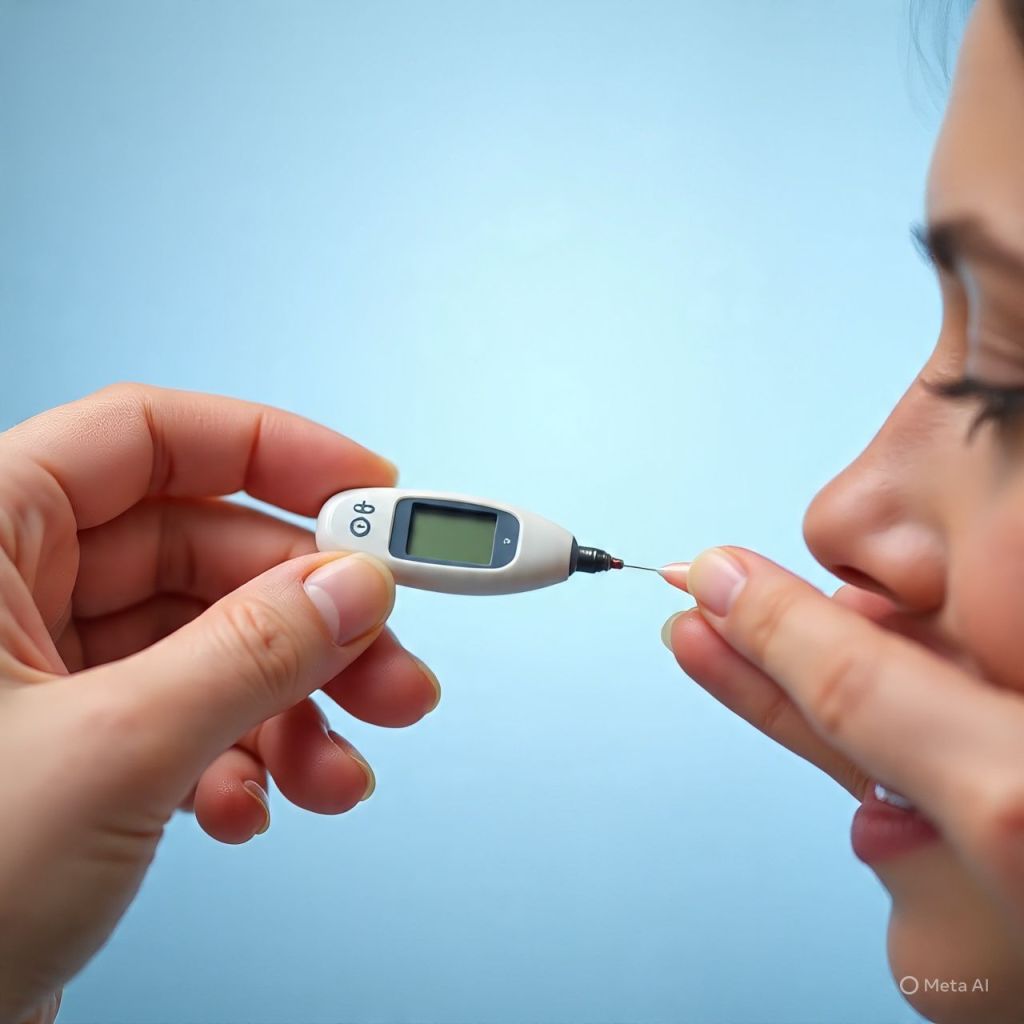
Have you ever wondered why your energy crashes after meals, why thirst feels unrelenting, or why your vision sometimes blurs? These aren’t random annoyances—they are messages from your body, telling you that something is out of balance. High blood sugar, or hyperglycemia, is not just a number on a glucose meter; it’s your body trying to speak. Understanding these signals can be the key to preventing serious complications and reclaiming your health.
In this article, we’ll explore what high blood sugar really means, how your body signals distress, and what you can do to listen and respond naturally.
Check Out ✔️ When The Body Speaks: The Herbal Path To True Healing
The Hidden Language of Your Body
Most of us think of blood sugar as a simple number: “normal,” “high,” or “low.” But your body doesn’t communicate in numbers—it communicates in sensations, changes, and subtle warnings. Every symptom, every unusual craving, every burst of fatigue is part of a conversation your body is having with you.
High blood sugar is your body’s way of saying:
- “I’m overloaded and struggling to process sugar.”
- “Your cells aren’t getting the energy they need.”
- “Something in your lifestyle, diet, or stress levels is out of balance.”
Ignoring these messages is like ignoring a warning light on your car. It may run for a while, but eventually, damage will occur if left unaddressed.
Check Out ✔️ Yes You Can: The New Year Reset
Common Signs Your Body Is Trying to Tell You Something
Recognizing these signals early can be life-changing. Here’s what to look out for:
1. Constant Fatigue
Feeling tired even after a full night’s sleep? High blood sugar can prevent glucose from entering your cells efficiently, leaving you low on energy. Your body is literally starving for usable fuel, and it’s asking for help.
2. Unquenchable Thirst and Frequent Urination
When sugar levels rise, your kidneys work overtime to filter it out, pulling water with it. This leads to frequent trips to the bathroom and persistent thirst—a clear cry from your body saying, “I need balance!”
3. Blurred Vision
High glucose levels can change the shape of the lens in your eye, affecting your ability to focus. Blurred vision is often an early warning sign of hyperglycemia that shouldn’t be ignored.
4. Slow Healing Wounds
If your cuts and bruises take longer to heal, it could be due to high blood sugar impairing circulation and immune response. Your body is signaling that cellular repair is being compromised.
5. Unexplained Hunger
Even after eating, you may feel ravenous. High blood sugar can prevent insulin from delivering glucose to your cells, tricking your body into thinking it’s starving.
Why High Blood Sugar Isn’t Just About Diabetes
Many people assume that high blood sugar only matters if you have diabetes. In reality, even slightly elevated blood sugar over time can signal metabolic stress, inflammation, and cellular dysfunction. This is your body’s way of sending an urgent message before chronic disease sets in.
Think of it as your body waving a red flag: “Attention! Something in your lifestyle or diet is pushing me past my limits.” Listening early means you can take steps to prevent diabetes, cardiovascular problems, and other complications.
How Lifestyle Choices Affect Your Body’s Message
Your body is an intelligent system. It responds to what you eat, how much you move, how well you sleep, and even how you handle stress. Let’s break down some common lifestyle factors that influence blood sugar:
Diet: Sugar and Processed Foods
Eating refined carbohydrates, sugary beverages, and processed snacks causes blood sugar spikes. Your body reacts by releasing insulin to manage these spikes. Over time, cells can become resistant to insulin, amplifying the signals your body sends: fatigue, hunger, and brain fog.
Physical Activity: Movement Matters
Exercise helps your cells use glucose efficiently. Without enough movement, blood sugar can remain elevated, and your body will continue signaling distress. Even moderate daily activity, like brisk walking or stretching, can make a huge difference.
Sleep and Stress: Hidden Triggers
Chronic stress and poor sleep increase cortisol levels, which can raise blood sugar. Your body signals distress through irritability, low energy, and cravings for quick sugar fixes.
Hydration: A Silent Communicator
Dehydration can amplify high blood sugar symptoms, making thirst and fatigue worse. Your body communicates its need for hydration in clear, but often overlooked, ways.
Listening to Your Body: A Holistic Approach
When your body is speaking through high blood sugar, you can respond effectively with a holistic approach. This means combining nutrition, lifestyle adjustments, and natural remedies to restore balance.
1. Balanced Diet for Steady Blood Sugar
- Focus on fiber-rich foods: Vegetables, legumes, and whole grains slow sugar absorption.
- Include healthy fats: Avocado, nuts, and olive oil reduce inflammation and improve insulin sensitivity.
- Prioritize protein: Lean protein stabilizes energy and curbs cravings.
- Avoid sugary drinks and snacks: Even occasional spikes can amplify your body’s distress signals.
2. Regular Physical Activity
- Start small: A 20-minute walk after meals can improve glucose utilization.
- Incorporate strength training: Building muscle helps your cells absorb sugar efficiently.
- Consistency over intensity: Regular, moderate activity beats sporadic intense workouts.
3. Stress Management and Sleep
- Practice mindfulness or meditation: Reduces cortisol and stabilizes blood sugar.
- Prioritize quality sleep: 7–9 hours per night supports metabolic health.
- Breathing exercises and gentle yoga: Calm the nervous system and improve glucose control.
4. Natural Remedies That Support the Body
Certain herbs and natural supplements can help your body regulate sugar:
- Cinnamon: Improves insulin sensitivity.
- Fenugreek seeds: Slow sugar absorption.
- Bitter melon: Mimics insulin effects naturally.
- Berberine: Supports glucose metabolism and liver function.
These remedies work best when combined with a healthy diet, exercise, and stress management—listening to your body’s overall message, not just treating symptoms.
The Power of Awareness: How Listening Transforms Health
The real transformation begins when you stop treating high blood sugar as an isolated problem and start seeing it as a message. This mindset shift changes everything:
- You begin to notice subtle signals before they escalate into disease.
- You take ownership of your lifestyle rather than relying solely on medications.
- You restore your body’s natural rhythm and balance.
Consider this: Every craving, fatigue, or blurred vision is an opportunity to learn what your body truly needs. Responding to these messages is the difference between chronic struggle and vibrant health.
Personal Stories: Real-Life Messages from the Body
Take Grace, for example, a 45-year-old teacher. She experienced constant fatigue and unquenchable thirst for months. Initially, she ignored the signs. But after a health check revealed elevated blood sugar, she changed her diet, added daily walks, and practiced meditation. Within three months, she reported:
- More stable energy levels
- Reduced cravings for sugar
- Clearer thinking and better mood
Her body’s early warnings were a gift, not a punishment—a message to take charge before complications developed.
Another story is David, a 52-year-old accountant. He had numbness in his feet and blurry vision. Instead of immediately taking medication, he worked with a nutritionist to overhaul his meals, started resistance training, and included cinnamon and bitter melon in his routine. Over time, his blood sugar stabilized, and he regained mobility and confidence.
Takeaways: Listening Is the First Step
High blood sugar is not your enemy—it’s your body’s messenger. Ignoring these signals can lead to serious complications, but paying attention opens the door to profound health transformation.
Key actions to take:
- Recognize your body’s signals: Fatigue, thirst, blurred vision, cravings, slow healing.
- Adjust your lifestyle: Balanced diet, exercise, hydration, sleep, stress management.
- Support naturally: Herbs and supplements can help—but always in combination with lifestyle.
- Stay proactive: Regular monitoring and self-awareness prevent escalation.
By treating high blood sugar as a conversation rather than a curse, you empower yourself to respond intelligently, restore balance, and reclaim your energy and vitality. Your body is speaking—are you ready to listen?
Conclusion
High blood sugar is a message, not a mistake. Your body communicates through symptoms, energy levels, cravings, and sensations. By tuning in, adjusting your lifestyle, and embracing natural support, you can not only lower blood sugar but also transform your relationship with your health. Start listening today—your body’s voice is more powerful than any number on a glucose meter.
- From Awareness to Action: How to Turn What You Know Into Real Health, Freedom, and Results|When The Body Speaks Online 📖Writer: Alfred Okoko, Founder of the Natural Remission Protocol.“I help people reverse chronic conditions naturally and reclaim their health.” Discover how to turn awareness into action with simple daily habits that support real health, freedom, and clarity. Learn how to stop overthinking and start living intentionally. Introduction Awareness is powerful. It opens your eyes.It changes… Read more: From Awareness to Action: How to Turn What You Know Into Real Health, Freedom, and Results|When The Body Speaks Online 📖
- Common Mistakes People Make When Trying to Heal Naturally (And How to Avoid Them)|When The Body Speaks Online 📖Writer: Alfred Okoko, Founder of the Natural Remission Protocols“I help people reverse chronic conditions naturally and reclaim their health.” Avoid the most common mistakes people make when trying to heal naturally—learn what slows progress and how to achieve real, lasting results. Introduction Natural healing is powerful. It’s helped countless people reduce symptoms, regain energy, and… Read more: Common Mistakes People Make When Trying to Heal Naturally (And How to Avoid Them)|When The Body Speaks Online 📖
- Erectile Dysfunction Home Remedies: Supporting Circulation, Confidence, and Whole-Body Health|When The Body Speaks Online 📖Discover supportive home remedies for erectile dysfunction that focus on circulation, stress reduction, and whole-body health. Natural strategies inspired by When The Body Speaks. Introduction Erectile dysfunction (ED) is often discussed only in physical terms, yet it is closely connected to circulation, stress levels, emotional wellbeing, energy balance, and lifestyle patterns. For many men, changes… Read more: Erectile Dysfunction Home Remedies: Supporting Circulation, Confidence, and Whole-Body Health|When The Body Speaks Online 📖
- Psychoneuroimmunology: How Thoughts and Emotions Influence the Immune System and Healing|When The Body Speaks Online 📖Writer: Alfred Okoko, Founder of the Natural Remission Protocols“I help people reverse chronic conditions naturally and reclaim their health.” Discover how psychoneuroimmunology reveals the powerful connection between the mind and immune system. Learn how thoughts, emotions, and stress hormones influence inflammation, healing, and recovery. Introduction For many years, medicine treated the mind and body as… Read more: Psychoneuroimmunology: How Thoughts and Emotions Influence the Immune System and Healing|When The Body Speaks Online 📖
- Belief Does Not Cure Disease—But It Can Open the Door to Healing|When The Body Speaks Online 📖Writer: Alfred Okoko, Founder of the Natural Remission Protocols“I help people reverse chronic conditions naturally and reclaim their health.” Belief alone may not cure disease, but it can powerfully influence healing. Discover how mindset, hope, and emotional resilience support the body’s natural recovery process. Introduction In the world of health and wellness, there are two… Read more: Belief Does Not Cure Disease—But It Can Open the Door to Healing|When The Body Speaks Online 📖
 When The Body Speaks Online