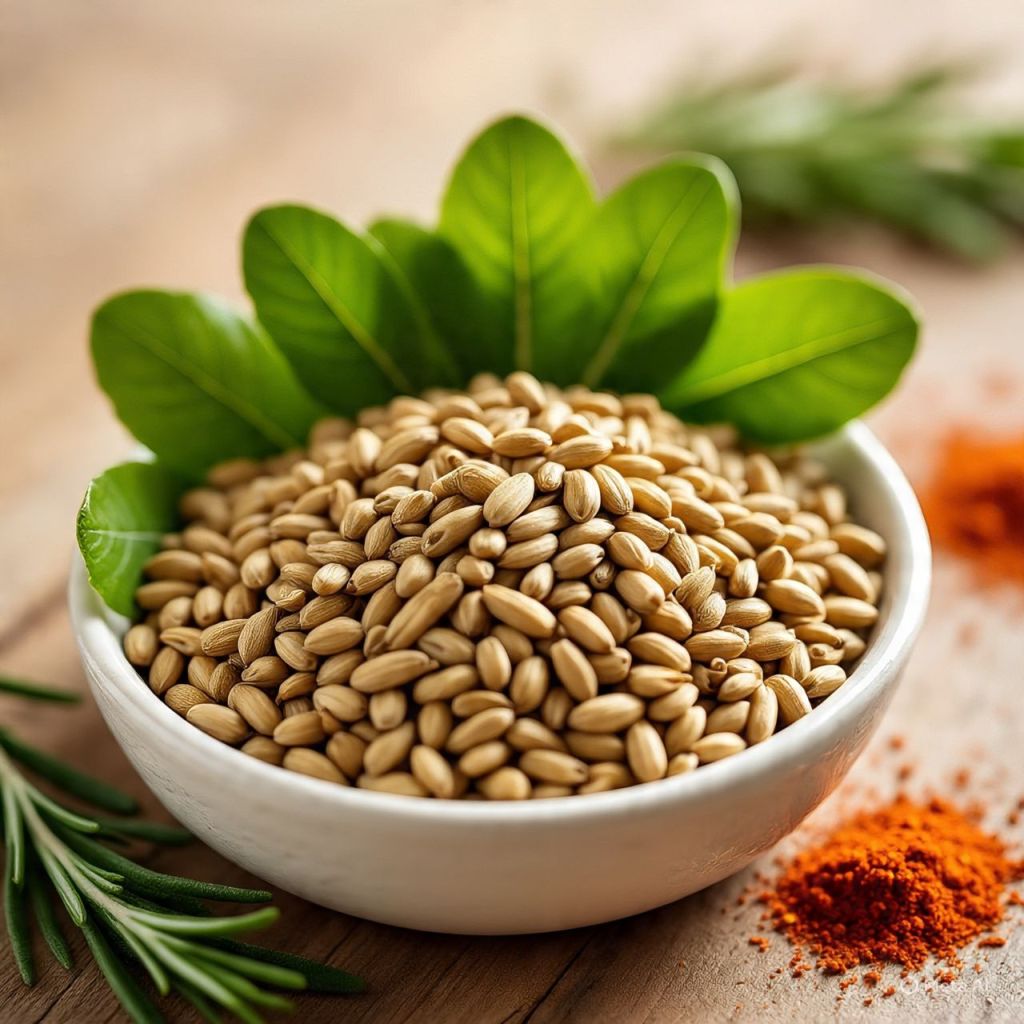
Discover how fenugreek seeds and leaves support peptic ulcer healing naturally. Inspired by When The Body Speaks, learn how this soothing herb protects the stomach lining, reduces inflammation, and promotes digestive repair.
Introduction
When a Humble Herb Becomes Gentle Medicine
Sometimes healing comes from the simplest sources. Fenugreek—known in many kitchens as a flavorful spice and leafy green—is also a powerful natural ally for stomach healing.
In the philosophy of When The Body Speaks, plants that soothe, protect, and nourish are not random remedies. They are part of a dialogue between nature and the body’s need for repair.
Fenugreek seeds and leaves offer comfort to an irritated stomach, creating conditions where ulcers can calm and heal.
Understanding Fenugreek’s Healing Nature
Fenugreek (Trigonella foenum-graecum) has been used for centuries in traditional healing systems for digestive comfort. Its benefits for peptic ulcers come from its unique composition:
- Mucilage compounds that form a soothing protective layer
- Anti-inflammatory properties that calm irritation
- Antioxidants that support tissue repair
- Gentle fiber that supports digestive balance
This combination helps protect the stomach lining from excess acid and irritation.
Fenugreek Seeds: Protective and Soothing
Fenugreek seeds become soft and gel-like when soaked. This natural gel acts like a protective coating for the stomach lining.
How Seeds Support Ulcer Healing
- Create a barrier against stomach acid
- Reduce burning sensations
- Support regeneration of damaged tissue
- Promote smoother digestion
How to Use Fenugreek Seeds
Soaked Fenugreek Water
- Soak 1 teaspoon of fenugreek seeds overnight in warm water.
- Drink the water in the morning.
- Chew softened seeds if tolerated.
Fenugreek Tea
- Boil 1 teaspoon seeds in 1 cup water for 5–7 minutes.
- Strain and drink warm.
- Consume once daily or as tolerated.
Gentle use is key—more is not better.
Fenugreek Leaves: Nourishing and Anti-Inflammatory
Fenugreek leaves (often called methi) provide nutritional support that complements the seeds’ soothing action.
How Leaves Support Healing
- Provide vitamins and minerals for tissue repair
- Reduce inflammation in the digestive tract
- Support gut microbiome balance
- Offer gentle nourishment without irritation
How to Include Fenugreek Leaves
- Add lightly cooked leaves to soups or soft vegetable dishes
- Prepare mild fenugreek leaf tea
- Combine with gentle grains like rice or quinoa
Cooking leaves until soft makes them easier on the stomach.
When Fenugreek Works Best
Fenugreek is most supportive when combined with:
- Soft, anti-inflammatory foods
- Mindful eating habits
- Stress management practices
- Adequate hydration
- Gentle lifestyle adjustments
It works not as a cure, but as a supportive partner in healing.
Safety and Precautions
- Start with small amounts to assess tolerance
- Avoid excessive intake to prevent digestive discomfort
- Consult a healthcare professional if pregnant, on medication, or experiencing severe symptoms
- Seek medical attention for bleeding, severe pain, or persistent symptoms
Natural support should always be safe and attentive.
Listening to Your Body
When ulcers are present, your stomach is asking for protection and calm. Fenugreek offers a response that is gentle and supportive.
In When The Body Speaks:
Healing often arrives quietly—in warm tea, soft nourishment, and the wisdom of simple plants.
Final Reflection
Fenugreek seeds soothe.
Fenugreek leaves nourish.
Together, they create an environment where your stomach can rest, repair, and regain balance.
By listening carefully and responding gently, you turn everyday nourishment into a meaningful act of healing.
- From Awareness to Action: How to Turn What You Know Into Real Health, Freedom, and Results|When The Body Speaks Online 📖Writer: Alfred Okoko, Founder of the Natural Remission Protocol.“I help people reverse chronic conditions naturally and reclaim their health.” Discover how to turn awareness into action with simple daily habits that support real health, freedom, and clarity. Learn how to stop overthinking and start living intentionally. Introduction Awareness is powerful. It opens your eyes.It changes… Read more: From Awareness to Action: How to Turn What You Know Into Real Health, Freedom, and Results|When The Body Speaks Online 📖
- Common Mistakes People Make When Trying to Heal Naturally (And How to Avoid Them)|When The Body Speaks Online 📖Writer: Alfred Okoko, Founder of the Natural Remission Protocols“I help people reverse chronic conditions naturally and reclaim their health.” Avoid the most common mistakes people make when trying to heal naturally—learn what slows progress and how to achieve real, lasting results. Introduction Natural healing is powerful. It’s helped countless people reduce symptoms, regain energy, and… Read more: Common Mistakes People Make When Trying to Heal Naturally (And How to Avoid Them)|When The Body Speaks Online 📖
- Erectile Dysfunction Home Remedies: Supporting Circulation, Confidence, and Whole-Body Health|When The Body Speaks Online 📖Discover supportive home remedies for erectile dysfunction that focus on circulation, stress reduction, and whole-body health. Natural strategies inspired by When The Body Speaks. Introduction Erectile dysfunction (ED) is often discussed only in physical terms, yet it is closely connected to circulation, stress levels, emotional wellbeing, energy balance, and lifestyle patterns. For many men, changes… Read more: Erectile Dysfunction Home Remedies: Supporting Circulation, Confidence, and Whole-Body Health|When The Body Speaks Online 📖
- Psychoneuroimmunology: How Thoughts and Emotions Influence the Immune System and Healing|When The Body Speaks Online 📖Writer: Alfred Okoko, Founder of the Natural Remission Protocols“I help people reverse chronic conditions naturally and reclaim their health.” Discover how psychoneuroimmunology reveals the powerful connection between the mind and immune system. Learn how thoughts, emotions, and stress hormones influence inflammation, healing, and recovery. Introduction For many years, medicine treated the mind and body as… Read more: Psychoneuroimmunology: How Thoughts and Emotions Influence the Immune System and Healing|When The Body Speaks Online 📖
- Belief Does Not Cure Disease—But It Can Open the Door to Healing|When The Body Speaks Online 📖Writer: Alfred Okoko, Founder of the Natural Remission Protocols“I help people reverse chronic conditions naturally and reclaim their health.” Belief alone may not cure disease, but it can powerfully influence healing. Discover how mindset, hope, and emotional resilience support the body’s natural recovery process. Introduction In the world of health and wellness, there are two… Read more: Belief Does Not Cure Disease—But It Can Open the Door to Healing|When The Body Speaks Online 📖
 When The Body Speaks Online