Writer: Alfred Okoko, Founder of the Natural Remission Protocols
“I help people reverse chronic conditions naturally and reclaim their health.”
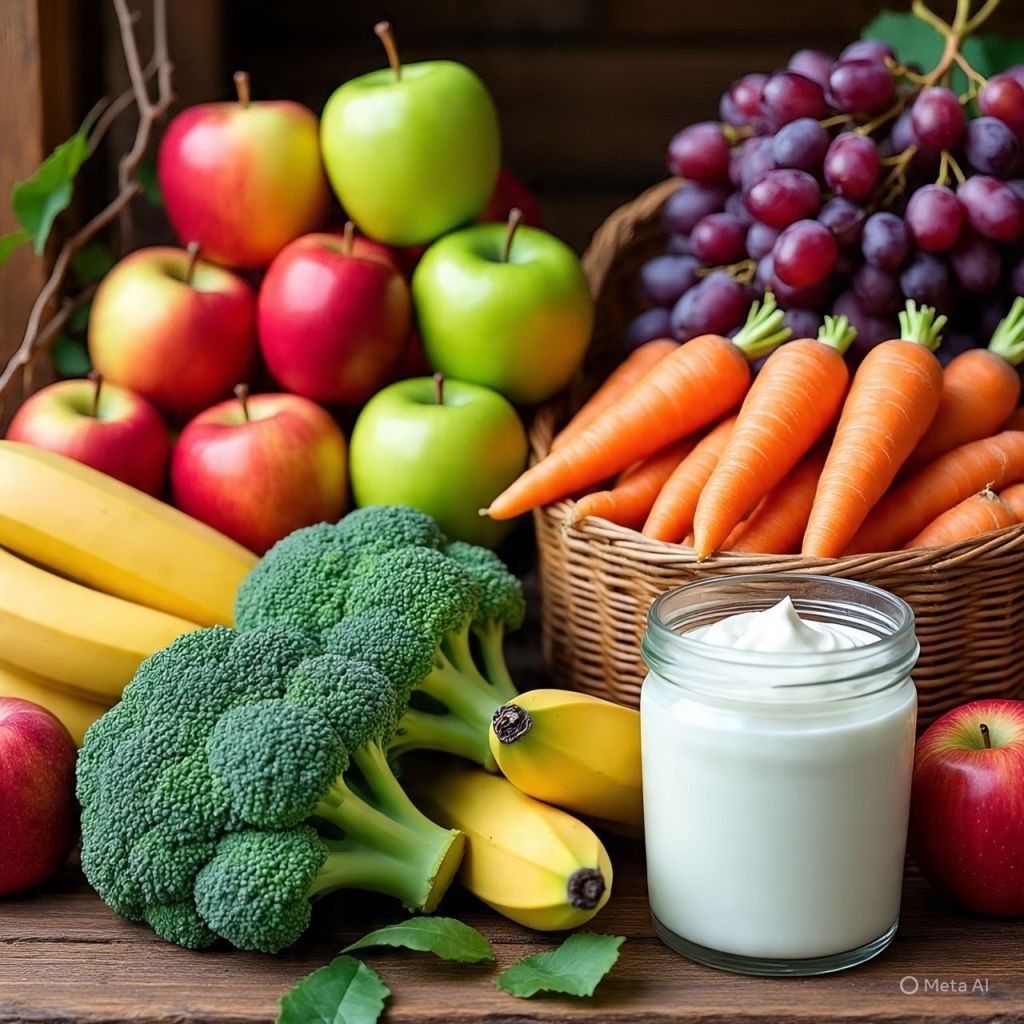
Eating for ulcer healing goes beyond avoiding acid. Learn which foods support stomach repair, which irritate, and why dietary choices play a crucial role in recovery and digestive health.
Introduction
Peptic ulcers are not just about stomach acid or occasional pain — they are a signal from your body that your digestive lining is under stress, inflamed, or compromised. While medications can help manage symptoms, diet plays a critical role in supporting healing, reducing irritation, and protecting the stomach lining.
Understanding what to eat, what to avoid, and why allows you to respond to your body’s signals, prevent flare-ups, and support long-term digestive wellness.
Why Diet Matters for Ulcer Healing
The stomach lining protects itself from acid and digestive enzymes through mucus, bicarbonate, and blood flow. When these protective mechanisms weaken, ulcers develop. Diet affects:
- Inflammation – Certain foods can exacerbate inflammation, while others reduce it
- Healing capacity – Nutrients like glutamine, zinc, and antioxidants support tissue repair
- Gut microbiota balance – Beneficial bacteria help inhibit H. pylori and support immunity
- Acid and irritation levels – Meal composition and timing influence acid exposure
Eating with intention is not just about comfort — it’s about giving your body what it needs to heal.
Foods That Support Ulcer Healing
1. Vegetables and Leafy Greens
- Spinach, kale, broccoli, zucchini, and carrots
- Rich in antioxidants, polyphenols, and fiber to reduce inflammation and support tissue repair
Tip: Lightly steam or sauté to reduce stomach stress.
2. Fruits That Soothe
- Bananas, apples, blueberries, and cranberries
- Provide antioxidants and are gentle on the stomach lining
- Avoid overly acidic fruits like citrus if sensitive
3. Whole Grains
- Oats, brown rice, quinoa, and barley
- Provide soluble fiber that nourishes gut bacteria and regulates digestion
4. Lean Proteins
- Fish, poultry, eggs, and legumes
- Supply amino acids critical for tissue repair and mucosal healing
5. Healthy Fats
- Olive oil, avocado, chia seeds, flaxseeds, and walnuts
- Anti-inflammatory fats support overall gut health
6. Soothing and Protective Foods
- Cabbage (rich in glutamine), aloe vera, and deglycyrrhizinated licorice (DGL)
- Promote mucus production and help repair the stomach lining
7. Probiotic and Fermented Foods
- Yogurt, kefir, kimchi, and sauerkraut
- Restore gut balance, inhibit H. pylori growth, and enhance immunity
8. Herbal Teas
- Chamomile, slippery elm, and ginger teas
- Reduce inflammation and calm the digestive system
Foods and Habits to Avoid
Even “healthy” foods can irritate the stomach lining if eaten incorrectly or in excess. Avoid or limit:
- Spicy and heavily seasoned foods
- Alcohol and caffeine
- Fried, greasy, or processed foods
- Acidic foods like tomatoes and citrus if sensitive
- Large, irregular meals that overstimulate acid production
Tip: Pay attention to your body’s response and adjust accordingly.
Meal Structure for Ulcer Healing
- Small, frequent meals: Reduce acid spikes and stress on the stomach
- Balanced plates: Include vegetables, lean protein, healthy fats, and fiber
- Hydration: Water and soothing herbal teas support tissue repair
- Mindful eating: Slow, intentional meals reduce overproduction of acid and stress on the gut
Lifestyle Practices That Enhance Dietary Healing
- Stress management: Meditation, deep breathing, yoga
- Regular sleep: Supports hormone balance and tissue repair
- Gentle exercise: Improves circulation and digestion
- Medical guidance: Test for H. pylori, monitor for complications, and follow prescribed treatments
Closing Reflection
Eating for ulcer healing is more than avoiding acid — it’s about nourishing the stomach lining, reducing inflammation, and supporting your body’s natural repair processes.
By focusing on vegetables, fruits, whole grains, lean proteins, healthy fats, probiotics, and soothing foods — while avoiding irritants and managing stress — you create the conditions for your ulcers to heal effectively.
Your body is communicating through pain, discomfort, and digestive changes. Listening and responding through diet transforms these signals into a roadmap for healing, comfort, and long-term digestive wellness.
- From Awareness to Action: How to Turn What You Know Into Real Health, Freedom, and Results|When The Body Speaks Online 📖Writer: Alfred Okoko, Founder of the Natural Remission Protocol.“I help people reverse chronic conditions naturally and reclaim their health.” Discover how to turn awareness into action with simple daily habits that support real health, freedom, and clarity. Learn how to stop overthinking and start living intentionally. Introduction Awareness is powerful. It opens your eyes.It changes… Read more: From Awareness to Action: How to Turn What You Know Into Real Health, Freedom, and Results|When The Body Speaks Online 📖
- Common Mistakes People Make When Trying to Heal Naturally (And How to Avoid Them)|When The Body Speaks Online 📖Writer: Alfred Okoko, Founder of the Natural Remission Protocols“I help people reverse chronic conditions naturally and reclaim their health.” Avoid the most common mistakes people make when trying to heal naturally—learn what slows progress and how to achieve real, lasting results. Introduction Natural healing is powerful. It’s helped countless people reduce symptoms, regain energy, and… Read more: Common Mistakes People Make When Trying to Heal Naturally (And How to Avoid Them)|When The Body Speaks Online 📖
- Erectile Dysfunction Home Remedies: Supporting Circulation, Confidence, and Whole-Body Health|When The Body Speaks Online 📖Discover supportive home remedies for erectile dysfunction that focus on circulation, stress reduction, and whole-body health. Natural strategies inspired by When The Body Speaks. Introduction Erectile dysfunction (ED) is often discussed only in physical terms, yet it is closely connected to circulation, stress levels, emotional wellbeing, energy balance, and lifestyle patterns. For many men, changes… Read more: Erectile Dysfunction Home Remedies: Supporting Circulation, Confidence, and Whole-Body Health|When The Body Speaks Online 📖
- Psychoneuroimmunology: How Thoughts and Emotions Influence the Immune System and Healing|When The Body Speaks Online 📖Writer: Alfred Okoko, Founder of the Natural Remission Protocols“I help people reverse chronic conditions naturally and reclaim their health.” Discover how psychoneuroimmunology reveals the powerful connection between the mind and immune system. Learn how thoughts, emotions, and stress hormones influence inflammation, healing, and recovery. Introduction For many years, medicine treated the mind and body as… Read more: Psychoneuroimmunology: How Thoughts and Emotions Influence the Immune System and Healing|When The Body Speaks Online 📖
- Belief Does Not Cure Disease—But It Can Open the Door to Healing|When The Body Speaks Online 📖Writer: Alfred Okoko, Founder of the Natural Remission Protocols“I help people reverse chronic conditions naturally and reclaim their health.” Belief alone may not cure disease, but it can powerfully influence healing. Discover how mindset, hope, and emotional resilience support the body’s natural recovery process. Introduction In the world of health and wellness, there are two… Read more: Belief Does Not Cure Disease—But It Can Open the Door to Healing|When The Body Speaks Online 📖
 When The Body Speaks Online