Writer: Alfred Okoko, Founder of the Natural Remission Protocols
“I help people reverse chronic conditions naturally and reclaim their health.”
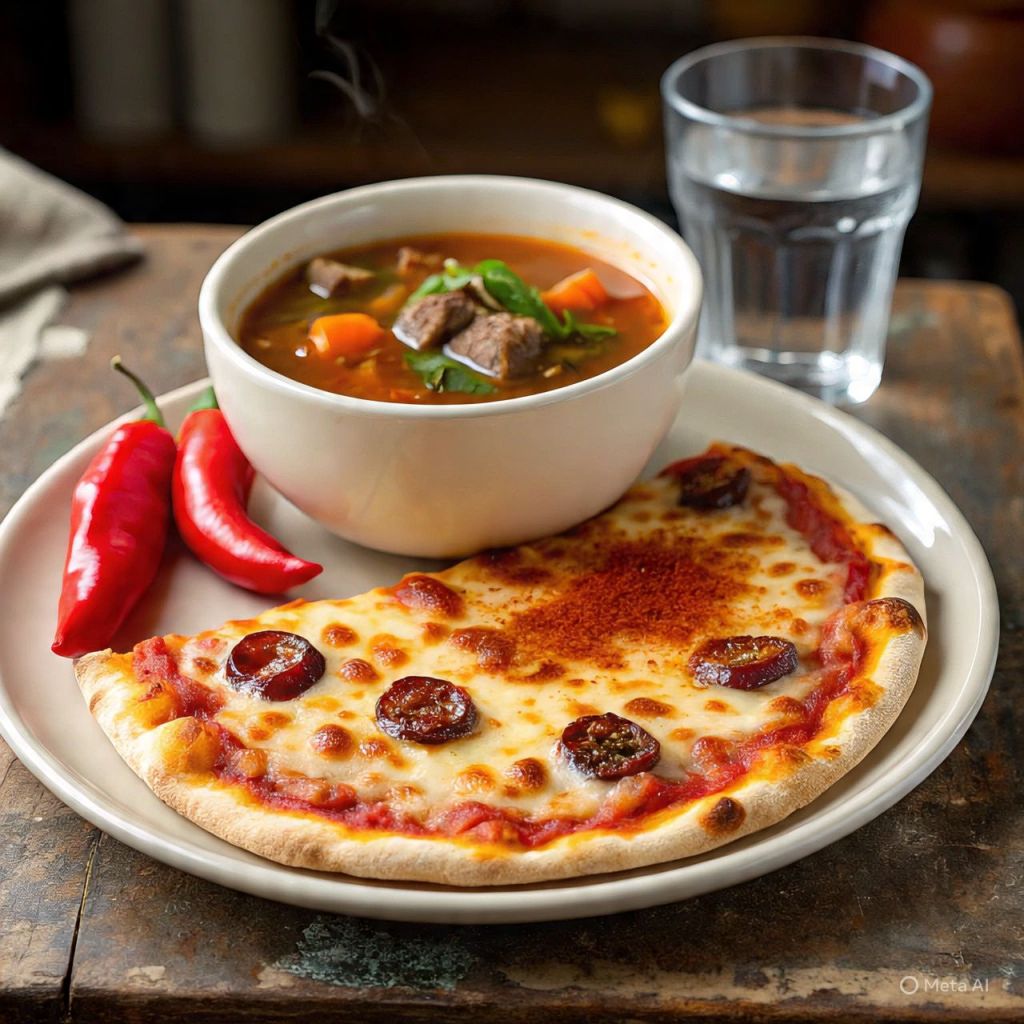
Certain foods can aggravate peptic ulcers and slow healing. Learn which foods to avoid, how they affect the stomach lining, and strategies to protect digestive health naturally.
Introduction
Peptic ulcers are more than a painful digestive problem — they are messages from your body signaling inflammation, infection, or weakened protective mechanisms in your stomach or duodenum. While some foods can support healing, others can aggravate ulcers, increase irritation, and slow recovery.
Understanding which foods to avoid — and why — helps you protect your stomach lining, reduce flare-ups, and give your body the best chance to heal naturally.
Why Certain Foods Worsen Ulcers
The stomach lining relies on mucus, bicarbonate, and healthy blood flow to defend against acid and irritation. Some foods:
- Stimulate excess acid production
- Irritate the mucosal lining directly
- Promote inflammation or oxidative stress
- Disrupt gut balance and delay tissue repair
Even small amounts of these trigger foods can prolong discomfort and slow recovery, making ulcer management more difficult.
Top Foods That Aggravate Ulcers
1. Spicy Foods
- Chili peppers, hot sauces, and heavily spiced dishes can irritate the stomach lining, increasing burning sensations.
- While not a direct cause of ulcers, they can exacerbate symptoms and delay healing.
Tip: Limit or avoid spicy meals until the ulcer is healed.
2. Acidic Foods and Drinks
- Citrus fruits (oranges, lemons, grapefruits)
- Tomatoes and tomato-based sauces
- Vinegar-based foods
These foods may increase stomach irritation in sensitive individuals, particularly during flare-ups.
3. Fried and Fatty Foods
- Deep-fried items, fast food, and heavy sauces can slow digestion and increase stomach stress.
- High-fat meals may stimulate excess acid production and discomfort.
Tip: Opt for lightly cooked, easily digestible meals with healthy fats like olive oil or avocado.
4. Caffeinated Beverages
- Coffee, black tea, energy drinks, and some sodas may increase acid secretion and irritate the ulcer.
- Even decaf may sometimes trigger discomfort in sensitive individuals.
Tip: Reduce intake gradually and observe your body’s response.
5. Alcohol
- Alcohol irritates the stomach lining and interferes with mucus production, slowing healing.
- It can also worsen H. pylori-related ulcers by promoting inflammation.
Tip: Avoid alcohol entirely during active ulcer healing.
6. Carbonated Beverages
- Soda and sparkling water can increase bloating and pressure on the stomach lining.
- Combined with caffeine or sugar, they may exacerbate irritation.
7. Highly Processed or Sugary Foods
- Pastries, candies, processed snacks, and refined carbohydrates can trigger inflammation and disturb gut microbiota.
- These foods may indirectly impair the body’s healing mechanisms.
How Foods Affect Ulcer Healing
- Irritation of the Mucosal Lining – Spices, acid, and alcohol can directly damage the protective barrier.
- Increased Acid Production – Caffeine, fatty foods, and certain beverages may stimulate additional acid, increasing pain.
- Inflammation – Processed foods and sugar amplify inflammation, slowing tissue repair.
- Delayed Recovery – Chronic irritation prevents proper regeneration of the stomach lining.
Strategies to Protect Your Stomach
Listening to Your Body
Ulcers are communications from your digestive system. Pain, burning, bloating, or nausea often indicate that protective mechanisms are compromised. Avoiding aggravating foods reduces irritation and allows your stomach lining to repair efficiently.
Your body responds best when you combine dietary care, lifestyle adjustments, and stress management with medical guidance when needed.
Closing Reflection
Healing a peptic ulcer is not just about reducing stomach acid — it’s about protecting and nourishing the stomach lining. Avoiding foods that irritate the mucosa, increase inflammation, or trigger excess acid is essential for recovery.
By paying attention to what aggravates your ulcer, you give your body the environment it needs to heal, restore balance, and prevent future flare-ups. Listening to your digestive system turns discomfort into insight, guiding you toward long-term gut health.
- From Awareness to Action: How to Turn What You Know Into Real Health, Freedom, and Results|When The Body Speaks Online 📖Writer: Alfred Okoko, Founder of the Natural Remission Protocol.“I help people reverse chronic conditions naturally and reclaim their health.” Discover how to turn awareness into action with simple daily habits that support real health, freedom, and clarity. Learn how to stop overthinking and start living intentionally. Introduction Awareness is powerful. It opens your eyes.It changes… Read more: From Awareness to Action: How to Turn What You Know Into Real Health, Freedom, and Results|When The Body Speaks Online 📖
- Common Mistakes People Make When Trying to Heal Naturally (And How to Avoid Them)|When The Body Speaks Online 📖Writer: Alfred Okoko, Founder of the Natural Remission Protocols“I help people reverse chronic conditions naturally and reclaim their health.” Avoid the most common mistakes people make when trying to heal naturally—learn what slows progress and how to achieve real, lasting results. Introduction Natural healing is powerful. It’s helped countless people reduce symptoms, regain energy, and… Read more: Common Mistakes People Make When Trying to Heal Naturally (And How to Avoid Them)|When The Body Speaks Online 📖
- Erectile Dysfunction Home Remedies: Supporting Circulation, Confidence, and Whole-Body Health|When The Body Speaks Online 📖Discover supportive home remedies for erectile dysfunction that focus on circulation, stress reduction, and whole-body health. Natural strategies inspired by When The Body Speaks. Introduction Erectile dysfunction (ED) is often discussed only in physical terms, yet it is closely connected to circulation, stress levels, emotional wellbeing, energy balance, and lifestyle patterns. For many men, changes… Read more: Erectile Dysfunction Home Remedies: Supporting Circulation, Confidence, and Whole-Body Health|When The Body Speaks Online 📖
- Psychoneuroimmunology: How Thoughts and Emotions Influence the Immune System and Healing|When The Body Speaks Online 📖Writer: Alfred Okoko, Founder of the Natural Remission Protocols“I help people reverse chronic conditions naturally and reclaim their health.” Discover how psychoneuroimmunology reveals the powerful connection between the mind and immune system. Learn how thoughts, emotions, and stress hormones influence inflammation, healing, and recovery. Introduction For many years, medicine treated the mind and body as… Read more: Psychoneuroimmunology: How Thoughts and Emotions Influence the Immune System and Healing|When The Body Speaks Online 📖
- Belief Does Not Cure Disease—But It Can Open the Door to Healing|When The Body Speaks Online 📖Writer: Alfred Okoko, Founder of the Natural Remission Protocols“I help people reverse chronic conditions naturally and reclaim their health.” Belief alone may not cure disease, but it can powerfully influence healing. Discover how mindset, hope, and emotional resilience support the body’s natural recovery process. Introduction In the world of health and wellness, there are two… Read more: Belief Does Not Cure Disease—But It Can Open the Door to Healing|When The Body Speaks Online 📖
 When The Body Speaks Online