Writer: Alfred Okoko, Founder of the Natural Remission Protocols
“I help people reverse chronic conditions naturally and reclaim their health.”
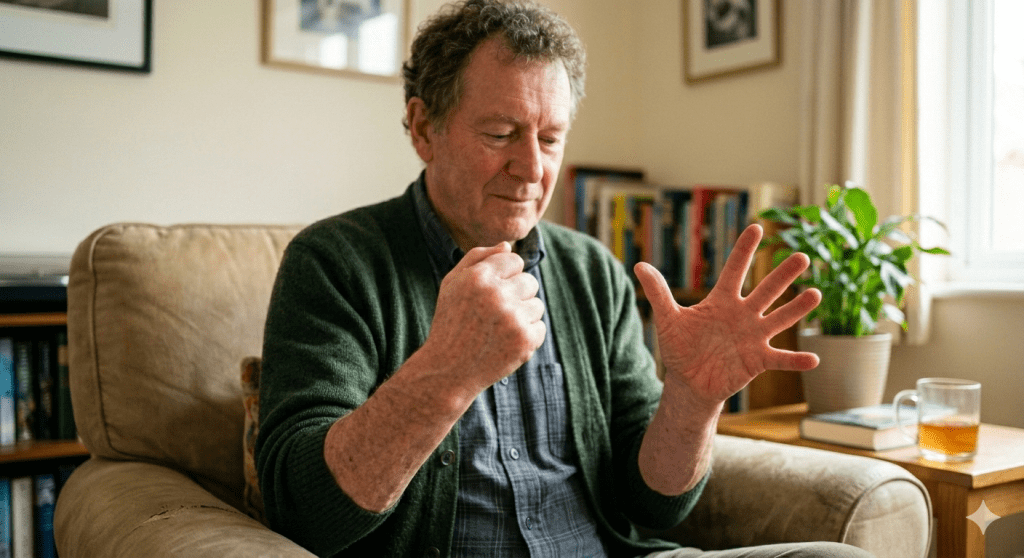
Belief alone may not cure disease, but it can powerfully influence healing. Discover how mindset, hope, and emotional resilience support the body’s natural recovery process.
Introduction
In the world of health and wellness, there are two extremes that often dominate the conversation.
One side believes that mindset alone can cure any illness. The other insists that belief has absolutely no role in healing.
The truth, as it often does, lies somewhere in the middle.
Belief does not cure disease—but it can open the door to healing.
This statement carries an important nuance. Diseases are complex biological processes. They involve cells, tissues, genetics, pathogens, inflammation, environmental exposures, and countless physiological factors.
Yet the human body is not just a machine of organs and chemicals. It is deeply influenced by the mind, emotions, expectations, and perception of hope.
Belief doesn’t replace medical care. It doesn’t magically erase illness. But it activates powerful internal systems that can support recovery, resilience, and wellbeing.
Understanding this relationship may change how you approach health forever.
Let’s explore why belief matters more than most people realize.
The Missing Ingredient in Many Healing Journeys
Imagine two people diagnosed with the same condition.
Both receive similar treatment. Both have access to medical care. Both follow similar protocols.
But their internal responses are completely different.
One person thinks:
- “My body is broken.”
- “Nothing will help.”
- “This disease will destroy me.”
The other person believes:
- “My body still has healing ability.”
- “Recovery is possible.”
- “I will do everything I can to support my health.”
Their biology does not instantly change because of belief.
But their behavior, resilience, stress response, and healing environment often do.
And those differences can influence outcomes.
Belief shapes:
- Motivation to follow treatment
- Willingness to adopt healthier habits
- Stress hormone levels
- Sleep quality
- Emotional resilience
- Social connection
- Long-term health behaviors
In other words, belief changes the conditions in which healing occurs.
And conditions matter.
The Mind–Body Connection Is Real
For decades, scientists dismissed the idea that the mind could influence physical health.
Today, entire fields such as psychoneuroimmunology study how thoughts and emotions affect the immune system and healing processes.
Research has shown that mental states influence:
- Immune function
- Inflammation levels
- Hormone balance
- Pain perception
- Recovery speed
When someone lives in chronic fear, hopelessness, or stress, the body often produces higher levels of cortisol and stress hormones.
These hormones can:
- Suppress immune activity
- Increase inflammation
- Disrupt sleep
- Slow recovery
On the other hand, positive emotional states—such as hope, optimism, and calm—can support healthier physiological responses.
Belief becomes a gateway to these beneficial states.
It doesn’t cure disease directly.
But it helps create a biological environment where healing becomes more possible.
Why Hope Is a Biological Force
Hope is often dismissed as something emotional or psychological.
But hope can influence biology in surprising ways.
People who maintain hope during illness often:
- Stick to treatment plans longer
- Maintain healthier routines
- Experience lower levels of chronic stress
- Stay socially connected
- Maintain motivation to recover
Hope keeps people engaged in their healing journey.
Without hope, many people unconsciously give up.
They skip treatments.
They stop exercising.
They isolate themselves.
They lose the energy to care for their bodies.
In this way, belief acts like fuel for the healing process.
It keeps the engine running.
The Placebo Effect: Proof That Belief Changes the Body
One of the most fascinating demonstrations of belief’s power is the placebo effect.
In medical studies, some participants receive a treatment with no active ingredient.
Yet many still experience real improvements.
Pain decreases.
Symptoms improve.
Recovery accelerates.
How?
Because the brain expects healing.
That expectation can trigger measurable physiological changes such as:
- Endorphin release
- Dopamine activation
- Pain modulation
- Nervous system shifts
This does not mean belief cures serious disease.
But it clearly demonstrates something profound:
The brain can influence the body in powerful ways.
Belief activates internal mechanisms that medicine is still trying to fully understand.
Healing Is More Than Removing Disease
When people hear the word “healing,” they often think only about eliminating illness.
But healing is broader than that.
Healing can include:
- Reducing suffering
- Improving quality of life
- Restoring emotional balance
- Regaining strength and energy
- Supporting the body’s repair processes
- Finding meaning during adversity
A person may still have a disease yet experience profound healing in their body and life.
Belief often plays a central role in this transformation.
It opens the door to:
- resilience
- courage
- lifestyle change
- emotional recovery
- renewed purpose
Healing is not always about perfect health.
Sometimes it’s about restoring wholeness.
Belief Encourages Health-Supporting Behaviors
One of the most practical benefits of belief is how it influences behavior.
When someone believes their actions matter, they are more likely to:
- Eat nourishing foods
- Stay physically active
- prioritize sleep
- manage stress
- follow medical guidance
- build supportive relationships
These behaviors strongly influence health outcomes.
Without belief, motivation collapses.
A person who thinks nothing will help often stops trying.
Belief creates the psychological energy required to maintain healthy habits long enough to see results.
Stress, Fear, and the Healing Barrier
Fear is one of the most powerful barriers to healing.
Serious illness naturally creates fear.
But chronic fear can trap the body in a prolonged stress response.
When the nervous system remains in fight-or-flight mode for extended periods, several things happen:
- inflammation increases
- immune defenses weaken
- sleep quality declines
- digestion suffers
- tissue repair slows
Belief helps calm this stress response.
It reassures the nervous system that recovery is possible.
Even small shifts in perception can help the body move from survival mode into rest-and-repair mode, where healing processes function more effectively.
The Emotional Side of Illness
Illness is rarely just physical.
Many people quietly experience:
- grief
- anger
- frustration
- loneliness
- anxiety
These emotional burdens can weigh heavily on the body.
Belief doesn’t erase these feelings, but it can help people navigate them with resilience.
When someone believes healing is still possible, they are more likely to:
- seek support
- talk openly about struggles
- engage in therapy or counseling
- build stronger relationships
Emotional healing often supports physical recovery.
The body and mind rarely operate separately.
The Role of Meaning in Healing
Many people who face serious health challenges report a surprising experience.
Their illness becomes a turning point.
It forces them to reevaluate:
- priorities
- relationships
- purpose
- lifestyle
Some discover deeper meaning in life.
Others develop new passions for helping people.
Some reconnect with spirituality or personal growth.
Belief helps people find meaning within adversity.
And meaning itself can become a powerful source of psychological strength.
People with a strong sense of purpose often demonstrate greater resilience during illness.
Realistic Belief vs. Magical Thinking
It’s important to clarify something.
Healthy belief is not the same as magical thinking.
Magical thinking says:
- “If I believe hard enough, disease will disappear.”
Healthy belief says:
- “My body has healing potential.”
- “Medical care and healthy habits can support recovery.”
- “I will give my body every possible advantage.”
The goal is empowered realism, not denial of medical reality.
Belief should complement:
- medical treatment
- evidence-based care
- healthy lifestyle choices
- emotional support
Healing works best when mindset and medicine cooperate.
Practical Ways to Cultivate Healing Belief
Belief is not something you either have or don’t have.
It can be strengthened.
Here are several ways to nurture a healing mindset.
1. Focus on Possibility
Even in serious illness, improvement is often possible.
Small improvements matter.
Celebrate progress rather than obsessing over limitations.
2. Surround Yourself With Support
Hope grows stronger when shared.
Friends, family, support groups, and caring professionals help reinforce belief.
3. Learn About the Body’s Healing Abilities
The human body is incredibly adaptive.
Learning about regeneration, immune defense, and recovery can strengthen trust in the body.
4. Reduce Fear-Driven Information Overload
Constant exposure to frightening health information can amplify anxiety.
Choose balanced, credible sources.
5. Practice Stress-Reduction Techniques
Activities like:
- meditation
- breathing exercises
- gentle movement
- time in nature
help calm the nervous system and support healing processes.
6. Maintain Purpose
Even during illness, meaningful activities can sustain hope and emotional wellbeing.
Purpose fuels belief.
Stories of Resilience
Across the world, countless people have demonstrated extraordinary resilience during illness.
Some recover unexpectedly.
Others adapt and live meaningful lives despite chronic conditions.
What many of these individuals share is not denial of reality—but unwavering belief that their lives still hold value and possibility.
That belief motivates them to:
- seek the best care
- nourish their bodies
- stay mentally strong
- support others facing similar struggles
Belief becomes the spark that keeps the healing journey alive.
Healing Is a Partnership
True healing rarely comes from a single source.
It usually involves a partnership between:
- medicine
- lifestyle
- emotional health
- supportive relationships
- mindset
Belief plays a critical role within that partnership.
It aligns the mind with the goal of recovery.
It motivates action.
It reduces harmful stress.
It nurtures hope.
It strengthens resilience.
And sometimes, that combination creates outcomes that surprise even the experts.
A New Way to Think About Healing
The phrase “belief does not cure disease—but it can open the door to healing” invites a more balanced understanding of health.
Disease is biological.
But healing is biological, psychological, emotional, and social.
Belief does not replace treatment.
But without belief, many people never fully engage in the healing process.
Belief opens the door.
Action walks through it.
Support sustains the journey.
And the body—remarkably complex and adaptive—does the rest.
Final Thoughts
Healing is rarely a straight path.
There are setbacks, doubts, and difficult days.
But belief can serve as a quiet but powerful companion along the way.
It whispers:
- “Keep going.”
- “Your body still has strength.”
- “Your story is not finished.”
Belief alone may not cure disease.
But it can awaken courage, resilience, and hope.
And sometimes, those qualities become the very forces that help the body rediscover its path toward healing.
- From Awareness to Action: How to Turn What You Know Into Real Health, Freedom, and Results|When The Body Speaks Online 📖Writer: Alfred Okoko, Founder of the Natural Remission Protocol.“I help people reverse chronic conditions naturally and reclaim their health.” Discover how to turn awareness into action with simple daily habits that support real health, freedom, and clarity. Learn how to stop overthinking and start living intentionally. Introduction Awareness is powerful. It opens your eyes.It changes… Read more: From Awareness to Action: How to Turn What You Know Into Real Health, Freedom, and Results|When The Body Speaks Online 📖
- Common Mistakes People Make When Trying to Heal Naturally (And How to Avoid Them)|When The Body Speaks Online 📖Writer: Alfred Okoko, Founder of the Natural Remission Protocols“I help people reverse chronic conditions naturally and reclaim their health.” Avoid the most common mistakes people make when trying to heal naturally—learn what slows progress and how to achieve real, lasting results. Introduction Natural healing is powerful. It’s helped countless people reduce symptoms, regain energy, and… Read more: Common Mistakes People Make When Trying to Heal Naturally (And How to Avoid Them)|When The Body Speaks Online 📖
- Erectile Dysfunction Home Remedies: Supporting Circulation, Confidence, and Whole-Body Health|When The Body Speaks Online 📖Discover supportive home remedies for erectile dysfunction that focus on circulation, stress reduction, and whole-body health. Natural strategies inspired by When The Body Speaks. Introduction Erectile dysfunction (ED) is often discussed only in physical terms, yet it is closely connected to circulation, stress levels, emotional wellbeing, energy balance, and lifestyle patterns. For many men, changes… Read more: Erectile Dysfunction Home Remedies: Supporting Circulation, Confidence, and Whole-Body Health|When The Body Speaks Online 📖
- Psychoneuroimmunology: How Thoughts and Emotions Influence the Immune System and Healing|When The Body Speaks Online 📖Writer: Alfred Okoko, Founder of the Natural Remission Protocols“I help people reverse chronic conditions naturally and reclaim their health.” Discover how psychoneuroimmunology reveals the powerful connection between the mind and immune system. Learn how thoughts, emotions, and stress hormones influence inflammation, healing, and recovery. Introduction For many years, medicine treated the mind and body as… Read more: Psychoneuroimmunology: How Thoughts and Emotions Influence the Immune System and Healing|When The Body Speaks Online 📖
- Belief Does Not Cure Disease—But It Can Open the Door to Healing|When The Body Speaks Online 📖Writer: Alfred Okoko, Founder of the Natural Remission Protocols“I help people reverse chronic conditions naturally and reclaim their health.” Belief alone may not cure disease, but it can powerfully influence healing. Discover how mindset, hope, and emotional resilience support the body’s natural recovery process. Introduction In the world of health and wellness, there are two… Read more: Belief Does Not Cure Disease—But It Can Open the Door to Healing|When The Body Speaks Online 📖
 When The Body Speaks Online