Writer: Alfred Okoko, Founder of the Natural Remission Protocols
“I help people reverse chronic conditions naturally and reclaim their health.”
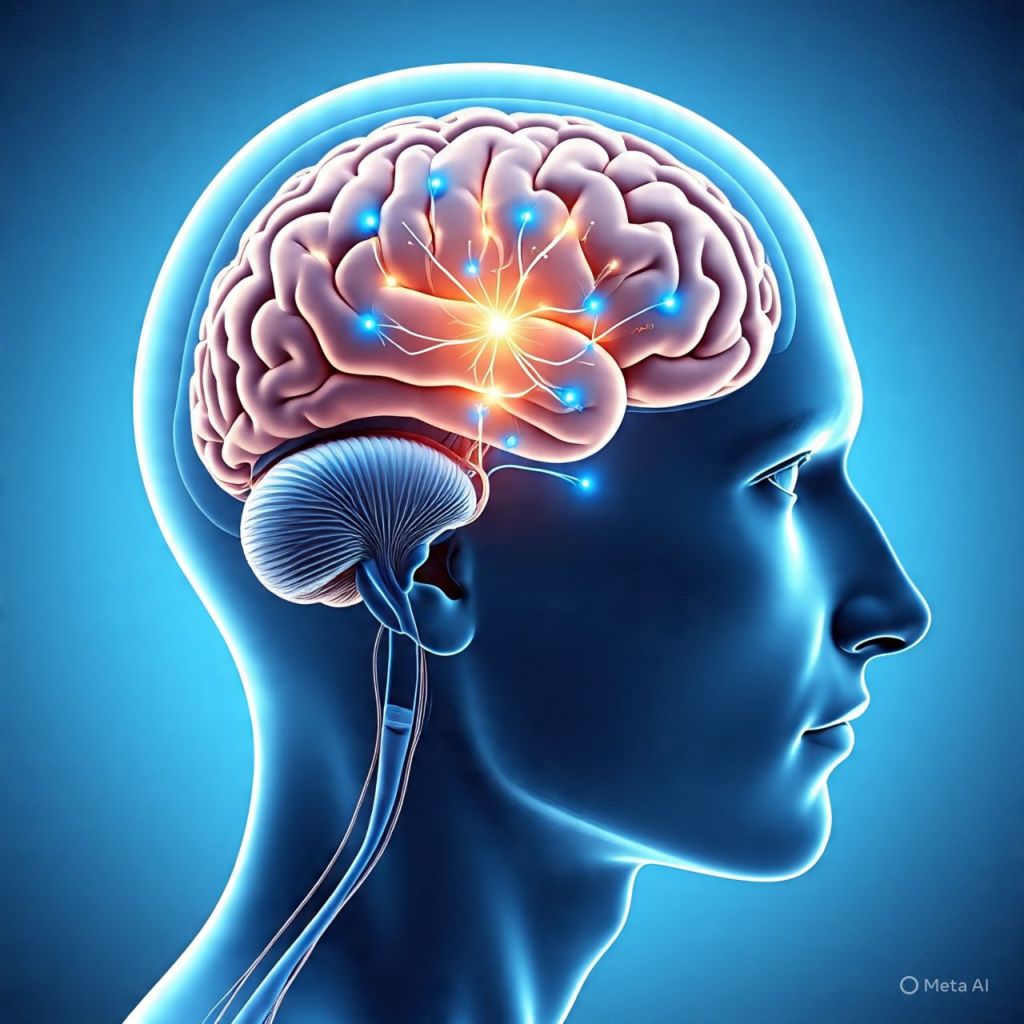
Discover how psychoneuroimmunology reveals the powerful connection between the mind and immune system. Learn how thoughts, emotions, and stress hormones influence inflammation, healing, and recovery.
Introduction
For many years, medicine treated the mind and body as two completely separate systems.
The brain handled thoughts and emotions.
The immune system handled infections and disease.
The body was seen as a collection of independent parts.
But modern science has revealed a very different reality.
Your mind, nervous system, hormones, and immune system are deeply interconnected. They constantly communicate with one another through complex biochemical signals.
This fascinating field of research is known as psychoneuroimmunology.
Psychoneuroimmunology studies how thoughts, emotions, and psychological states influence the immune system and the body’s healing processes.
What researchers are discovering is both profound and empowering:
Your mental and emotional environment can significantly affect your physical health.
This does not mean that thoughts alone cure disease. But it does mean that the way we think, feel, and respond to stress can shape the internal conditions in which healing occurs.
For those exploring Natural Remission Protocols, understanding this mind-body connection can be a powerful tool for supporting recovery.
What Is Psychoneuroimmunology?
The word psychoneuroimmunology may sound complicated, but it simply combines three major systems of the body:
Psycho – the mind, thoughts, and emotions
Neuro – the nervous system and brain
Immunology – the immune system
Psychoneuroimmunology explores how these systems interact and influence each other.
Researchers have discovered that communication between these systems occurs through:
- hormones
- neurotransmitters
- cytokines
- nerve signals
- immune messengers
In other words, your thoughts and emotions are not just psychological experiences. They trigger real biological responses that travel throughout the body.
These responses can influence:
- immune strength
- inflammation levels
- hormone balance
- pain sensitivity
- recovery speed
Understanding this connection opens a new perspective on health and healing.
The Immune System Listens to the Brain
Your immune system is often described as the body’s defense army.
It protects you from:
- viruses
- bacteria
- toxins
- abnormal cells
- environmental threats
But this defense system does not operate independently.
It constantly receives signals from the brain and nervous system.
When the brain perceives safety and calm, the body shifts into rest-and-repair mode.
During this state, the immune system can focus on:
- repairing tissues
- fighting infections
- regulating inflammation
- maintaining balance
However, when the brain perceives danger or prolonged stress, the body activates the fight-or-flight response.
This response is designed for short-term survival—but it can create problems when activated continuously.
How Mental States Influence the Body
Psychoneuroimmunology research has shown that mental and emotional states influence many aspects of health.
These include:
Immune Function
Chronic stress can suppress certain immune responses, making the body more vulnerable to infections and slower healing.
Positive emotional states, such as hope and calm, may support more balanced immune activity.
Inflammation Levels
Inflammation is a natural part of the immune response.
However, long-term psychological stress can increase chronic inflammation, which has been linked to many health conditions.
Reducing stress may help regulate inflammatory processes in the body.
Hormone Balance
Thoughts and emotions influence the release of hormones such as:
- cortisol
- adrenaline
- serotonin
- dopamine
When these hormones remain balanced, the body functions more efficiently.
But chronic emotional stress can disrupt hormonal stability.
Pain Perception
Pain is not only a physical sensation—it is also processed by the brain.
Psychological factors such as anxiety, fear, and depression can amplify pain signals.
Conversely, relaxation and positive emotional states may reduce pain sensitivity.
Recovery Speed
Research has shown that emotional wellbeing may influence recovery after surgery, injury, or illness.
Patients with stronger social support and positive outlooks often demonstrate faster healing and improved outcomes.
The Role of Cortisol: The Body’s Stress Hormone
One of the most important hormones involved in psychoneuroimmunology is cortisol.
Cortisol is produced by the adrenal glands and plays a crucial role in the body’s stress response.
In short bursts, cortisol is beneficial. It helps the body respond to challenges by:
- increasing alertness
- mobilizing energy
- sharpening focus
However, problems arise when cortisol remains elevated for long periods.
When someone lives in chronic fear, hopelessness, or stress, the body often produces higher levels of cortisol and other stress hormones.
Over time, elevated cortisol can contribute to:
- weakened immune defenses
- increased inflammation
- disrupted sleep patterns
- hormonal imbalance
- digestive issues
- fatigue
In this way, chronic stress can quietly undermine the body’s natural healing systems.
Chronic Stress: A Hidden Health Threat
Modern life exposes many people to continuous stress.
Work pressure, financial worries, relationship struggles, health concerns, and information overload can keep the nervous system in a constant state of alert.
The problem is that the human body was not designed for permanent stress activation.
In ancient environments, stress responses were brief.
A threat appeared, the body responded, and then the system returned to normal.
Today, psychological stressors can persist for months or years.
When the nervous system remains in survival mode, the body often sacrifices long-term maintenance processes like:
- immune regulation
- tissue repair
- hormone balance
- digestive health
These disruptions may contribute to chronic symptoms and illness.
Emotional States That Support Healing
While chronic stress can weaken health, certain emotional states may support healing processes.
Psychoneuroimmunology research suggests that emotions such as:
- hope
- gratitude
- love
- connection
- optimism
- purpose
can positively influence the nervous and immune systems.
These states help activate the parasympathetic nervous system, sometimes called the “rest-and-digest” system.
When this system is active, the body prioritizes:
- repair
- immune regulation
- digestion
- energy restoration
Creating emotional environments that support these states may help strengthen the body’s healing capacity.
The Power of Social Connection
Humans are social beings.
Isolation and loneliness have been linked to increased stress hormones and weaker immune responses.
On the other hand, supportive relationships can provide powerful health benefits.
Social connection can:
- reduce cortisol levels
- improve emotional resilience
- enhance immune function
- improve recovery after illness
This is why support networks often play a critical role in healing journeys.
Whether it’s family, friends, support groups, or compassionate healthcare providers, connection helps the body feel safe enough to heal.
Mindfulness and Stress Reduction
Many Natural Remission Protocols include practices designed to calm the nervous system and reduce chronic stress.
Some of the most effective approaches include:
Meditation
Meditation has been shown to reduce stress hormones and promote relaxation.
Regular practice can improve emotional regulation and mental clarity.
Deep Breathing
Controlled breathing techniques help signal the nervous system that the body is safe.
This can reduce anxiety and lower stress responses.
Gentle Movement
Activities such as walking, stretching, or yoga support circulation, mood, and nervous system balance.
Movement also helps release tension stored in the body.
Time in Nature
Spending time outdoors has been associated with lower cortisol levels and improved mood.
Nature exposure may also support immune health.
Reframing Thoughts for Better Health
Our thoughts shape how we interpret experiences.
Two people can face the same challenge but respond in completely different ways.
One person may feel overwhelmed and hopeless.
Another may view the challenge as difficult but manageable.
These mental interpretations influence emotional responses—and emotional responses influence biology.
Learning to reframe thoughts can reduce unnecessary stress.
Instead of thinking:
“I will never recover.”
A more balanced thought might be:
“Recovery may take time, but I will support my body every step of the way.”
This shift can help reduce fear-driven stress responses.
Integrating Mind and Body in Healing
Psychoneuroimmunology does not claim that thoughts alone cure disease.
But it clearly shows that mental and emotional environments influence biological processes.
For people exploring Natural Remission Protocols, this insight highlights the importance of addressing health from multiple angles.
Healing may involve:
- medical treatment
- nutritional support
- stress reduction
- emotional healing
- supportive relationships
- positive lifestyle changes
When the mind and body work together, the internal environment becomes far more supportive of recovery.
Final Thoughts
The field of psychoneuroimmunology has transformed our understanding of health.
It shows that the mind is not separate from the body—it is deeply intertwined with every biological system.
Thoughts and emotions influence:
- immune activity
- inflammation
- hormone balance
- pain perception
- recovery processes
Chronic fear, hopelessness, and stress can elevate cortisol and disrupt healing.
But hope, calm, connection, and emotional resilience can help restore balance.
Healing is rarely driven by a single factor.
It is usually the result of many systems working together.
By nurturing both mental and physical wellbeing, we create the conditions where the body’s natural healing intelligence can function at its best.
And that understanding may be one of the most powerful tools available in the journey toward health and remission.
- From Awareness to Action: How to Turn What You Know Into Real Health, Freedom, and Results|When The Body Speaks Online 📖Writer: Alfred Okoko, Founder of the Natural Remission Protocol.“I help people reverse chronic conditions naturally and reclaim their health.” Discover how to turn awareness into action with simple daily habits that support real health, freedom, and clarity. Learn how to stop overthinking and start living intentionally. Introduction Awareness is powerful. It opens your eyes.It changes… Read more: From Awareness to Action: How to Turn What You Know Into Real Health, Freedom, and Results|When The Body Speaks Online 📖
- Common Mistakes People Make When Trying to Heal Naturally (And How to Avoid Them)|When The Body Speaks Online 📖Writer: Alfred Okoko, Founder of the Natural Remission Protocols“I help people reverse chronic conditions naturally and reclaim their health.” Avoid the most common mistakes people make when trying to heal naturally—learn what slows progress and how to achieve real, lasting results. Introduction Natural healing is powerful. It’s helped countless people reduce symptoms, regain energy, and… Read more: Common Mistakes People Make When Trying to Heal Naturally (And How to Avoid Them)|When The Body Speaks Online 📖
- Erectile Dysfunction Home Remedies: Supporting Circulation, Confidence, and Whole-Body Health|When The Body Speaks Online 📖Discover supportive home remedies for erectile dysfunction that focus on circulation, stress reduction, and whole-body health. Natural strategies inspired by When The Body Speaks. Introduction Erectile dysfunction (ED) is often discussed only in physical terms, yet it is closely connected to circulation, stress levels, emotional wellbeing, energy balance, and lifestyle patterns. For many men, changes… Read more: Erectile Dysfunction Home Remedies: Supporting Circulation, Confidence, and Whole-Body Health|When The Body Speaks Online 📖
- Psychoneuroimmunology: How Thoughts and Emotions Influence the Immune System and Healing|When The Body Speaks Online 📖Writer: Alfred Okoko, Founder of the Natural Remission Protocols“I help people reverse chronic conditions naturally and reclaim their health.” Discover how psychoneuroimmunology reveals the powerful connection between the mind and immune system. Learn how thoughts, emotions, and stress hormones influence inflammation, healing, and recovery. Introduction For many years, medicine treated the mind and body as… Read more: Psychoneuroimmunology: How Thoughts and Emotions Influence the Immune System and Healing|When The Body Speaks Online 📖
- Belief Does Not Cure Disease—But It Can Open the Door to Healing|When The Body Speaks Online 📖Writer: Alfred Okoko, Founder of the Natural Remission Protocols“I help people reverse chronic conditions naturally and reclaim their health.” Belief alone may not cure disease, but it can powerfully influence healing. Discover how mindset, hope, and emotional resilience support the body’s natural recovery process. Introduction In the world of health and wellness, there are two… Read more: Belief Does Not Cure Disease—But It Can Open the Door to Healing|When The Body Speaks Online 📖
 When The Body Speaks Online