Skip to content
    • About
    • Blog
    • Contact
    • Cookie Consent & GDPR Compliance
    • Home Page
    • Privacy Policy
    • Terms and Conditions
    • When the Body Speaks: The Herbal Path to True Healing Book|Alfred Okoko
    • When the Body Speaks|By Alfred Okoko

When The Body Speaks Online

  • From Awareness to Action: How to Turn What You Know Into Real Health, Freedom, and Results|When The Body Speaks Online 📖

    March 25th, 2026

    Writer: Alfred Okoko, Founder of the Natural Remission Protocol.
    “I help people reverse chronic conditions naturally and reclaim their health.”

    Awareness To Action


    Discover how to turn awareness into action with simple daily habits that support real health, freedom, and clarity. Learn how to stop overthinking and start living intentionally.

    Introduction

    Awareness is powerful.

    It opens your eyes.
    It changes how you see the world.
    It helps you question what no longer makes sense.

    But here’s the truth most people don’t talk about:

    Awareness alone doesn’t change your life. Action does.

    You can read the books.
    Watch the videos.
    Question everything.

    But if nothing changes in your daily behavior…

    Nothing changes in your life.

    So the real question becomes:

    How do you turn awareness into action—without overwhelm, confusion, or burnout?

    Let’s break it down.

    The Awareness Trap Most People Fall Into

    When you first “wake up” to new ways of thinking—about health, mindset, or life—it feels exciting.

    You start to see:

    • What’s not working
    • What needs to change
    • What’s possible

    But then something happens…

    You get stuck in a loop:

    • Learning more
    • Thinking more
    • Planning more

    But not doing more.

    This is called the awareness trap.

    And it sounds like this:

    • “I need to learn more before I start”
    • “I’m not sure which method is best”
    • “I’ll begin when I feel ready”

    But here’s the reality:

    Clarity doesn’t come before action.
    Clarity comes from action.

    Why Action Feels So Difficult

    If action is the key, why do so many people struggle with it?

    Because action requires:

    • Uncertainty
    • Effort
    • Responsibility

    And your mind is wired to avoid all three.

    It prefers:

    • Comfort
    • Familiarity
    • Predictability

    So even when you know what to do…

    You hesitate.

    Not because you’re lazy—but because you’re human.

    The Shift: From Perfect Plans to Imperfect Action

    One of the biggest mindset shifts you can make is this:

    Stop trying to get it perfect.
    Start trying to get it going.

    You don’t need:

    • The perfect diet
    • The perfect routine
    • The perfect strategy

    You need movement.

    Because even imperfect action creates:

    • Feedback
    • Momentum
    • Progress

    And progress builds confidence.

    Action Creates Evidence—and Evidence Builds Belief

    Right now, many of your beliefs are based on:

    • What you’ve been told
    • What you’ve read
    • What you’ve assumed

    But real belief comes from evidence.

    When you take action, you gather proof:

    • “This works for me”
    • “This doesn’t feel right”
    • “This improves my energy”

    This is how you move from theory… to certainty.

    The 4-Step System to Turn Awareness Into Action

    Let’s simplify this into something you can apply immediately.

    Step 1: Choose One Area (Not Everything)

    Trying to change everything at once leads to overwhelm.

    Instead, focus on one area:

    • Sleep
    • Nutrition
    • Movement
    • Mental clarity

    Ask yourself:

    “What is the one thing that, if improved, would make the biggest difference right now?”

    Start there.

    Step 2: Simplify the Action

    Make your action so simple that it’s impossible to avoid.

    For example:

    • Instead of “eat healthy” → “add one whole food meal per day”
    • Instead of “exercise more” → “walk for 10 minutes daily”
    • Instead of “reduce stress” → “take 5 minutes of silence each morning”

    Small actions remove resistance.

    Step 3: Be Consistent, Not Intense

    Most people fail because they go too hard, too fast.

    They try to change everything overnight.

    But real transformation comes from consistency.

    Small actions, repeated daily, create lasting results.

    Step 4: Reflect and Adjust

    After a few days or weeks, ask:

    • What’s working?
    • What’s not?
    • What needs to change?

    This is where awareness and action come together.

    You’re no longer guessing.

    You’re learning from your own life.

    Daily Habits That Anchor Awareness Into Reality

    If you want to live consciously, your daily habits must reflect it.

    Here are simple anchors you can start using:

    1. Morning Check-In

    Before the world influences you, ask:

    • How do I feel today?
    • What does my body need?
    • What is one intentional action I will take?

    This sets the tone for your day.

    2. Mindful Consumption

    Be intentional about what you take in:

    • Information
    • Food
    • Conversations

    Because everything you consume shapes your state.

    3. Movement as Medicine

    Your body is designed to move.

    You don’t need intense workouts—just consistent movement.

    It improves:

    • Energy
    • Mood
    • Clarity

    4. Evening Reflection

    End your day with awareness:

    • What did I do well?
    • What did I learn?
    • What will I adjust tomorrow?

    This closes the loop between awareness and action.

    The Power of Momentum

    Here’s something powerful:

    Action creates momentum—and momentum makes action easier.

    At the beginning, everything feels hard.

    But once you start:

    • Decisions become clearer
    • Habits become automatic
    • Confidence grows

    And suddenly, what once felt difficult becomes natural.

    When You Feel Stuck: Do This

    If you ever feel overwhelmed or stuck, simplify everything.

    Ask yourself:

    “What is the smallest action I can take right now?”

    Then do it immediately.

    Not later. Not tomorrow.

    Now.

    Because action breaks resistance.

    The Truth About Transformation

    Transformation is not one big moment.

    It’s a series of small decisions made consistently.

    • Choosing better habits
    • Listening to your body
    • Acting on what you already know

    Day by day.

    Step by step.

    Linking It All Together

    Let’s connect the dots:

    • You started by questioning everything
    • You learned to trust yourself again
    • Now, you are taking action on what you know

    This is the full cycle of growth.

    Miss one step, and progress slows.

    Master all three, and your life changes.

    Final Thought: Action Is Self-Respect

    Every time you act on what you know is right for you…

    You send yourself a message:

    “I matter.”
    “My health matters.”
    “My life matters.”

    And that builds something deeper than motivation.

    It builds identity.

    Conclusion: Start Before You Feel Ready

    You don’t need more time.
    You don’t need more information.
    You don’t need more perfection.

    You just need to begin.

    Because the life you’re becoming aware of…

    Is waiting on your action.

    More Articles
    • From Awareness to Action: How to Turn What You Know Into Real Health, Freedom, and Results|When The Body Speaks Online 📖
      Writer: Alfred Okoko, Founder of the Natural Remission Protocol.“I help people reverse chronic conditions naturally and reclaim their health.” Discover how to turn awareness into action with simple daily habits that support real health, freedom, and clarity. Learn how to stop overthinking and start living intentionally. Introduction Awareness is powerful. It opens your eyes.It changes… Read more: From Awareness to Action: How to Turn What You Know Into Real Health, Freedom, and Results|When The Body Speaks Online 📖
    • Common Mistakes People Make When Trying to Heal Naturally (And How to Avoid Them)|When The Body Speaks Online 📖
      Writer: Alfred Okoko, Founder of the Natural Remission Protocols“I help people reverse chronic conditions naturally and reclaim their health.” Avoid the most common mistakes people make when trying to heal naturally—learn what slows progress and how to achieve real, lasting results. Introduction Natural healing is powerful. It’s helped countless people reduce symptoms, regain energy, and… Read more: Common Mistakes People Make When Trying to Heal Naturally (And How to Avoid Them)|When The Body Speaks Online 📖
    • Erectile Dysfunction Home Remedies: Supporting Circulation, Confidence, and Whole-Body Health|When The Body Speaks Online 📖
      Discover supportive home remedies for erectile dysfunction that focus on circulation, stress reduction, and whole-body health. Natural strategies inspired by When The Body Speaks. Introduction Erectile dysfunction (ED) is often discussed only in physical terms, yet it is closely connected to circulation, stress levels, emotional wellbeing, energy balance, and lifestyle patterns. For many men, changes… Read more: Erectile Dysfunction Home Remedies: Supporting Circulation, Confidence, and Whole-Body Health|When The Body Speaks Online 📖
    • Psychoneuroimmunology: How Thoughts and Emotions Influence the Immune System and Healing|When The Body Speaks Online 📖
      Writer: Alfred Okoko, Founder of the Natural Remission Protocols“I help people reverse chronic conditions naturally and reclaim their health.” Discover how psychoneuroimmunology reveals the powerful connection between the mind and immune system. Learn how thoughts, emotions, and stress hormones influence inflammation, healing, and recovery. Introduction For many years, medicine treated the mind and body as… Read more: Psychoneuroimmunology: How Thoughts and Emotions Influence the Immune System and Healing|When The Body Speaks Online 📖
    • Belief Does Not Cure Disease—But It Can Open the Door to Healing|When The Body Speaks Online 📖
      Writer: Alfred Okoko, Founder of the Natural Remission Protocols“I help people reverse chronic conditions naturally and reclaim their health.” Belief alone may not cure disease, but it can powerfully influence healing. Discover how mindset, hope, and emotional resilience support the body’s natural recovery process. Introduction In the world of health and wellness, there are two… Read more: Belief Does Not Cure Disease—But It Can Open the Door to Healing|When The Body Speaks Online 📖

  • Common Mistakes People Make When Trying to Heal Naturally (And How to Avoid Them)|When The Body Speaks Online 📖

    March 22nd, 2026

    Writer: Alfred Okoko, Founder of the Natural Remission Protocols
    “I help people reverse chronic conditions naturally and reclaim their health.”

    Wellness Journey

    Avoid the most common mistakes people make when trying to heal naturally—learn what slows progress and how to achieve real, lasting results.

    Introduction

    Natural healing is powerful.

    It’s helped countless people reduce symptoms, regain energy, and even reverse chronic conditions.

    But here’s the truth most people don’t talk about:

    👉 Many people try natural healing… and fail.

    Not because it doesn’t work.

    But because they make critical mistakes that slow—or completely block—their progress.

    If you’ve ever felt stuck, frustrated, or unsure if you’re “doing it right,” this guide will open your eyes.

    Let’s break down the most common mistakes—and how to fix them.

    Mistake #1: Expecting Instant Results

    This is the biggest trap.

    We live in a world of quick fixes.

    Take a pill → feel better fast.

    So naturally, many people expect the same from natural remedies.

    The Reality

    Natural healing works differently.

    👉 It rebuilds your body over time.

    What to Do Instead

    ✔ Be patient
    ✔ Track small improvements
    ✔ Focus on consistency

    Healing is a process—not an event.

    Mistake #2: Trying Too Many Remedies at Once

    It’s easy to get excited and try everything:

    • Multiple herbs
    • Different diets
    • Supplements
    • Detox plans

    Why This Backfires

    ❌ You overwhelm your body
    ❌ You can’t tell what’s working
    ❌ You increase the risk of side effects

    What to Do Instead

    👉 Start simple.

    • Choose 1–2 remedies
    • Stick with them consistently
    • Observe your body

    Clarity leads to better results.

    Mistake #3: Ignoring Diet (The Foundation of Healing)

    Some people rely heavily on herbs or remedies—but don’t change their diet.

    The Problem

    You cannot out-supplement a poor diet.

    If you’re still consuming:

    • Processed foods
    • Excess sugar
    • Fried foods

    You’re feeding the root cause.

    What to Do Instead

    ✔ Clean up your diet first
    ✔ Focus on whole foods
    ✔ Reduce inflammatory triggers

    Food is your primary medicine.

    Mistake #4: Being Inconsistent

    Natural healing only works when done regularly.

    Common Pattern

    • Start strong for a few days
    • Skip routines
    • Give up too soon

    Why This Fails

    The body needs consistent signals to change.

    What to Do Instead

    👉 Build simple daily habits.

    • One herbal tea daily
    • One healthy meal
    • One short walk

    Small, repeated actions create real results.

    Mistake #5: Overlooking Stress

    Many people focus only on physical solutions.

    But ignore one major factor:

    👉 Stress.

    Why It Matters

    Stress:

    • Increases inflammation
    • Disrupts digestion
    • Weakens immunity

    What to Do Instead

    ✔ Practice deep breathing
    ✔ Take breaks
    ✔ Create quiet time daily

    You cannot heal a stressed body.

    Mistake #6: Not Addressing Gut Health

    Your gut is central to healing.

    Yet many people overlook it.

    Signs of Poor Gut Health

    • Bloating
    • Acid reflux
    • Irregular digestion
    • Low energy

    Why It Matters

    Your gut affects:

    ✔ Immunity
    ✔ Inflammation
    ✔ Nutrient absorption

    What to Do Instead

    • Eat fiber-rich foods
    • Reduce sugar
    • Stay hydrated
    • Add natural probiotics

    Fix the gut—and healing accelerates.

    Mistake #7: Quitting Too Early

    This is where many people lose out.

    They don’t see results fast enough—and stop.

    The Truth

    Natural healing often takes:

    • Weeks to feel changes
    • Months for deeper transformation

    What to Do Instead

    👉 Commit long-term.

    • Give your body time
    • Trust the process
    • Stay consistent

    Your body needs time to rebuild.

    Mistake #8: Following Trends Instead of Principles

    Every day there’s a new “miracle cure” online.

    The Problem

    • Confusion
    • Misinformation
    • Unrealistic expectations

    What to Focus On Instead

    👉 Proven fundamentals:

    ✔ Healthy diet
    ✔ Stress management
    ✔ Movement
    ✔ Sleep
    ✔ Consistency

    These never go out of style.

    Mistake #9: Ignoring Professional Guidance When Needed

    Natural healing is powerful—but it’s not always enough alone.

    Risk

    Some people avoid medical help completely—even in serious cases.

    What to Do Instead

    ✔ Seek guidance when needed
    ✔ Use testing and diagnosis
    ✔ Combine natural and medical approaches

    Balance is key.

    Mistake #10: Not Listening to Your Body

    This is one of the most overlooked mistakes.

    What Happens

    People follow rigid plans without paying attention to how they feel.

    Why It Matters

    Your body gives feedback:

    • Energy levels
    • Digestion
    • Mood
    • Sleep

    What to Do Instead

    👉 Tune in.

    • Notice what works
    • Adjust when needed
    • Personalize your approach

    There is no one-size-fits-all solution.

    The Right Way to Approach Natural Healing

    Let’s simplify everything into a practical framework.

    Step 1: Start Simple

    • One diet change
    • One remedy
    • One habit

    Step 2: Stay Consistent

    • Daily action
    • Repeat over time

    Step 3: Support the Basics

    • Nutrition
    • Gut health
    • Stress management
    • Sleep

    Step 4: Track Progress

    • Energy
    • Symptoms
    • Mood

    Step 5: Adjust Gradually

    • Add new strategies slowly
    • Keep what works

    A Simple Daily Healing Routine

    If you want a clear starting point:

    Morning

    • Warm water
    • Herbal tea
    • Light movement

    Afternoon

    • Whole, balanced meals
    • Hydration

    Evening

    • Light dinner
    • Relaxation
    • Sleep

    What Happens When You Avoid These Mistakes?

    When you apply natural healing the right way:

    ✔ You see steady progress
    ✔ Your energy improves
    ✔ Symptoms reduce
    ✔ Your body begins to rebalance

    And most importantly:

    👉 You build lasting health, not temporary relief.

    Final Thoughts: Do It Right, Not Fast

    Natural healing works.

    But only when done correctly.

    Avoid the mistakes.

    Stay consistent.

    Trust the process.

    Because healing is not about doing everything perfectly.

    👉 It’s about doing the right things repeatedly.

    Ready to Start Your Healing Journey the Right Way?

    Start simple:

    ✔ Improve your diet
    ✔ Add one natural remedy
    ✔ Stay consistent

    And remember:

    👉 Your body knows how to heal.
    👉 You just need to support it.


    Ready to Take the Next Step Toward Natural Healing?

    If you’re serious about reversing your condition and want a personalized Remission Protocol tailored specifically to your body and lifestyle, I’m here to guide you.
    📲 Message me directly on WhatsApp
    +254 726 530 868 to get started:

    👉 Send the word “REMISSION” to begin your transformation journey.
    You’ll receive: ✔ A customized natural healing plan
    ✔ Diet and lifestyle guidance
    ✔ Herbal and supplement recommendations
    ✔ Ongoing support to keep you on track

    Don’t wait for your health to get worse—take control now and start your remission journey today.

    Read More Articles
    • From Awareness to Action: How to Turn What You Know Into Real Health, Freedom, and Results|When The Body Speaks Online 📖
      Writer: Alfred Okoko, Founder of the Natural Remission Protocol.“I help people reverse chronic conditions naturally and reclaim their health.” Discover how to turn awareness into action with simple daily habits that support real health, freedom, and clarity. Learn how to stop overthinking and start living intentionally. Introduction Awareness is powerful. It opens your eyes.It changes… Read more: From Awareness to Action: How to Turn What You Know Into Real Health, Freedom, and Results|When The Body Speaks Online 📖
    • Common Mistakes People Make When Trying to Heal Naturally (And How to Avoid Them)|When The Body Speaks Online 📖
      Writer: Alfred Okoko, Founder of the Natural Remission Protocols“I help people reverse chronic conditions naturally and reclaim their health.” Avoid the most common mistakes people make when trying to heal naturally—learn what slows progress and how to achieve real, lasting results. Introduction Natural healing is powerful. It’s helped countless people reduce symptoms, regain energy, and… Read more: Common Mistakes People Make When Trying to Heal Naturally (And How to Avoid Them)|When The Body Speaks Online 📖
    • Erectile Dysfunction Home Remedies: Supporting Circulation, Confidence, and Whole-Body Health|When The Body Speaks Online 📖
      Discover supportive home remedies for erectile dysfunction that focus on circulation, stress reduction, and whole-body health. Natural strategies inspired by When The Body Speaks. Introduction Erectile dysfunction (ED) is often discussed only in physical terms, yet it is closely connected to circulation, stress levels, emotional wellbeing, energy balance, and lifestyle patterns. For many men, changes… Read more: Erectile Dysfunction Home Remedies: Supporting Circulation, Confidence, and Whole-Body Health|When The Body Speaks Online 📖
    • Psychoneuroimmunology: How Thoughts and Emotions Influence the Immune System and Healing|When The Body Speaks Online 📖
      Writer: Alfred Okoko, Founder of the Natural Remission Protocols“I help people reverse chronic conditions naturally and reclaim their health.” Discover how psychoneuroimmunology reveals the powerful connection between the mind and immune system. Learn how thoughts, emotions, and stress hormones influence inflammation, healing, and recovery. Introduction For many years, medicine treated the mind and body as… Read more: Psychoneuroimmunology: How Thoughts and Emotions Influence the Immune System and Healing|When The Body Speaks Online 📖
    • Belief Does Not Cure Disease—But It Can Open the Door to Healing|When The Body Speaks Online 📖
      Writer: Alfred Okoko, Founder of the Natural Remission Protocols“I help people reverse chronic conditions naturally and reclaim their health.” Belief alone may not cure disease, but it can powerfully influence healing. Discover how mindset, hope, and emotional resilience support the body’s natural recovery process. Introduction In the world of health and wellness, there are two… Read more: Belief Does Not Cure Disease—But It Can Open the Door to Healing|When The Body Speaks Online 📖

  • Erectile Dysfunction Home Remedies: Supporting Circulation, Confidence, and Whole-Body Health|When The Body Speaks Online 📖

    March 20th, 2026

    Discover supportive home remedies for erectile dysfunction that focus on circulation, stress reduction, and whole-body health. Natural strategies inspired by When The Body Speaks.

    Introduction

    Erectile dysfunction (ED) is often discussed only in physical terms, yet it is closely connected to circulation, stress levels, emotional wellbeing, energy balance, and lifestyle patterns. For many men, changes in erectile function are not sudden failures — they are signals that the body requires support, restoration, or balance.

    While medical evaluation is important, many men experience meaningful improvement when they adopt consistent home-based practices that support blood flow, nerve function, and overall vitality. Gentle daily habits can strengthen both physical responsiveness and confidence.

    This article explores supportive home remedies for erectile dysfunction that focus on working with the body’s systems rather than forcing immediate results.

    Understanding Erectile Function as a Whole-Body Process

    Healthy erectile function depends on coordinated activity across several systems:

    • Circulatory health
    • Nervous system balance
    • Hormonal regulation
    • Emotional state
    • Energy levels
    • Lifestyle patterns

    When one or more of these systems are strained, changes in function may occur. Addressing the underlying environment of the body often provides more lasting improvement than focusing only on the symptom.

    Home Remedy 1: Support Circulation Through Daily Movement

    Blood flow plays a central role in erectile function. Movement supports vascular health and tissue oxygenation.

    Helpful practices include:

    • Brisk walking most days of the week
    • Light strength exercises for large muscle groups
    • Gentle stretching to support flexibility
    • Avoiding prolonged sitting

    Regular movement supports circulation not only during activity but throughout the day.

    Home Remedy 2: Manage Stress to Support Nervous System Balance

    Stress activates protective body responses that can reduce sexual responsiveness. Supporting relaxation helps restore balance.

    Supportive strategies include:

    • Slow breathing exercises
    • Quiet relaxation time each day
    • Mindful awareness of tension in the body
    • Reducing chronic mental overload

    A calm nervous system supports healthy physical responsiveness.

    Home Remedy 3: Improve Sleep Quality

    Rest is essential for hormonal balance, energy restoration, and nervous system regulation.

    Supportive sleep habits include:

    • Maintaining consistent sleep timing
    • Reducing stimulating activities before bed
    • Creating a comfortable sleep environment
    • Allowing adequate sleep duration

    Quality sleep supports both physical and emotional readiness.

    Home Remedy 4: Nourish the Body for Vascular Health

    Nutrition supports circulation, tissue repair, and energy production.

    Helpful daily habits include:

    • Balanced meals with whole foods
    • Regular hydration
    • Minimizing heavily processed foods
    • Maintaining stable energy through consistent eating patterns

    Nourishment supports the body’s capacity for responsiveness.

    Home Remedy 5: Support Pelvic Floor Strength

    Pelvic floor muscles play a role in erectile function and control. Gentle strengthening may support function.

    Supportive practices include:

    • Controlled contraction and relaxation of pelvic muscles
    • Consistent daily practice
    • Avoiding excessive strain

    Balanced muscle function supports circulation and control.

    Home Remedy 6: Reduce Circulatory Strain From Lifestyle Factors

    Certain daily habits can restrict blood flow or increase vascular stress.

    Supportive adjustments may include:

    • Limiting tobacco exposure
    • Moderating alcohol intake
    • Maintaining healthy body weight
    • Supporting cardiovascular health

    Improved vascular function supports overall physical responsiveness.

    Home Remedy 7: Support Emotional Confidence and Connection

    Emotional state significantly influences physical response. Performance pressure can increase tension and reduce responsiveness.

    Supportive approaches include:

    • Reducing self-criticism
    • Maintaining open communication with partners
    • Focusing on connection rather than performance
    • Supporting self-confidence through overall wellbeing

    Emotional comfort supports physiological function.

    Home Remedy 8: Balance Activity and Recovery

    Excess fatigue can reduce responsiveness. Balanced energy management supports vitality.

    Helpful practices include:

    • Avoiding chronic overwork
    • Allowing recovery after physical exertion
    • Supporting energy through nutrition and rest
    • Recognizing early fatigue signals

    Energy balance supports consistent physical function.

    Observing Patterns Instead of Reacting to Episodes

    Erectile dysfunction often follows patterns related to stress, fatigue, health changes, or emotional state.

    Consider observing:

    • When responsiveness is stronger or weaker
    • How stress levels influence function
    • The impact of sleep quality
    • How physical activity affects energy
    • How emotional comfort influences confidence

    Awareness helps guide supportive changes.

    Erectile Function and Whole-Body Health

    ED is often a reflection of overall physiological balance. Supporting general health frequently supports sexual health as well.

    A whole-body approach includes:

    • Circulatory support through movement
    • Emotional balance through stress management
    • Nutritional support for energy and repair
    • Rest and recovery for hormonal regulation
    • Confidence through self-awareness

    When the body functions in balance, responsiveness often improves naturally.

    Moving From Pressure to Partnership With the Body

    Attempting to force performance often increases tension and reduces responsiveness. A supportive approach focuses on partnership rather than pressure.

    Partnership includes:

    • Listening to body signals
    • Supporting health consistently
    • Reducing stress-related tension
    • Allowing gradual improvement
    • Respecting natural rhythms

    This approach promotes long-term improvement rather than temporary response.

    Understanding Physical Signals as Communication

    Changes in erectile function are not isolated events — they are communication from the body about circulation, stress, energy, and balance. When these signals are acknowledged and supported, the body often responds with improved function over time.

    Learning to interpret physical signals provides guidance for sustainable wellbeing.

    Explore the Deeper Meaning of Body Communication

    If you are interested in understanding how physical symptoms reflect deeper patterns in health — and how awareness can guide supportive daily choices — these ideas are explored more deeply in my book.

    👉 Get your copy of When The Body Speaks on Payhip:https://payhip.com/b/6hDiH

    The book provides insight into body communication and practical ways to support health through awareness and daily habits.

    Final Thoughts

    Home remedies for erectile dysfunction focus on supporting the body’s systems rather than forcing immediate change. Circulation, rest, nutrition, stress balance, and emotional wellbeing work together to influence responsiveness.

    Your body is not failing — it is communicating. When you respond with consistent support, patience, and awareness, improvement often follows naturally.

    Read More Articles
    • From Awareness to Action: How to Turn What You Know Into Real Health, Freedom, and Results|When The Body Speaks Online 📖
      Writer: Alfred Okoko, Founder of the Natural Remission Protocol.“I help people reverse chronic conditions naturally and reclaim their health.” Discover how to turn awareness into action with simple daily habits that support real health, freedom, and clarity. Learn how to stop overthinking and start living intentionally. Introduction Awareness is powerful. It opens your eyes.It changes… Read more: From Awareness to Action: How to Turn What You Know Into Real Health, Freedom, and Results|When The Body Speaks Online 📖
    • Common Mistakes People Make When Trying to Heal Naturally (And How to Avoid Them)|When The Body Speaks Online 📖
      Writer: Alfred Okoko, Founder of the Natural Remission Protocols“I help people reverse chronic conditions naturally and reclaim their health.” Avoid the most common mistakes people make when trying to heal naturally—learn what slows progress and how to achieve real, lasting results. Introduction Natural healing is powerful. It’s helped countless people reduce symptoms, regain energy, and… Read more: Common Mistakes People Make When Trying to Heal Naturally (And How to Avoid Them)|When The Body Speaks Online 📖
    • Erectile Dysfunction Home Remedies: Supporting Circulation, Confidence, and Whole-Body Health|When The Body Speaks Online 📖
      Discover supportive home remedies for erectile dysfunction that focus on circulation, stress reduction, and whole-body health. Natural strategies inspired by When The Body Speaks. Introduction Erectile dysfunction (ED) is often discussed only in physical terms, yet it is closely connected to circulation, stress levels, emotional wellbeing, energy balance, and lifestyle patterns. For many men, changes… Read more: Erectile Dysfunction Home Remedies: Supporting Circulation, Confidence, and Whole-Body Health|When The Body Speaks Online 📖
    • Psychoneuroimmunology: How Thoughts and Emotions Influence the Immune System and Healing|When The Body Speaks Online 📖
      Writer: Alfred Okoko, Founder of the Natural Remission Protocols“I help people reverse chronic conditions naturally and reclaim their health.” Discover how psychoneuroimmunology reveals the powerful connection between the mind and immune system. Learn how thoughts, emotions, and stress hormones influence inflammation, healing, and recovery. Introduction For many years, medicine treated the mind and body as… Read more: Psychoneuroimmunology: How Thoughts and Emotions Influence the Immune System and Healing|When The Body Speaks Online 📖
    • Belief Does Not Cure Disease—But It Can Open the Door to Healing|When The Body Speaks Online 📖
      Writer: Alfred Okoko, Founder of the Natural Remission Protocols“I help people reverse chronic conditions naturally and reclaim their health.” Belief alone may not cure disease, but it can powerfully influence healing. Discover how mindset, hope, and emotional resilience support the body’s natural recovery process. Introduction In the world of health and wellness, there are two… Read more: Belief Does Not Cure Disease—But It Can Open the Door to Healing|When The Body Speaks Online 📖
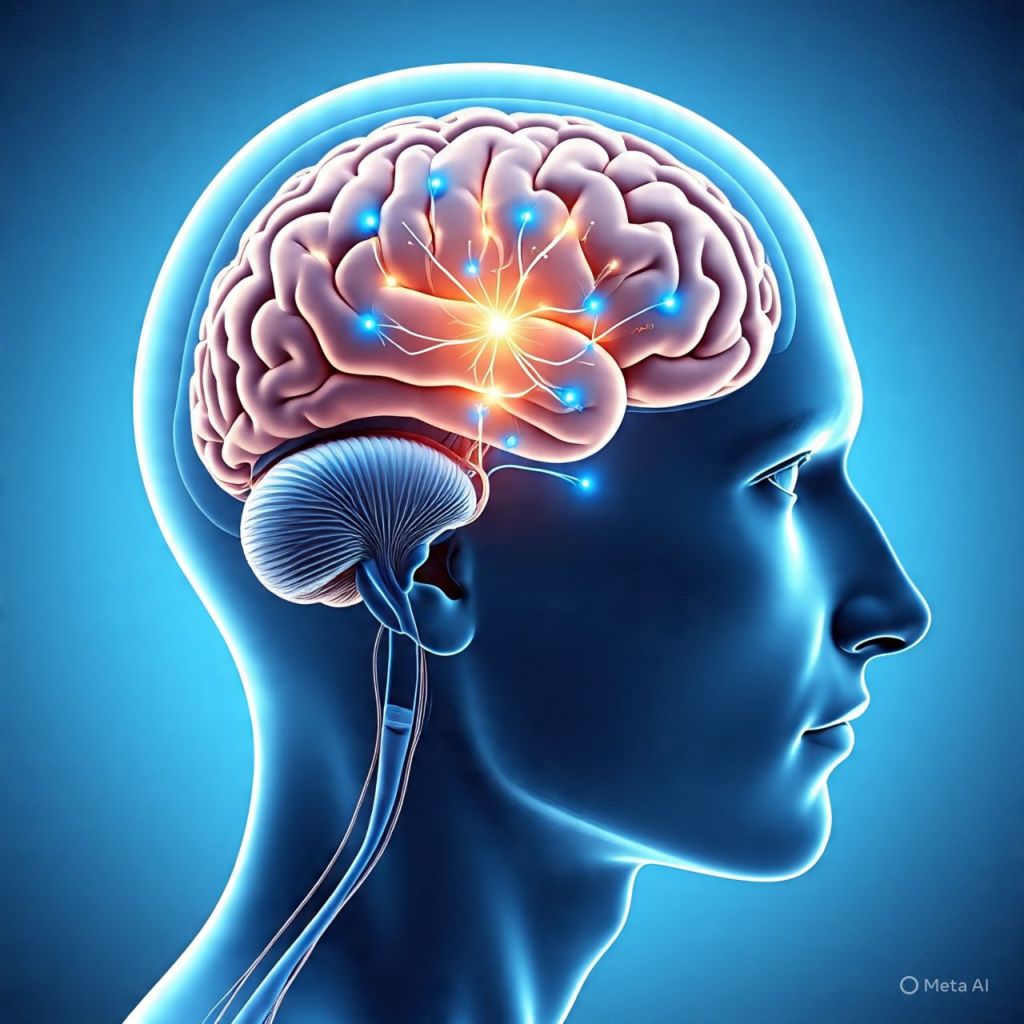
  • Psychoneuroimmunology: How Thoughts and Emotions Influence the Immune System and Healing|When The Body Speaks Online 📖

    March 8th, 2026

    Writer: Alfred Okoko, Founder of the Natural Remission Protocols
    “I help people reverse chronic conditions naturally and reclaim their health.”

    Psychoneuroimmunology

    Discover how psychoneuroimmunology reveals the powerful connection between the mind and immune system. Learn how thoughts, emotions, and stress hormones influence inflammation, healing, and recovery.

    Introduction

    For many years, medicine treated the mind and body as two completely separate systems.

    The brain handled thoughts and emotions.
    The immune system handled infections and disease.
    The body was seen as a collection of independent parts.

    But modern science has revealed a very different reality.

    Your mind, nervous system, hormones, and immune system are deeply interconnected. They constantly communicate with one another through complex biochemical signals.

    This fascinating field of research is known as psychoneuroimmunology.

    Psychoneuroimmunology studies how thoughts, emotions, and psychological states influence the immune system and the body’s healing processes.

    What researchers are discovering is both profound and empowering:

    Your mental and emotional environment can significantly affect your physical health.

    This does not mean that thoughts alone cure disease. But it does mean that the way we think, feel, and respond to stress can shape the internal conditions in which healing occurs.

    For those exploring Natural Remission Protocols, understanding this mind-body connection can be a powerful tool for supporting recovery.

    What Is Psychoneuroimmunology?

    The word psychoneuroimmunology may sound complicated, but it simply combines three major systems of the body:

    Psycho – the mind, thoughts, and emotions
    Neuro – the nervous system and brain
    Immunology – the immune system

    Psychoneuroimmunology explores how these systems interact and influence each other.

    Researchers have discovered that communication between these systems occurs through:

    • hormones
    • neurotransmitters
    • cytokines
    • nerve signals
    • immune messengers

    In other words, your thoughts and emotions are not just psychological experiences. They trigger real biological responses that travel throughout the body.

    These responses can influence:

    • immune strength
    • inflammation levels
    • hormone balance
    • pain sensitivity
    • recovery speed

    Understanding this connection opens a new perspective on health and healing.

    The Immune System Listens to the Brain

    Your immune system is often described as the body’s defense army.

    It protects you from:

    • viruses
    • bacteria
    • toxins
    • abnormal cells
    • environmental threats

    But this defense system does not operate independently.

    It constantly receives signals from the brain and nervous system.

    When the brain perceives safety and calm, the body shifts into rest-and-repair mode.

    During this state, the immune system can focus on:

    • repairing tissues
    • fighting infections
    • regulating inflammation
    • maintaining balance

    However, when the brain perceives danger or prolonged stress, the body activates the fight-or-flight response.

    This response is designed for short-term survival—but it can create problems when activated continuously.

    How Mental States Influence the Body

    Psychoneuroimmunology research has shown that mental and emotional states influence many aspects of health.

    These include:

    Immune Function

    Chronic stress can suppress certain immune responses, making the body more vulnerable to infections and slower healing.

    Positive emotional states, such as hope and calm, may support more balanced immune activity.

    Inflammation Levels

    Inflammation is a natural part of the immune response.

    However, long-term psychological stress can increase chronic inflammation, which has been linked to many health conditions.

    Reducing stress may help regulate inflammatory processes in the body.

    Hormone Balance

    Thoughts and emotions influence the release of hormones such as:

    • cortisol
    • adrenaline
    • serotonin
    • dopamine

    When these hormones remain balanced, the body functions more efficiently.

    But chronic emotional stress can disrupt hormonal stability.

    Pain Perception

    Pain is not only a physical sensation—it is also processed by the brain.

    Psychological factors such as anxiety, fear, and depression can amplify pain signals.

    Conversely, relaxation and positive emotional states may reduce pain sensitivity.

    Recovery Speed

    Research has shown that emotional wellbeing may influence recovery after surgery, injury, or illness.

    Patients with stronger social support and positive outlooks often demonstrate faster healing and improved outcomes.

    The Role of Cortisol: The Body’s Stress Hormone

    One of the most important hormones involved in psychoneuroimmunology is cortisol.

    Cortisol is produced by the adrenal glands and plays a crucial role in the body’s stress response.

    In short bursts, cortisol is beneficial. It helps the body respond to challenges by:

    • increasing alertness
    • mobilizing energy
    • sharpening focus

    However, problems arise when cortisol remains elevated for long periods.

    When someone lives in chronic fear, hopelessness, or stress, the body often produces higher levels of cortisol and other stress hormones.

    Over time, elevated cortisol can contribute to:

    • weakened immune defenses
    • increased inflammation
    • disrupted sleep patterns
    • hormonal imbalance
    • digestive issues
    • fatigue

    In this way, chronic stress can quietly undermine the body’s natural healing systems.

    Chronic Stress: A Hidden Health Threat

    Modern life exposes many people to continuous stress.

    Work pressure, financial worries, relationship struggles, health concerns, and information overload can keep the nervous system in a constant state of alert.

    The problem is that the human body was not designed for permanent stress activation.

    In ancient environments, stress responses were brief.

    A threat appeared, the body responded, and then the system returned to normal.

    Today, psychological stressors can persist for months or years.

    When the nervous system remains in survival mode, the body often sacrifices long-term maintenance processes like:

    • immune regulation
    • tissue repair
    • hormone balance
    • digestive health

    These disruptions may contribute to chronic symptoms and illness.

    Emotional States That Support Healing

    While chronic stress can weaken health, certain emotional states may support healing processes.

    Psychoneuroimmunology research suggests that emotions such as:

    • hope
    • gratitude
    • love
    • connection
    • optimism
    • purpose

    can positively influence the nervous and immune systems.

    These states help activate the parasympathetic nervous system, sometimes called the “rest-and-digest” system.

    When this system is active, the body prioritizes:

    • repair
    • immune regulation
    • digestion
    • energy restoration

    Creating emotional environments that support these states may help strengthen the body’s healing capacity.

    The Power of Social Connection

    Humans are social beings.

    Isolation and loneliness have been linked to increased stress hormones and weaker immune responses.

    On the other hand, supportive relationships can provide powerful health benefits.

    Social connection can:

    • reduce cortisol levels
    • improve emotional resilience
    • enhance immune function
    • improve recovery after illness

    This is why support networks often play a critical role in healing journeys.

    Whether it’s family, friends, support groups, or compassionate healthcare providers, connection helps the body feel safe enough to heal.

    Mindfulness and Stress Reduction

    Many Natural Remission Protocols include practices designed to calm the nervous system and reduce chronic stress.

    Some of the most effective approaches include:

    Meditation

    Meditation has been shown to reduce stress hormones and promote relaxation.

    Regular practice can improve emotional regulation and mental clarity.

    Deep Breathing

    Controlled breathing techniques help signal the nervous system that the body is safe.

    This can reduce anxiety and lower stress responses.

    Gentle Movement

    Activities such as walking, stretching, or yoga support circulation, mood, and nervous system balance.

    Movement also helps release tension stored in the body.

    Time in Nature

    Spending time outdoors has been associated with lower cortisol levels and improved mood.

    Nature exposure may also support immune health.

    Reframing Thoughts for Better Health

    Our thoughts shape how we interpret experiences.

    Two people can face the same challenge but respond in completely different ways.

    One person may feel overwhelmed and hopeless.

    Another may view the challenge as difficult but manageable.

    These mental interpretations influence emotional responses—and emotional responses influence biology.

    Learning to reframe thoughts can reduce unnecessary stress.

    Instead of thinking:

    “I will never recover.”

    A more balanced thought might be:

    “Recovery may take time, but I will support my body every step of the way.”

    This shift can help reduce fear-driven stress responses.

    Integrating Mind and Body in Healing

    Psychoneuroimmunology does not claim that thoughts alone cure disease.

    But it clearly shows that mental and emotional environments influence biological processes.

    For people exploring Natural Remission Protocols, this insight highlights the importance of addressing health from multiple angles.

    Healing may involve:

    • medical treatment
    • nutritional support
    • stress reduction
    • emotional healing
    • supportive relationships
    • positive lifestyle changes

    When the mind and body work together, the internal environment becomes far more supportive of recovery.

    Final Thoughts

    The field of psychoneuroimmunology has transformed our understanding of health.

    It shows that the mind is not separate from the body—it is deeply intertwined with every biological system.

    Thoughts and emotions influence:

    • immune activity
    • inflammation
    • hormone balance
    • pain perception
    • recovery processes

    Chronic fear, hopelessness, and stress can elevate cortisol and disrupt healing.

    But hope, calm, connection, and emotional resilience can help restore balance.

    Healing is rarely driven by a single factor.

    It is usually the result of many systems working together.

    By nurturing both mental and physical wellbeing, we create the conditions where the body’s natural healing intelligence can function at its best.

    And that understanding may be one of the most powerful tools available in the journey toward health and remission.

    More Articles
    • From Awareness to Action: How to Turn What You Know Into Real Health, Freedom, and Results|When The Body Speaks Online 📖
      Writer: Alfred Okoko, Founder of the Natural Remission Protocol.“I help people reverse chronic conditions naturally and reclaim their health.” Discover how to turn awareness into action with simple daily habits that support real health, freedom, and clarity. Learn how to stop overthinking and start living intentionally. Introduction Awareness is powerful. It opens your eyes.It changes… Read more: From Awareness to Action: How to Turn What You Know Into Real Health, Freedom, and Results|When The Body Speaks Online 📖
    • Common Mistakes People Make When Trying to Heal Naturally (And How to Avoid Them)|When The Body Speaks Online 📖
      Writer: Alfred Okoko, Founder of the Natural Remission Protocols“I help people reverse chronic conditions naturally and reclaim their health.” Avoid the most common mistakes people make when trying to heal naturally—learn what slows progress and how to achieve real, lasting results. Introduction Natural healing is powerful. It’s helped countless people reduce symptoms, regain energy, and… Read more: Common Mistakes People Make When Trying to Heal Naturally (And How to Avoid Them)|When The Body Speaks Online 📖
    • Erectile Dysfunction Home Remedies: Supporting Circulation, Confidence, and Whole-Body Health|When The Body Speaks Online 📖
      Discover supportive home remedies for erectile dysfunction that focus on circulation, stress reduction, and whole-body health. Natural strategies inspired by When The Body Speaks. Introduction Erectile dysfunction (ED) is often discussed only in physical terms, yet it is closely connected to circulation, stress levels, emotional wellbeing, energy balance, and lifestyle patterns. For many men, changes… Read more: Erectile Dysfunction Home Remedies: Supporting Circulation, Confidence, and Whole-Body Health|When The Body Speaks Online 📖
    • Psychoneuroimmunology: How Thoughts and Emotions Influence the Immune System and Healing|When The Body Speaks Online 📖
      Writer: Alfred Okoko, Founder of the Natural Remission Protocols“I help people reverse chronic conditions naturally and reclaim their health.” Discover how psychoneuroimmunology reveals the powerful connection between the mind and immune system. Learn how thoughts, emotions, and stress hormones influence inflammation, healing, and recovery. Introduction For many years, medicine treated the mind and body as… Read more: Psychoneuroimmunology: How Thoughts and Emotions Influence the Immune System and Healing|When The Body Speaks Online 📖
    • Belief Does Not Cure Disease—But It Can Open the Door to Healing|When The Body Speaks Online 📖
      Writer: Alfred Okoko, Founder of the Natural Remission Protocols“I help people reverse chronic conditions naturally and reclaim their health.” Belief alone may not cure disease, but it can powerfully influence healing. Discover how mindset, hope, and emotional resilience support the body’s natural recovery process. Introduction In the world of health and wellness, there are two… Read more: Belief Does Not Cure Disease—But It Can Open the Door to Healing|When The Body Speaks Online 📖
  • Belief Does Not Cure Disease—But It Can Open the Door to Healing|When The Body Speaks Online 📖

    March 8th, 2026

    Writer: Alfred Okoko, Founder of the Natural Remission Protocols
    “I help people reverse chronic conditions naturally and reclaim their health.”

    Healing Journey

    Belief alone may not cure disease, but it can powerfully influence healing. Discover how mindset, hope, and emotional resilience support the body’s natural recovery process.

    Introduction

    In the world of health and wellness, there are two extremes that often dominate the conversation.

    One side believes that mindset alone can cure any illness. The other insists that belief has absolutely no role in healing.

    The truth, as it often does, lies somewhere in the middle.

    Belief does not cure disease—but it can open the door to healing.

    This statement carries an important nuance. Diseases are complex biological processes. They involve cells, tissues, genetics, pathogens, inflammation, environmental exposures, and countless physiological factors.

    Yet the human body is not just a machine of organs and chemicals. It is deeply influenced by the mind, emotions, expectations, and perception of hope.

    Belief doesn’t replace medical care. It doesn’t magically erase illness. But it activates powerful internal systems that can support recovery, resilience, and wellbeing.

    Understanding this relationship may change how you approach health forever.

    Let’s explore why belief matters more than most people realize.

    The Missing Ingredient in Many Healing Journeys

    Imagine two people diagnosed with the same condition.

    Both receive similar treatment. Both have access to medical care. Both follow similar protocols.

    But their internal responses are completely different.

    One person thinks:

    • “My body is broken.”
    • “Nothing will help.”
    • “This disease will destroy me.”

    The other person believes:

    • “My body still has healing ability.”
    • “Recovery is possible.”
    • “I will do everything I can to support my health.”

    Their biology does not instantly change because of belief.

    But their behavior, resilience, stress response, and healing environment often do.

    And those differences can influence outcomes.

    Belief shapes:

    • Motivation to follow treatment
    • Willingness to adopt healthier habits
    • Stress hormone levels
    • Sleep quality
    • Emotional resilience
    • Social connection
    • Long-term health behaviors

    In other words, belief changes the conditions in which healing occurs.

    And conditions matter.

    The Mind–Body Connection Is Real

    For decades, scientists dismissed the idea that the mind could influence physical health.

    Today, entire fields such as psychoneuroimmunology study how thoughts and emotions affect the immune system and healing processes.

    Research has shown that mental states influence:

    • Immune function
    • Inflammation levels
    • Hormone balance
    • Pain perception
    • Recovery speed

    When someone lives in chronic fear, hopelessness, or stress, the body often produces higher levels of cortisol and stress hormones.

    These hormones can:

    • Suppress immune activity
    • Increase inflammation
    • Disrupt sleep
    • Slow recovery

    On the other hand, positive emotional states—such as hope, optimism, and calm—can support healthier physiological responses.

    Belief becomes a gateway to these beneficial states.

    It doesn’t cure disease directly.

    But it helps create a biological environment where healing becomes more possible.

    Why Hope Is a Biological Force

    Hope is often dismissed as something emotional or psychological.

    But hope can influence biology in surprising ways.

    People who maintain hope during illness often:

    • Stick to treatment plans longer
    • Maintain healthier routines
    • Experience lower levels of chronic stress
    • Stay socially connected
    • Maintain motivation to recover

    Hope keeps people engaged in their healing journey.

    Without hope, many people unconsciously give up.

    They skip treatments.

    They stop exercising.

    They isolate themselves.

    They lose the energy to care for their bodies.

    In this way, belief acts like fuel for the healing process.

    It keeps the engine running.

    The Placebo Effect: Proof That Belief Changes the Body

    One of the most fascinating demonstrations of belief’s power is the placebo effect.

    In medical studies, some participants receive a treatment with no active ingredient.

    Yet many still experience real improvements.

    Pain decreases.

    Symptoms improve.

    Recovery accelerates.

    How?

    Because the brain expects healing.

    That expectation can trigger measurable physiological changes such as:

    • Endorphin release
    • Dopamine activation
    • Pain modulation
    • Nervous system shifts

    This does not mean belief cures serious disease.

    But it clearly demonstrates something profound:

    The brain can influence the body in powerful ways.

    Belief activates internal mechanisms that medicine is still trying to fully understand.

    Healing Is More Than Removing Disease

    When people hear the word “healing,” they often think only about eliminating illness.

    But healing is broader than that.

    Healing can include:

    • Reducing suffering
    • Improving quality of life
    • Restoring emotional balance
    • Regaining strength and energy
    • Supporting the body’s repair processes
    • Finding meaning during adversity

    A person may still have a disease yet experience profound healing in their body and life.

    Belief often plays a central role in this transformation.

    It opens the door to:

    • resilience
    • courage
    • lifestyle change
    • emotional recovery
    • renewed purpose

    Healing is not always about perfect health.

    Sometimes it’s about restoring wholeness.

    Belief Encourages Health-Supporting Behaviors

    One of the most practical benefits of belief is how it influences behavior.

    When someone believes their actions matter, they are more likely to:

    • Eat nourishing foods
    • Stay physically active
    • prioritize sleep
    • manage stress
    • follow medical guidance
    • build supportive relationships

    These behaviors strongly influence health outcomes.

    Without belief, motivation collapses.

    A person who thinks nothing will help often stops trying.

    Belief creates the psychological energy required to maintain healthy habits long enough to see results.

    Stress, Fear, and the Healing Barrier

    Fear is one of the most powerful barriers to healing.

    Serious illness naturally creates fear.

    But chronic fear can trap the body in a prolonged stress response.

    When the nervous system remains in fight-or-flight mode for extended periods, several things happen:

    • inflammation increases
    • immune defenses weaken
    • sleep quality declines
    • digestion suffers
    • tissue repair slows

    Belief helps calm this stress response.

    It reassures the nervous system that recovery is possible.

    Even small shifts in perception can help the body move from survival mode into rest-and-repair mode, where healing processes function more effectively.

    The Emotional Side of Illness

    Illness is rarely just physical.

    Many people quietly experience:

    • grief
    • anger
    • frustration
    • loneliness
    • anxiety

    These emotional burdens can weigh heavily on the body.

    Belief doesn’t erase these feelings, but it can help people navigate them with resilience.

    When someone believes healing is still possible, they are more likely to:

    • seek support
    • talk openly about struggles
    • engage in therapy or counseling
    • build stronger relationships

    Emotional healing often supports physical recovery.

    The body and mind rarely operate separately.

    The Role of Meaning in Healing

    Many people who face serious health challenges report a surprising experience.

    Their illness becomes a turning point.

    It forces them to reevaluate:

    • priorities
    • relationships
    • purpose
    • lifestyle

    Some discover deeper meaning in life.

    Others develop new passions for helping people.

    Some reconnect with spirituality or personal growth.

    Belief helps people find meaning within adversity.

    And meaning itself can become a powerful source of psychological strength.

    People with a strong sense of purpose often demonstrate greater resilience during illness.

    Realistic Belief vs. Magical Thinking

    It’s important to clarify something.

    Healthy belief is not the same as magical thinking.

    Magical thinking says:

    • “If I believe hard enough, disease will disappear.”

    Healthy belief says:

    • “My body has healing potential.”
    • “Medical care and healthy habits can support recovery.”
    • “I will give my body every possible advantage.”

    The goal is empowered realism, not denial of medical reality.

    Belief should complement:

    • medical treatment
    • evidence-based care
    • healthy lifestyle choices
    • emotional support

    Healing works best when mindset and medicine cooperate.

    Practical Ways to Cultivate Healing Belief

    Belief is not something you either have or don’t have.

    It can be strengthened.

    Here are several ways to nurture a healing mindset.

    1. Focus on Possibility

    Even in serious illness, improvement is often possible.

    Small improvements matter.

    Celebrate progress rather than obsessing over limitations.

    2. Surround Yourself With Support

    Hope grows stronger when shared.

    Friends, family, support groups, and caring professionals help reinforce belief.

    3. Learn About the Body’s Healing Abilities

    The human body is incredibly adaptive.

    Learning about regeneration, immune defense, and recovery can strengthen trust in the body.

    4. Reduce Fear-Driven Information Overload

    Constant exposure to frightening health information can amplify anxiety.

    Choose balanced, credible sources.

    5. Practice Stress-Reduction Techniques

    Activities like:

    • meditation
    • breathing exercises
    • gentle movement
    • time in nature

    help calm the nervous system and support healing processes.

    6. Maintain Purpose

    Even during illness, meaningful activities can sustain hope and emotional wellbeing.

    Purpose fuels belief.

    Stories of Resilience

    Across the world, countless people have demonstrated extraordinary resilience during illness.

    Some recover unexpectedly.

    Others adapt and live meaningful lives despite chronic conditions.

    What many of these individuals share is not denial of reality—but unwavering belief that their lives still hold value and possibility.

    That belief motivates them to:

    • seek the best care
    • nourish their bodies
    • stay mentally strong
    • support others facing similar struggles

    Belief becomes the spark that keeps the healing journey alive.

    Healing Is a Partnership

    True healing rarely comes from a single source.

    It usually involves a partnership between:

    • medicine
    • lifestyle
    • emotional health
    • supportive relationships
    • mindset

    Belief plays a critical role within that partnership.

    It aligns the mind with the goal of recovery.

    It motivates action.

    It reduces harmful stress.

    It nurtures hope.

    It strengthens resilience.

    And sometimes, that combination creates outcomes that surprise even the experts.

    A New Way to Think About Healing

    The phrase “belief does not cure disease—but it can open the door to healing” invites a more balanced understanding of health.

    Disease is biological.

    But healing is biological, psychological, emotional, and social.

    Belief does not replace treatment.

    But without belief, many people never fully engage in the healing process.

    Belief opens the door.

    Action walks through it.

    Support sustains the journey.

    And the body—remarkably complex and adaptive—does the rest.

    Final Thoughts

    Healing is rarely a straight path.

    There are setbacks, doubts, and difficult days.

    But belief can serve as a quiet but powerful companion along the way.

    It whispers:

    • “Keep going.”
    • “Your body still has strength.”
    • “Your story is not finished.”

    Belief alone may not cure disease.

    But it can awaken courage, resilience, and hope.

    And sometimes, those qualities become the very forces that help the body rediscover its path toward healing.

    More Articles
    • From Awareness to Action: How to Turn What You Know Into Real Health, Freedom, and Results|When The Body Speaks Online 📖
      Writer: Alfred Okoko, Founder of the Natural Remission Protocol.“I help people reverse chronic conditions naturally and reclaim their health.” Discover how to turn awareness into action with simple daily habits that support real health, freedom, and clarity. Learn how to stop overthinking and start living intentionally. Introduction Awareness is powerful. It opens your eyes.It changes… Read more: From Awareness to Action: How to Turn What You Know Into Real Health, Freedom, and Results|When The Body Speaks Online 📖
    • Common Mistakes People Make When Trying to Heal Naturally (And How to Avoid Them)|When The Body Speaks Online 📖
      Writer: Alfred Okoko, Founder of the Natural Remission Protocols“I help people reverse chronic conditions naturally and reclaim their health.” Avoid the most common mistakes people make when trying to heal naturally—learn what slows progress and how to achieve real, lasting results. Introduction Natural healing is powerful. It’s helped countless people reduce symptoms, regain energy, and… Read more: Common Mistakes People Make When Trying to Heal Naturally (And How to Avoid Them)|When The Body Speaks Online 📖
    • Erectile Dysfunction Home Remedies: Supporting Circulation, Confidence, and Whole-Body Health|When The Body Speaks Online 📖
      Discover supportive home remedies for erectile dysfunction that focus on circulation, stress reduction, and whole-body health. Natural strategies inspired by When The Body Speaks. Introduction Erectile dysfunction (ED) is often discussed only in physical terms, yet it is closely connected to circulation, stress levels, emotional wellbeing, energy balance, and lifestyle patterns. For many men, changes… Read more: Erectile Dysfunction Home Remedies: Supporting Circulation, Confidence, and Whole-Body Health|When The Body Speaks Online 📖
    • Psychoneuroimmunology: How Thoughts and Emotions Influence the Immune System and Healing|When The Body Speaks Online 📖
      Writer: Alfred Okoko, Founder of the Natural Remission Protocols“I help people reverse chronic conditions naturally and reclaim their health.” Discover how psychoneuroimmunology reveals the powerful connection between the mind and immune system. Learn how thoughts, emotions, and stress hormones influence inflammation, healing, and recovery. Introduction For many years, medicine treated the mind and body as… Read more: Psychoneuroimmunology: How Thoughts and Emotions Influence the Immune System and Healing|When The Body Speaks Online 📖
    • Belief Does Not Cure Disease—But It Can Open the Door to Healing|When The Body Speaks Online 📖

      Writer: Alfred Okoko, Founder of the Natural Remission Protocols“I help people reverse chronic conditions naturally and reclaim their health.” Belief alone may not cure disease, but it can powerfully influence healing. Discover how mindset, hope, and emotional resilience support the body’s natural recovery process. Introduction In the world of health and wellness, there are two… Read more: Belief Does Not Cure Disease—But It Can Open the Door to Healing|When The Body Speaks Online 📖

  • Healing Begins When You Stop Treating Symptoms as Enemies and Start Seeing Them as Signals|When The Body Speaks Online 📖

    March 8th, 2026

    Writer: Alfred Okoko, Founder of the Natural Remission Protocol.
    “I help people reverse chronic conditions naturally and reclaim their health.”

    Natural Remission

    Healing often begins when we stop fighting symptoms and start understanding them as signals from the body. Discover how listening to your body can transform your health and support natural remission.

    Introduction

    In modern healthcare, symptoms are often treated like enemies.

    Pain must be silenced.
    Inflammation must be suppressed.
    Fatigue must be ignored.
    Digestive discomfort must be quickly eliminated.

    The goal is usually simple: make the symptom disappear as quickly as possible.

    But what if symptoms are not enemies?

    What if they are messages?

    What if the body is not malfunctioning—but communicating?

    This idea lies at the heart of many Natural Remission Protocols. Instead of simply silencing symptoms, these approaches encourage us to understand what the body is trying to say.

    Because in many cases, symptoms are not the problem.

    They are the body’s alarm system.

    And healing often begins the moment we start listening.


    Your Body Speaks Through Symptoms

    The human body is extraordinarily intelligent.

    Every second, it is monitoring:

    • nutrient levels
    • toxins
    • inflammation
    • infections
    • stress hormones
    • blood sugar
    • oxygen
    • immune activity

    When something falls out of balance, the body doesn’t stay silent.

    It sends signals.

    These signals often appear as symptoms such as:

    • fatigue
    • pain
    • headaches
    • skin problems
    • digestive issues
    • inflammation
    • sleep disturbances

    From a survival perspective, symptoms are protective responses.

    They are not random.

    They are the body’s way of saying:

    “Something needs attention.”

    The Problem With Suppressing Every Symptom

    Modern medicine has produced incredible tools that save lives.

    But in everyday health situations, there is often a tendency to suppress symptoms without exploring their root causes.

    For example:

    • Chronic headaches may be repeatedly treated with painkillers.
    • Digestive issues may be treated with acid blockers.
    • Skin conditions may be treated with steroid creams.
    • Fatigue may be masked with caffeine.

    While these treatments can provide temporary relief, they may not always address why the symptom appeared in the first place.

    When symptoms are constantly silenced, the body may respond by sending louder signals later.

    This doesn’t mean treatments are wrong.

    It simply means that true healing often requires deeper investigation.

    Symptoms Are Clues, Not Failures

    Think of symptoms the way you would think about the warning lights on a car dashboard.

    If the oil warning light appears, smashing the light bulb does not solve the problem.

    The light exists to alert you that something important needs attention.

    Symptoms work in a similar way.

    They might indicate:

    • nutritional deficiencies
    • chronic stress
    • environmental toxins
    • gut imbalance
    • sleep deprivation
    • hormonal disruption
    • immune overload

    When we start asking “Why is this symptom happening?”, we move from symptom suppression to root-cause exploration.

    That shift is often where healing begins.

    Natural Remission Protocols Focus on Root Causes

    Natural remission protocols are not about ignoring medical care or rejecting modern treatments.

    Instead, they expand the focus.

    They ask deeper questions such as:

    • What lifestyle factors may be contributing to illness?
    • Are there chronic stress patterns affecting the body?
    • Is nutrition supporting or undermining health?
    • Are environmental toxins playing a role?
    • Is the immune system overloaded?

    By exploring these questions, many people discover that their symptoms were early warning signs of deeper imbalances.

    Addressing those imbalances often improves overall health.

    The Body’s Five Major Warning Systems

    Symptoms typically arise from a few key biological systems that regulate health.

    Understanding these systems helps us interpret the signals the body sends.

    1. The Inflammatory System

    Inflammation is the body’s defense mechanism against injury and infection.

    Short-term inflammation helps healing.

    But chronic inflammation may produce symptoms such as:

    • joint pain
    • fatigue
    • skin conditions
    • digestive discomfort

    Inflammation often signals that the body is responding to stress, toxins, poor diet, or immune triggers.

    2. The Gut and Digestive System

    The digestive system does far more than process food.

    It houses trillions of microbes that influence:

    • immunity
    • metabolism
    • mood
    • nutrient absorption

    Symptoms like bloating, constipation, reflux, or food sensitivities often signal gut imbalance.

    Restoring gut health can dramatically influence overall wellness.

    3. The Nervous System

    Chronic stress activates the body’s fight-or-flight response.

    When stress becomes constant, symptoms may include:

    • fatigue
    • anxiety
    • sleep disturbances
    • digestive problems
    • weakened immunity

    These signals suggest the nervous system needs rest, recovery, and balance.

    4. The Detoxification System

    The liver, kidneys, skin, and lymphatic system work continuously to remove waste and toxins.

    If detox pathways become overwhelmed, symptoms may appear such as:

    • headaches
    • skin eruptions
    • brain fog
    • fatigue

    These symptoms may reflect the body’s attempt to eliminate excess burden.

    5. The Immune System

    The immune system protects us from pathogens and abnormal cells.

    But when it becomes dysregulated, symptoms may include:

    • chronic inflammation
    • autoimmune responses
    • frequent infections

    Immune symptoms often indicate deeper imbalances in nutrition, gut health, stress, or environment.

    Listening to Your Body Changes Everything

    When people begin viewing symptoms as signals, their relationship with their body often changes dramatically.

    Instead of feeling betrayed by their body, they start asking:

    • What might my body be asking for?
    • What changes could support healing?
    • What patterns might be contributing to this symptom?

    This perspective encourages curiosity rather than frustration.

    Curiosity leads to discovery.

    Discovery leads to change.

    And change opens the door to healing.

    Common Signals the Body Sends

    Let’s look at several common symptoms and what they might be trying to communicate.

    Chronic Fatigue

    Fatigue may signal:

    • poor sleep quality
    • nutrient deficiencies
    • adrenal stress
    • chronic inflammation

    Rather than pushing through exhaustion, the body may be asking for rest and restoration.

    Digestive Discomfort

    Digestive symptoms often point to:

    • food sensitivities
    • gut microbiome imbalance
    • chronic stress
    • low stomach acid

    Improving gut health frequently improves many other areas of wellness.

    Skin Issues

    The skin often reflects internal health.

    Conditions like acne, eczema, or rashes may signal:

    • inflammation
    • detox overload
    • hormonal imbalance
    • food triggers

    Addressing internal health often improves skin conditions naturally.

    Chronic Pain

    Pain is one of the body’s most powerful signals.

    It may indicate:

    • inflammation
    • injury
    • posture imbalance
    • nervous system stress

    Understanding the source of pain helps guide effective solutions.

    How Natural Remission Protocols Use These Signals

    Natural remission protocols encourage people to interpret symptoms as valuable feedback.

    Instead of asking only “How do I stop this symptom?” they ask:

    • “What caused this imbalance?”
    • “What lifestyle changes support healing?”
    • “What habits may be contributing to the problem?”

    These protocols often focus on improving foundational health factors such as:

    • nutrition
    • sleep
    • stress management
    • movement
    • detox support
    • emotional wellbeing

    Strengthening these foundations often improves the body’s ability to recover.

    The Role of Nutrition in Interpreting Symptoms

    Food is one of the most powerful influences on health.

    Symptoms like fatigue, inflammation, or digestive distress may signal that the body needs better nutritional support.

    Healing diets often emphasize:

    • whole foods
    • vegetables and fruits
    • healthy fats
    • adequate protein
    • reduced processed foods

    These dietary shifts can dramatically reduce inflammation and support healing systems.

    Stress: The Hidden Driver of Many Symptoms

    One of the most overlooked causes of chronic symptoms is stress.

    Long-term stress can disrupt:

    • digestion
    • hormone balance
    • sleep
    • immune function

    Learning to manage stress through:

    • meditation
    • breathing exercises
    • nature exposure
    • supportive relationships

    can significantly improve physical health.

    Sometimes the body’s symptoms are simply asking us to slow down.

    Rebuilding Trust With Your Body

    Many people with chronic illness feel betrayed by their bodies.

    But when symptoms are viewed as signals, a new relationship becomes possible.

    Instead of anger, there can be partnership.

    Instead of fighting the body, there can be cooperation.

    The body is not the enemy.

    It is often doing everything it can to protect and repair itself.

    Symptoms are often evidence of that effort.

    Healing Is a Process of Listening

    Healing rarely happens overnight.

    It is usually a gradual process of:

    • listening
    • learning
    • adjusting habits
    • supporting the body’s natural systems

    Over time, as root causes are addressed, symptoms may begin to improve.

    And each improvement becomes a sign that the body is responding.

    Final Thoughts

    Symptoms are not always comfortable.

    They can be frustrating, painful, and frightening.

    But they are rarely meaningless.

    They are signals.

    Messages.

    Requests for attention.

    Healing often begins the moment we stop treating symptoms like enemies and start asking what they are trying to tell us.

    When we listen carefully, the body often reveals the path toward balance, resilience, and recovery.

    And that shift—from suppression to understanding—is one of the most powerful foundations of Natural Remission Protocols.

    More Articles
    • From Awareness to Action: How to Turn What You Know Into Real Health, Freedom, and Results|When The Body Speaks Online 📖
      Writer: Alfred Okoko, Founder of the Natural Remission Protocol.“I help people reverse chronic conditions naturally and reclaim their health.” Discover how to turn awareness into action with simple daily habits that support real health, freedom, and clarity. Learn how to stop overthinking and start living intentionally. Introduction Awareness is powerful. It opens your eyes.It changes… Read more: From Awareness to Action: How to Turn What You Know Into Real Health, Freedom, and Results|When The Body Speaks Online 📖
    • Common Mistakes People Make When Trying to Heal Naturally (And How to Avoid Them)|When The Body Speaks Online 📖
      Writer: Alfred Okoko, Founder of the Natural Remission Protocols“I help people reverse chronic conditions naturally and reclaim their health.” Avoid the most common mistakes people make when trying to heal naturally—learn what slows progress and how to achieve real, lasting results. Introduction Natural healing is powerful. It’s helped countless people reduce symptoms, regain energy, and… Read more: Common Mistakes People Make When Trying to Heal Naturally (And How to Avoid Them)|When The Body Speaks Online 📖
    • Erectile Dysfunction Home Remedies: Supporting Circulation, Confidence, and Whole-Body Health|When The Body Speaks Online 📖
      Discover supportive home remedies for erectile dysfunction that focus on circulation, stress reduction, and whole-body health. Natural strategies inspired by When The Body Speaks. Introduction Erectile dysfunction (ED) is often discussed only in physical terms, yet it is closely connected to circulation, stress levels, emotional wellbeing, energy balance, and lifestyle patterns. For many men, changes… Read more: Erectile Dysfunction Home Remedies: Supporting Circulation, Confidence, and Whole-Body Health|When The Body Speaks Online 📖
    • Psychoneuroimmunology: How Thoughts and Emotions Influence the Immune System and Healing|When The Body Speaks Online 📖
      Writer: Alfred Okoko, Founder of the Natural Remission Protocols“I help people reverse chronic conditions naturally and reclaim their health.” Discover how psychoneuroimmunology reveals the powerful connection between the mind and immune system. Learn how thoughts, emotions, and stress hormones influence inflammation, healing, and recovery. Introduction For many years, medicine treated the mind and body as… Read more: Psychoneuroimmunology: How Thoughts and Emotions Influence the Immune System and Healing|When The Body Speaks Online 📖
    • Belief Does Not Cure Disease—But It Can Open the Door to Healing|When The Body Speaks Online 📖

      Writer: Alfred Okoko, Founder of the Natural Remission Protocols“I help people reverse chronic conditions naturally and reclaim their health.” Belief alone may not cure disease, but it can powerfully influence healing. Discover how mindset, hope, and emotional resilience support the body’s natural recovery process. Introduction In the world of health and wellness, there are two… Read more: Belief Does Not Cure Disease—But It Can Open the Door to Healing|When The Body Speaks Online 📖

  • How to Support Your Joints Throughout the Day to Minimize Pain and Inflammation|When The Body Speaks Online 📖

    March 8th, 2026

    Writer: Alfred Okoko, Founder of the Natural Remission Protocols
    “I help people reverse chronic conditions naturally and reclaim their health.”

    Discover practical ways to support your joints all day long! Learn expert tips, exercises, and lifestyle habits to minimize joint pain and inflammation naturally.

    Introduction

    Your joints are the unsung heroes of your body. From morning to night, they keep you moving, lifting, and enjoying life. But when pain and inflammation strike, every step can feel like a challenge. The good news? With simple daily habits, you can support your joints, reduce inflammation, and maintain mobility for years to come.

    Here’s a complete, practical guide that will help you care for your joints throughout the day.

    Table of Contents

    1. Wake Up Your Joints with Gentle Morning Movement
    2. Mind Your Posture: Your Joints Will Thank You
    3. Hydrate: Water is Your Joint’s Best Friend
    4. Strengthen Muscles Around Your Joints
    5. Low-Impact Cardio Protects Your Joints
    6. Anti-Inflammatory Nutrition
    7. Smart Supplements for Joint Health
    8. Take Frequent Breaks
    9. Wear Proper Footwear
    10. Manage Stress
    11. Listen to Your Body
    12. Nighttime Habits for Joint Recovery
    13. Real-Life Examples: Small Changes, Big Results
    14. Conclusion: Consistency is Key

    Wake Up Your Joints with Gentle Morning Movement

    Morning stiffness is common, especially in knees, hips, and shoulders. Gentle movement wakes up your joints, increases circulation, and lubricates cartilage for a smooth start to your day.

    Morning Joint Wake-Up Routine:

    • Neck Rotations: Slowly rotate clockwise and counterclockwise.
    • Shoulder Circles: Shrug and roll forward/backward.
    • Wrist Flexes: Stretch wrists and fingers if you type a lot.
    • Hip Openers: Rotate legs outward while lying on your back.
    • Ankle Circles: Move each ankle in circles to activate synovial fluid.

    Even 5–10 minutes can drastically reduce stiffness. Think of it as oiling the hinges—your joints will glide smoothly through the day.

    Mind Your Posture: Your Joints Will Thank You

    Poor posture puts uneven stress on your knees, hips, and spine. Over time, this can lead to chronic pain.

    Simple Tips:

    • Sitting: Feet flat, back supported, shoulders relaxed.
    • Standing: Distribute weight evenly, keep knees soft.
    • Lifting: Bend at knees, hold objects close to your body.
    • Screen Time: Keep monitors at eye level.

    Small adjustments prevent unnecessary stress on your joints and keep inflammation at bay.

    Hydrate: Water is Your Joint’s Best Friend

    Hydration supports synovial fluid, the natural lubricant in your joints. Dehydration can cause stiffness and inflammation.

    Hydration Tips:

    • Drink 8–10 glasses daily.
    • Eat water-rich foods: cucumber, watermelon, oranges.
    • Limit alcohol and excess caffeine.

    Think of hydration as keeping your joints well-oiled, reducing friction and pain.

    Strengthen Muscles Around Your Joints

    Strong muscles protect joints by absorbing shock. Weak muscles make your joints work harder, increasing pain and inflammation.

    Key Exercises:

    • Knees: Squats, lunges, leg presses.
    • Hips: Glute bridges, side leg lifts.
    • Shoulders: Rows, shoulder presses.
    • Wrists/Elbows: Wrist rotations, bicep curls, tricep extensions.

    Even 10 minutes a day of strength exercises can reduce discomfort and protect joints long-term.

    Low-Impact Cardio Protects Your Joints

    High-impact workouts like running on concrete can stress joints. Low-impact cardio strengthens muscles without excessive strain.

    Options:

    • Swimming: Water supports your body while providing resistance.
    • Cycling: Gentle on knees and hips.
    • Elliptical: Mimics running without impact.
    • Walking: On soft trails or tracks.

    20–30 minutes daily keeps joints flexible, reduces inflammation, and boosts energy.

    Anti-Inflammatory Nutrition

    Your diet directly affects joint health. Some foods calm inflammation, while others trigger it.

    Anti-Inflammatory Foods:

    • Fatty fish: Salmon, sardines, mackerel
    • Leafy greens: Spinach, kale, broccoli
    • Berries: Blueberries, strawberries, cherries
    • Nuts & seeds: Almonds, walnuts, chia, flax
    • Spices: Turmeric, ginger, garlic

    Foods to Limit:

    • Sugary drinks and sweets
    • Refined carbs (white bread, pastries)
    • Processed meats and fried foods

    Even small dietary changes can lead to noticeable improvements in joint comfort within weeks.

    Smart Supplements for Joint Health

    Supplements can fill nutritional gaps and support joint structure. Always consult a professional before adding them.

    Effective Options:

    • Glucosamine & Chondroitin
    • Omega-3 Fish Oil
    • Vitamin D & Calcium
    • Collagen
    • Turmeric/Curcumin

    Used correctly, supplements can help maintain joint integrity and reduce inflammation.

    Take Frequent Breaks

    Prolonged sitting or standing stresses joints. Micro-breaks keep joints flexible.

    Daily Habits:

    • Stand and stretch every hour
    • Walk around your office or home
    • Perform light joint mobility exercises

    Even 2–3 minutes per hour can improve comfort and reduce stiffness.

    Wear Proper Footwear

    Your feet are the foundation of your body. Poor footwear misaligns knees, hips, and spine, causing pain.

    • Replace shoes every 300–500 miles
    • Choose supportive shoes with cushioning
    • Use orthotics if necessary

    Proper footwear reduces joint stress and inflammation.

    Manage Stress

    Stress triggers inflammation, which can worsen joint pain.

    Techniques:

    • Deep breathing or meditation
    • Yoga or tai chi
    • Mindful walking

    Reducing stress helps keep inflammation low, protecting your joints.

    Listen to Your Body

    Pain is your body’s way of signaling something is wrong. Ignoring it can lead to chronic issues.

    • Adjust activity levels if joints hurt
    • Use ice or heat for inflammation
    • Consult a professional if pain persists

    Listening to your body is a simple but powerful joint protection tool.

    Nighttime Habits for Joint Recovery

    Sleep is when your body repairs joints.

    Tips:

    • Support knees and hips with pillows
    • Sleep on a supportive mattress
    • Gentle stretches or warm bath before bed

    Good sleep reduces inflammation and promotes joint recovery.

    Real-Life Examples: Small Changes, Big Results

    • Maria, a busy mom, added morning stretches, daily walks, and anti-inflammatory meals. She noticed reduced knee pain and more energy within a month.
    • James, a retired teacher, switched to low-impact exercises and supportive shoes. He could walk his dog comfortably again after weeks of consistent effort.

    These examples prove that small, consistent habits create big improvements in joint health.

    Conclusion: Consistency is Key

    Supporting your joints doesn’t require drastic changes. Small, daily habits—movement, posture, hydration, nutrition, and stress management—add up to long-term joint health.

    Your joints work tirelessly for you—return the favor. Start today, and your future self—and your joints—will thank you.

  • Simple Daily Habits That Reduce Arthritis Flare-Ups|When The Body Speaks Online 📖

    March 7th, 2026

    Writer: Alfred Okoko, Founder of the Natural Remission Protocols
    “I help people reverse chronic conditions naturally and reclaim their health.”

    Daily Habits For Health

    Discover simple daily habits that reduce arthritis flare-ups naturally. Learn practical routines that calm inflammation, protect joints, and support pain-free movement.

    Introduction

    Relief from arthritis is rarely found in dramatic moments. It grows from small, consistent choices repeated quietly each day.

    A gentle stretch before stepping out of bed. A warm drink that soothes rather than stimulates inflammation. A pause to breathe instead of pushing through tension. These simple habits may appear insignificant — yet the body experiences them as powerful signals of safety and balance.

    Arthritis flare-ups often feel unpredictable, but they are not random. They are influenced by inflammation levels, joint stress, nervous system sensitivity, and daily patterns of care. When these patterns shift, flare frequency and intensity often shift as well.

    The goal is not perfection. The goal is rhythm — daily signals that support calm rather than irritation.

    Let’s explore the habits that help joints remain steady, supported, and resilient.

    Why Daily Habits Matter More Than Occasional Effort

    Inflammation behaves like a dimmer switch, not an on/off button. Each day either nudges it upward or downward.

    Habits influence:

    • Immune system reactivity
    • Joint lubrication and circulation
    • Muscle tension surrounding joints
    • Stress hormone balance
    • Pain sensitivity

    One supportive action may not eliminate discomfort. But repeated supportive actions create an environment in which flare-ups become less frequent and less intense.

    1. Start the Morning with Gentle Joint Awakening

    After hours of stillness, joints often feel stiff because synovial fluid has settled and surrounding muscles have tightened protectively. Gentle morning movement restores circulation and signals safety to the nervous system.

    Helpful morning practices:

    • Slow range-of-motion movements
    • Gentle stretching without forcing depth
    • Warm shower to relax tissue
    • Brief mindful breathing

    This is not exercise — it is awakening. Movement should feel exploratory rather than corrective.

    When joints begin the day with circulation and warmth, they are less likely to flare under stress.

    2. Eat One Anti-Inflammatory Meal Every Day

    Nutrition shapes the chemical environment in which arthritis exists. Even one daily anti-inflammatory meal can shift inflammatory signaling over time.

    A joint-supportive meal often includes:

    • Healthy fats (olive oil, nuts, fatty fish)
    • Colorful vegetables
    • Antioxidant-rich foods like berries
    • Spices such as turmeric or ginger

    Consistency matters more than complexity. The body responds to repeated signals of nourishment.

    3. Move Frequently, Even If Gently

    Stillness increases stiffness. But movement does not need to be intense to be effective.

    Regular low-impact movement:

    • Improves joint lubrication
    • Reduces muscle guarding
    • Enhances circulation
    • Maintains mobility confidence

    Helpful daily movement habits:

    • Short walks
    • Gentle yoga or mobility sessions
    • Standing and moving regularly during sedentary work
    • Slow, controlled bodyweight movements

    Movement should communicate safety, not strain.

    4. Stay Warm and Protect Vulnerable Joints

    Temperature strongly influences joint comfort. Cold environments can increase muscle tension and stiffness around affected areas.

    Simple protective habits include:

    • Wearing supportive layers
    • Using warmth on stiff joints
    • Avoiding prolonged exposure to cold surfaces
    • Maintaining comfortable indoor temperature

    Warmth improves circulation and reduces protective tension — two key factors in preventing flare-ups.

    5. Hydrate for Joint Lubrication

    Cartilage depends on fluid balance to cushion movement. Even mild dehydration can increase friction within joints.

    Supportive hydration habits:

    • Drink water consistently throughout the day
    • Include hydrating foods such as cucumbers and citrus
    • Reduce excessive caffeine if it disrupts hydration balance

    Hydration does not eliminate inflammation alone, but it improves the environment in which joints function.

    6. Reduce Invisible Stress Load

    The nervous system influences inflammation and pain sensitivity. Chronic stress keeps the body in a protective state, amplifying discomfort even without structural change.

    Daily calming practices reduce this reactivity.

    Helpful stress-regulating habits:

    • Slow breathing for a few minutes
    • Time outdoors
    • Quiet reflection
    • Gentle mindfulness

    Stress reduction is not a luxury — it is physiological regulation.

    7. Support Sleep Quality Every Night

    Sleep is when inflammation is regulated and tissue repair accelerates. Even small improvements in sleep consistency can reduce flare frequency.

    Daily sleep-support habits:

    • Maintain a consistent bedtime
    • Reduce stimulation before sleep
    • Support joint comfort with positioning
    • Create a calm, predictable evening routine

    Restorative sleep lowers pain sensitivity and improves resilience to daily stress.

    8. Pace Activity to Prevent Overload

    Flare-ups often follow cycles of overexertion followed by forced rest. Consistent pacing prevents joint overload.

    Practical pacing strategies:

    • Break tasks into manageable segments
    • Alternate activity with short rest periods
    • Stop before exhaustion
    • Respect early signs of fatigue

    Sustainable activity protects joints more effectively than bursts of effort.

    9. Maintain Supportive Posture Throughout the Day

    Joint stress accumulates through posture and movement patterns. Gentle awareness of alignment reduces unnecessary strain.

    Helpful adjustments:

    • Sit with balanced support
    • Avoid prolonged static positions
    • Use ergonomic supports when needed
    • Move regularly rather than holding one posture

    Posture is not rigidity — it is balanced support.

    10. End the Day with Release, Not Tension

    Evening tension often carries into the night, increasing stiffness by morning. A short daily ritual of release can interrupt this pattern.

    Supportive evening habits:

    • Warm bath or shower
    • Gentle stretching
    • Light self-massage
    • Quiet wind-down routine

    Ending the day with softness prepares the body for repair.

    The Power of Habit Stacking

    The most effective approach is not adopting every habit at once. It is combining a few consistent practices that influence inflammation, movement, and nervous system balance simultaneously.

    A simple daily foundation might include:

    • Gentle morning movement
    • One anti-inflammatory meal
    • Brief calming practice
    • Supportive sleep routine

    This combination influences the major drivers of flare-ups without overwhelm.

    When Habits Become Signals of Safety

    Arthritis flare-ups often intensify when the body perceives stress, overload, or unpredictability. Consistent habits create the opposite signal: stability.

    The nervous system learns: Movement is safe.
    Support is available.
    Repair is possible.

    When this internal message becomes reliable, pain sensitivity frequently decreases.

    A Compassionate Approach to Change

    Living with arthritis requires adaptation, not perfection. Some days will feel easier than others. Some habits will feel effortless, others difficult.

    The body does not require flawless discipline. It responds to steady care.

    Every supportive choice contributes to a larger pattern of regulation.

    Closing Reflection

    Flare-ups are not merely episodes of pain — they are moments when the body’s balance has been exceeded. Daily habits restore that balance gradually and sustainably.

    Simple actions repeated consistently can:

    Soften inflammation
    Support joint resilience
    Reduce nervous system reactivity
    Improve movement confidence

    Healing is rarely dramatic. It is rhythmic.

    Your joints respond to what you do most often, not what you do occasionally. With small, steady care, flare-ups often become less frequent, less intense, and less disruptive.

    More Articles
    • From Awareness to Action: How to Turn What You Know Into Real Health, Freedom, and Results|When The Body Speaks Online 📖
      Writer: Alfred Okoko, Founder of the Natural Remission Protocol.“I help people reverse chronic conditions naturally and reclaim their health.” Discover how to turn awareness into action with simple daily habits that support real health, freedom, and clarity. Learn how to stop overthinking and start living intentionally. Introduction Awareness is powerful. It opens your eyes.It changes… Read more: From Awareness to Action: How to Turn What You Know Into Real Health, Freedom, and Results|When The Body Speaks Online 📖
    • Common Mistakes People Make When Trying to Heal Naturally (And How to Avoid Them)|When The Body Speaks Online 📖
      Writer: Alfred Okoko, Founder of the Natural Remission Protocols“I help people reverse chronic conditions naturally and reclaim their health.” Avoid the most common mistakes people make when trying to heal naturally—learn what slows progress and how to achieve real, lasting results. Introduction Natural healing is powerful. It’s helped countless people reduce symptoms, regain energy, and… Read more: Common Mistakes People Make When Trying to Heal Naturally (And How to Avoid Them)|When The Body Speaks Online 📖
    • Erectile Dysfunction Home Remedies: Supporting Circulation, Confidence, and Whole-Body Health|When The Body Speaks Online 📖
      Discover supportive home remedies for erectile dysfunction that focus on circulation, stress reduction, and whole-body health. Natural strategies inspired by When The Body Speaks. Introduction Erectile dysfunction (ED) is often discussed only in physical terms, yet it is closely connected to circulation, stress levels, emotional wellbeing, energy balance, and lifestyle patterns. For many men, changes… Read more: Erectile Dysfunction Home Remedies: Supporting Circulation, Confidence, and Whole-Body Health|When The Body Speaks Online 📖
    • Psychoneuroimmunology: How Thoughts and Emotions Influence the Immune System and Healing|When The Body Speaks Online 📖
      Writer: Alfred Okoko, Founder of the Natural Remission Protocols“I help people reverse chronic conditions naturally and reclaim their health.” Discover how psychoneuroimmunology reveals the powerful connection between the mind and immune system. Learn how thoughts, emotions, and stress hormones influence inflammation, healing, and recovery. Introduction For many years, medicine treated the mind and body as… Read more: Psychoneuroimmunology: How Thoughts and Emotions Influence the Immune System and Healing|When The Body Speaks Online 📖
    • Belief Does Not Cure Disease—But It Can Open the Door to Healing|When The Body Speaks Online 📖

      Writer: Alfred Okoko, Founder of the Natural Remission Protocols“I help people reverse chronic conditions naturally and reclaim their health.” Belief alone may not cure disease, but it can powerfully influence healing. Discover how mindset, hope, and emotional resilience support the body’s natural recovery process. Introduction In the world of health and wellness, there are two… Read more: Belief Does Not Cure Disease—But It Can Open the Door to Healing|When The Body Speaks Online 📖
  • How Beetroot Naturally Supports Healthy Blood Pressure|When The Body Speaks Online 📖

    March 7th, 2026

    Writer: Alfred Okoko, Founder of the Natural Remission Protocols
    “I help people reverse chronic conditions naturally and reclaim their health.”

    Beetroot For Blood Pressure

    Discover how beetroot naturally supports healthy blood pressure by improving circulation, relaxing blood vessels, and reducing inflammation—through the listening-based philosophy of the When The Body Speaks program.

    Introduction

    High blood pressure isn’t just a number—it’s a message from your body.

    It tells you:

    “I need smoother circulation, more flexibility in my vessels, and natural support to function properly.”

    In the When The Body Speaks program, we focus on listening to the body instead of just chasing numbers. Elevated blood pressure often reflects stiff or constricted vessels, inflammation, and oxidative stress.

    One of the most effective, natural allies for this is beetroot—a simple, nutrient-dense vegetable that can have a profound impact on cardiovascular health.

    Why Beetroot Works

    Beetroot is rich in nitrates, which your body converts into nitric oxide, a molecule that:

    • Relaxes blood vessels
    • Improves blood flow
    • Reduces vascular resistance
    • Supports healthy oxygen delivery to tissues

    Better vessel flexibility means the heart doesn’t have to work as hard, and blood pressure can naturally move toward a healthier range.

    Additional Benefits of Beetroot

    • Anti-inflammatory properties: Beetroot contains betalains, compounds that reduce inflammation in vessels
    • Antioxidant support: Protects blood vessels from oxidative stress
    • Detoxification support: Beetroot promotes healthy liver function, aiding overall cardiovascular health

    How to Incorporate Beetroot

    1. Juice it: Fresh beet juice is highly effective; drink 1–2 glasses daily
    2. Add to salads: Raw beet slices provide fiber and antioxidants
    3. Roast or steam: Gentle cooking preserves nutrients while adding variety
    4. Combine with other supportive ingredients: Lemon, cucumber, or garlic enhance circulation and flavor

    Consistency matters. Daily intake allows the body to experience steady support for vessel flexibility and pressure regulation.

    Beetroot and Lifestyle Synergy

    For maximum effect, pair beetroot with:

    • Gentle exercise: Walking, yoga, or stretching improves circulation
    • Stress reduction: Breathing exercises, meditation, or mindful practices calm the nervous system
    • Balanced diet: Mineral-rich foods and limited processed sugar support vascular health

    Beetroot works best when the body’s entire system is supported.

    Who Benefits Most

    Beetroot is particularly helpful for people who:

    • Have elevated blood pressure due to vessel stiffness or inflammation
    • Want natural, food-based support
    • Prefer sustainable lifestyle interventions
    • Wish to address root contributors rather than just manage symptoms

    The body signals improvement through:

    • Calmer energy and mood
    • Better circulation and vascular flexibility
    • Gradual lowering of blood pressure readings

    What Beetroot Is Not

    • It is not a replacement for emergency medical care
    • It is not an instant fix
    • It is not a license to ignore other healthy habits

    It is foundation-level support, helping the body restore balance naturally.

    The Deeper Lesson

    High blood pressure is a call for flow, nourishment, and vessel flexibility.

    Beetroot teaches the body:

    • Blood can move freely
    • Vessels can relax
    • Circulation can improve naturally

    Healing begins when the body is supported, not forced.

    A Closing Reflection from When The Body Speaks

    Your body is intelligent and responsive.

    Incorporating beetroot into your diet is a simple, effective way to align with your body’s natural rhythm.

    Blood pressure is not a number to fight—it’s a conversation to understand.

    By listening and supporting the body, it responds with strength, balance, and resilience.

    More Articles
    • From Awareness to Action: How to Turn What You Know Into Real Health, Freedom, and Results|When The Body Speaks Online 📖
      Writer: Alfred Okoko, Founder of the Natural Remission Protocol.“I help people reverse chronic conditions naturally and reclaim their health.” Discover how to turn awareness into action with simple daily habits that support real health, freedom, and clarity. Learn how to stop overthinking and start living intentionally. Introduction Awareness is powerful. It opens your eyes.It changes… Read more: From Awareness to Action: How to Turn What You Know Into Real Health, Freedom, and Results|When The Body Speaks Online 📖
    • Common Mistakes People Make When Trying to Heal Naturally (And How to Avoid Them)|When The Body Speaks Online 📖
      Writer: Alfred Okoko, Founder of the Natural Remission Protocols“I help people reverse chronic conditions naturally and reclaim their health.” Avoid the most common mistakes people make when trying to heal naturally—learn what slows progress and how to achieve real, lasting results. Introduction Natural healing is powerful. It’s helped countless people reduce symptoms, regain energy, and… Read more: Common Mistakes People Make When Trying to Heal Naturally (And How to Avoid Them)|When The Body Speaks Online 📖
    • Erectile Dysfunction Home Remedies: Supporting Circulation, Confidence, and Whole-Body Health|When The Body Speaks Online 📖
      Discover supportive home remedies for erectile dysfunction that focus on circulation, stress reduction, and whole-body health. Natural strategies inspired by When The Body Speaks. Introduction Erectile dysfunction (ED) is often discussed only in physical terms, yet it is closely connected to circulation, stress levels, emotional wellbeing, energy balance, and lifestyle patterns. For many men, changes… Read more: Erectile Dysfunction Home Remedies: Supporting Circulation, Confidence, and Whole-Body Health|When The Body Speaks Online 📖
    • Psychoneuroimmunology: How Thoughts and Emotions Influence the Immune System and Healing|When The Body Speaks Online 📖
      Writer: Alfred Okoko, Founder of the Natural Remission Protocols“I help people reverse chronic conditions naturally and reclaim their health.” Discover how psychoneuroimmunology reveals the powerful connection between the mind and immune system. Learn how thoughts, emotions, and stress hormones influence inflammation, healing, and recovery. Introduction For many years, medicine treated the mind and body as… Read more: Psychoneuroimmunology: How Thoughts and Emotions Influence the Immune System and Healing|When The Body Speaks Online 📖
    • Belief Does Not Cure Disease—But It Can Open the Door to Healing|When The Body Speaks Online 📖
      Writer: Alfred Okoko, Founder of the Natural Remission Protocols“I help people reverse chronic conditions naturally and reclaim their health.” Belief alone may not cure disease, but it can powerfully influence healing. Discover how mindset, hope, and emotional resilience support the body’s natural recovery process. Introduction In the world of health and wellness, there are two… Read more: Belief Does Not Cure Disease—But It Can Open the Door to Healing|When The Body Speaks Online 📖
  • Understanding Erectile Dysfunction Beyond Age and Performance|When The Body Speaks Online 📖

    March 7th, 2026

    Writer: Alfred Okoko, Founder of the Natural Remission Protocols
    “I help people reverse chronic conditions naturally and reclaim their health.”

    Erectile dysfunction (ED) is more than age or performance. Learn the underlying health, lifestyle, and emotional factors your body may be signaling — and how to respond effectively.

    Introduction

    Erectile dysfunction (ED) is often framed as an inevitable part of aging or a performance issue — a problem of desire or virility. But this perspective misses the bigger picture. ED is rarely just about age or occasional performance anxiety. More often, it is a complex signal from your body, reflecting physical, hormonal, psychological, and lifestyle factors all at once.

    Viewing ED as a message rather than a malfunction changes everything. It shifts focus from shame or frustration to awareness, action, and long-term health.

    Why Age Alone Doesn’t Explain ED

    It’s true that sexual function can change with age. Testosterone levels decline gradually, circulation changes, and recovery time may increase. Yet ED is not an inevitable consequence of aging.

    • Many men in their 50s, 60s, and beyond maintain strong sexual health.
    • Age-related changes may contribute, but they rarely act alone.
    • Lifestyle, stress, and systemic health are equally — if not more — influential.

    This means that labeling ED as simply “age-related” can obscure the underlying causes your body is trying to communicate.

    ED Is a Multi-System Signal

    An erection is a complex physiological process, requiring coordination between:

    1. Circulatory system – Blood flow must reach penile tissue efficiently.
    2. Hormones – Testosterone and other endocrine signals regulate libido and function.
    3. Nervous system – Nerves transmit arousal signals from the brain to the penis.
    4. Muscles and connective tissue – Penile muscles and surrounding structures support rigidity.
    5. Psychological state – Mood, anxiety, and emotional balance affect sexual response.

    Failure or stress in any of these systems may produce ED. The body is signaling: something is out of balance.

    Common Factors Behind ED Beyond Age

    1. Cardiovascular Health

    Atherosclerosis, hypertension, or reduced arterial elasticity can limit blood flow to the penis — sometimes long before heart symptoms appear. ED can be an early warning sign of vascular issues.

    2. Hormonal Imbalance

    Low testosterone, thyroid issues, or high cortisol from chronic stress can reduce libido and interfere with erections. Hormones act as chemical messengers telling your reproductive system it is “safe to perform.”

    3. Nervous System Sensitivity

    Stress, anxiety, or nervous system dysregulation can reduce signal transmission. Even if circulation and hormones are adequate, the brain may be “holding back” function due to perceived threat.

    4. Lifestyle and Metabolic Health

    Sedentary behavior, poor nutrition, obesity, and alcohol or tobacco use impact vascular and hormonal health. ED often reflects accumulated metabolic strain.

    5. Emotional and Relationship Dynamics

    Performance anxiety, relationship tension, or past trauma may amplify ED symptoms. Psychological factors interact with physical systems, creating a feedback loop.

    ED as an Early Warning System

    Because ED integrates signals from multiple systems, it often emerges before other symptoms of chronic disease:

    • Cardiovascular issues
    • Metabolic syndrome
    • Diabetes
    • Hormonal imbalance

    Recognizing ED as a signal rather than a problem to suppress allows men to address root causes early, potentially preventing more serious health issues.

    How to Respond Proactively

    1. Evaluate Vascular and Metabolic Health

    • Regular checkups (blood pressure, cholesterol, blood sugar)
    • Aerobic exercise to improve circulation
    • Maintaining a healthy weight

    Improving vascular health improves erectile function and overall longevity.

    2. Support Hormonal Balance

    • Adequate sleep (7–9 hours)
    • Balanced nutrition rich in zinc, vitamin D, and healthy fats
    • Stress management to prevent cortisol imbalance

    Hormones shape desire and capacity — regulating them restores responsiveness.

    3. Manage Stress and Emotional Health

    • Mindfulness or meditation
    • Counseling or sex therapy if psychological factors are present
    • Relaxation techniques to reduce nervous system overactivation

    Stress is one of the most overlooked contributors to ED — but also one of the most modifiable.

    4. Incorporate Physical Activity

    • Low-impact exercise for circulation and muscle tone
    • Strength training to support metabolic and hormonal function
    • Pelvic floor exercises to enhance penile support

    Movement is medicine for both body and mind.

    5. Nutrition and Anti-Inflammatory Support

    • Diet rich in vegetables, fruits, lean protein, and healthy fats
    • Avoid processed foods, excessive sugar, and alcohol
    • Herbs like ginger, turmeric, and ginseng may help reduce inflammation and support circulation

    Food is not just fuel — it’s communication to your body about wellness and resilience.

    Reframing the Conversation

    ED is often accompanied by shame, fear, or self-doubt. Reframing ED as a body message rather than a performance failure changes perspective:

    • Encourages curiosity instead of embarrassment
    • Promotes investigation rather than suppression
    • Integrates lifestyle, mental, and physical care
    • Opens the door to proactive health strategies

    The body is not failing — it is alerting you to what needs attention.

    Closing Reflection

    Erectile dysfunction is not just a matter of age or performance. It is a signal reflecting the interplay of circulation, hormones, nervous system health, lifestyle, and emotional state.

    By listening carefully, men can gain insight into broader health, prevent long-term complications, and restore function naturally. ED is not shame — it is guidance. Responding with awareness, action, and care turns frustration into opportunity.

    Your body is speaking. Understanding ED beyond age and performance is the first step toward listening and responding effectively.

    More Articles
    • From Awareness to Action: How to Turn What You Know Into Real Health, Freedom, and Results|When The Body Speaks Online 📖March 25, 2026
      Writer: Alfred Okoko, Founder of the Natural Remission Protocol.“I help people reverse chronic conditions naturally and reclaim their health.” Discover how to turn awareness into action with simple daily habits that support real health, freedom, and clarity. Learn how to stop overthinking and start living intentionally. Introduction Awareness is powerful. It opens your eyes.It changes… Read more: From Awareness to Action: How to Turn What You Know Into Real Health, Freedom, and Results|When The Body Speaks Online 📖
    • Common Mistakes People Make When Trying to Heal Naturally (And How to Avoid Them)|When The Body Speaks Online 📖March 22, 2026
      Writer: Alfred Okoko, Founder of the Natural Remission Protocols“I help people reverse chronic conditions naturally and reclaim their health.” Avoid the most common mistakes people make when trying to heal naturally—learn what slows progress and how to achieve real, lasting results. Introduction Natural healing is powerful. It’s helped countless people reduce symptoms, regain energy, and… Read more: Common Mistakes People Make When Trying to Heal Naturally (And How to Avoid Them)|When The Body Speaks Online 📖
    • Erectile Dysfunction Home Remedies: Supporting Circulation, Confidence, and Whole-Body Health|When The Body Speaks Online 📖March 20, 2026
      Discover supportive home remedies for erectile dysfunction that focus on circulation, stress reduction, and whole-body health. Natural strategies inspired by When The Body Speaks. Introduction Erectile dysfunction (ED) is often discussed only in physical terms, yet it is closely connected to circulation, stress levels, emotional wellbeing, energy balance, and lifestyle patterns. For many men, changes… Read more: Erectile Dysfunction Home Remedies: Supporting Circulation, Confidence, and Whole-Body Health|When The Body Speaks Online 📖
    • Psychoneuroimmunology: How Thoughts and Emotions Influence the Immune System and Healing|When The Body Speaks Online 📖March 8, 2026
      Writer: Alfred Okoko, Founder of the Natural Remission Protocols“I help people reverse chronic conditions naturally and reclaim their health.” Discover how psychoneuroimmunology reveals the powerful connection between the mind and immune system. Learn how thoughts, emotions, and stress hormones influence inflammation, healing, and recovery. Introduction For many years, medicine treated the mind and body as… Read more: Psychoneuroimmunology: How Thoughts and Emotions Influence the Immune System and Healing|When The Body Speaks Online 📖
    • Belief Does Not Cure Disease—But It Can Open the Door to Healing|When The Body Speaks Online 📖March 8, 2026
      Writer: Alfred Okoko, Founder of the Natural Remission Protocols“I help people reverse chronic conditions naturally and reclaim their health.” Belief alone may not cure disease, but it can powerfully influence healing. Discover how mindset, hope, and emotional resilience support the body’s natural recovery process. Introduction In the world of health and wellness, there are two… Read more: Belief Does Not Cure Disease—But It Can Open the Door to Healing|When The Body Speaks Online 📖
1 2 3 … 9
Next Page→

Blog at WordPress.com.


Loading Comments...
 

    • Subscribe Subscribed
      • When The Body Speaks Online
      • Already have a WordPress.com account? Log in now.
      • When The Body Speaks Online
      • Subscribe Subscribed
      • Sign up
      • Log in
      • Report this content
      • View site in Reader
      • Manage subscriptions
      • Collapse this bar