Skip to content
    • About
    • Blog
    • Contact
    • Cookie Consent & GDPR Compliance
    • Home Page
    • Privacy Policy
    • Terms and Conditions
    • When the Body Speaks: The Herbal Path to True Healing Book|Alfred Okoko
    • When the Body Speaks|By Alfred Okoko

When The Body Speaks Online

  • Peptic Ulcers Are Not Just About Acid: What’s Really Going On|When The Body Speaks Online 📖

    March 7th, 2026

    Writer: Alfred Okoko, Founder of the Natural Remission Protocols
    “I help people reverse chronic conditions naturally and reclaim their health.”

    Body Signals

    Peptic ulcers are often blamed on stomach acid alone, but there’s more happening beneath the surface. Learn the underlying causes, risk factors, and natural ways to support healing.

    Introduction

    Most people think of peptic ulcers as simply a problem of “too much acid” — a burn in the stomach or duodenum caused by digestive fluid gone rogue. While acid plays a role, it is only part of the story. Peptic ulcers are a signal from your body that something deeper is happening: inflammation, infection, lifestyle stress, or systemic imbalance.

    Understanding what’s really going on changes how we approach treatment. Instead of just neutralizing acid with medications, we can address the root causes and support the body’s natural healing processes.

    Peptic Ulcers Are Complex

    A peptic ulcer is a sore on the lining of the stomach or upper small intestine. Acid contributes to irritation, but ulcer formation usually results from multiple factors, including:

    • Infection with Helicobacter pylori (H. pylori) bacteria
    • Chronic inflammation
    • Stress-induced changes in stomach lining
    • Medications that irritate the mucosa (like NSAIDs)
    • Lifestyle factors such as diet, alcohol, and smoking

    When you experience pain, burning, or discomfort, your body is signaling that protective mechanisms are overwhelmed.

    Why Acid Isn’t the Whole Story

    Stomach acid is essential for digestion and defense against pathogens. Ulcers occur not simply because acid is high, but because the protective lining is weakened.

    • Mucus production may be insufficient
    • Blood flow to the stomach lining may be impaired
    • Inflammation and oxidative stress can damage cells
    • H. pylori infection can disrupt the balance and trigger immune response

    Treating only acid without addressing these factors may relieve symptoms temporarily but does not resolve the underlying imbalance.

    Common Triggers and Signals

    1. H. pylori Infection

    This bacteria colonizes the stomach lining, triggering chronic inflammation and weakening protective barriers. Not everyone with H. pylori develops ulcers, but it significantly increases risk.

    2. Chronic Stress

    Stress alone does not create ulcers, but it influences:

    • Hormones that regulate blood flow and mucus production
    • Immune response and inflammation
    • Digestive efficiency

    During prolonged stress, the stomach lining may be more vulnerable to acid and other irritants.

    3. NSAIDs and Medication Use

    Regular use of NSAIDs (like ibuprofen) or certain medications can inhibit protective prostaglandins, reducing mucus and bicarbonate secretion and increasing ulcer risk.

    4. Lifestyle Factors

    • Alcohol consumption irritates the stomach lining
    • Smoking reduces healing capacity
    • Irregular meals, highly processed foods, and spicy foods can exacerbate symptoms

    Your body uses discomfort to signal that protective strategies are failing or overwhelmed.

    The Role of Inflammation and Healing

    Ulcers are essentially an inflammatory response. The body is trying to repair tissue while fending off irritants or infection.

    • Inflammation produces pain as a protective signal
    • Healing requires nutrients, oxygen, and proper blood flow
    • Lifestyle and stress directly affect healing efficiency

    By addressing inflammation and supporting protective factors, you enable the body to restore balance and repair tissue naturally.

    How to Support Natural Healing

    1. Target Infection When Present

    • H. pylori requires proper testing and treatment
    • Natural adjuncts may include probiotics and antimicrobial herbs, but follow medical guidance

    2. Reduce Inflammation

    • Anti-inflammatory diet rich in vegetables, omega-3s, and antioxidant foods
    • Avoid NSAIDs where possible
    • Manage stress through mindfulness, breathing, or yoga

    3. Strengthen Protective Mechanisms

    • Consume foods that enhance mucus and barrier function, like cabbage, aloe vera, and licorice root
    • Ensure adequate hydration
    • Include nutrients like zinc, vitamin C, and glutamine for tissue repair

    4. Lifestyle Adjustments

    • Reduce alcohol and quit smoking
    • Eat smaller, balanced meals to reduce stomach stress
    • Maintain consistent sleep and stress recovery practices

    5. Mindful Stress Management

    The gut is highly sensitive to stress signals via the gut-brain axis. Practices such as meditation, deep breathing, and gentle movement reduce stress hormones that can compromise the stomach lining.

    Listening to Your Body

    Peptic ulcers often manifest as:

    • Burning pain in the upper abdomen
    • Nausea or bloating
    • Heartburn or acid reflux
    • Discomfort that fluctuates with meals or stress

    These are not random; they are messages about where balance is lacking and what support the stomach lining needs.

    Closing Reflection

    Peptic ulcers are not just an acid problem. They are a communication from the body, signaling inflammation, infection, or compromised protective mechanisms. By addressing root causes — infection, inflammation, stress, and lifestyle factors — you can support natural healing and restore digestive health.

    Listening to your body and responding holistically transforms ulcers from a recurring problem into an opportunity for insight, balance, and lasting wellness.

    More Articles
    • From Awareness to Action: How to Turn What You Know Into Real Health, Freedom, and Results|When The Body Speaks Online 📖
      Writer: Alfred Okoko, Founder of the Natural Remission Protocol.“I help people reverse chronic conditions naturally and reclaim their health.” Discover how to turn awareness into action with simple daily habits that support real health, freedom, and clarity. Learn how to stop overthinking and start living intentionally. Introduction Awareness is powerful. It opens your eyes.It changes… Read more: From Awareness to Action: How to Turn What You Know Into Real Health, Freedom, and Results|When The Body Speaks Online 📖
    • Common Mistakes People Make When Trying to Heal Naturally (And How to Avoid Them)|When The Body Speaks Online 📖
      Writer: Alfred Okoko, Founder of the Natural Remission Protocols“I help people reverse chronic conditions naturally and reclaim their health.” Avoid the most common mistakes people make when trying to heal naturally—learn what slows progress and how to achieve real, lasting results. Introduction Natural healing is powerful. It’s helped countless people reduce symptoms, regain energy, and… Read more: Common Mistakes People Make When Trying to Heal Naturally (And How to Avoid Them)|When The Body Speaks Online 📖
    • Erectile Dysfunction Home Remedies: Supporting Circulation, Confidence, and Whole-Body Health|When The Body Speaks Online 📖
      Discover supportive home remedies for erectile dysfunction that focus on circulation, stress reduction, and whole-body health. Natural strategies inspired by When The Body Speaks. Introduction Erectile dysfunction (ED) is often discussed only in physical terms, yet it is closely connected to circulation, stress levels, emotional wellbeing, energy balance, and lifestyle patterns. For many men, changes… Read more: Erectile Dysfunction Home Remedies: Supporting Circulation, Confidence, and Whole-Body Health|When The Body Speaks Online 📖
    • Psychoneuroimmunology: How Thoughts and Emotions Influence the Immune System and Healing|When The Body Speaks Online 📖
      Writer: Alfred Okoko, Founder of the Natural Remission Protocols“I help people reverse chronic conditions naturally and reclaim their health.” Discover how psychoneuroimmunology reveals the powerful connection between the mind and immune system. Learn how thoughts, emotions, and stress hormones influence inflammation, healing, and recovery. Introduction For many years, medicine treated the mind and body as… Read more: Psychoneuroimmunology: How Thoughts and Emotions Influence the Immune System and Healing|When The Body Speaks Online 📖
    • Belief Does Not Cure Disease—But It Can Open the Door to Healing|When The Body Speaks Online 📖
      Writer: Alfred Okoko, Founder of the Natural Remission Protocols“I help people reverse chronic conditions naturally and reclaim their health.” Belief alone may not cure disease, but it can powerfully influence healing. Discover how mindset, hope, and emotional resilience support the body’s natural recovery process. Introduction In the world of health and wellness, there are two… Read more: Belief Does Not Cure Disease—But It Can Open the Door to Healing|When The Body Speaks Online 📖

  • How Sleep Can Heal Your Arthritic Joints|When The Body Speaks Online 📖

    March 7th, 2026

    Writer: Alfred Okoko, Founder of the Natural Remission Protocols
    “I help people reverse chronic conditions naturally and reclaim their health.”

    Sleep For Healing

    Learn how quality sleep reduces inflammation, repairs joint tissue, and eases arthritis pain. Discover science-backed ways to use rest as a natural healing tool.

    Introduction

    Healing does not only happen through effort.

    It happens in stillness. In darkness. In the quiet hours when the body is not performing for the world but repairing itself from within. For people living with arthritis, sleep is not merely rest — it is active biological therapy.

    When sleep is deep and consistent, inflammation softens, tissue repair accelerates, and pain sensitivity decreases. When sleep is fragmented or insufficient, the opposite occurs: joints stiffen, swelling intensifies, and the nervous system becomes more reactive to discomfort.

    In many ways, the quality of your sleep shapes the quality of your movement the next day.

    Your joints are not passive during sleep. They are being restored.

    Let’s explore how.

    The Night Shift: What Your Body Repairs During Sleep

    Sleep is a physiological reset cycle that affects every system involved in arthritis pain.

    During deep sleep, the body:

    • Regulates inflammatory chemicals
    • Repairs micro-damage in joint tissue
    • Restores cartilage-supporting processes
    • Balances stress hormones
    • Reduces pain signal amplification
    • Relaxes protective muscle tension

    This means that sleep influences both the structure of joints and the perception of pain.

    When sleep is consistent, the body receives a clear signal: repair is safe to complete.

    When sleep is disrupted, repair remains incomplete — and inflammation persists.

    Inflammation and Sleep: A Two-Way Relationship

    Inflammation can disturb sleep. But insufficient sleep also increases inflammation.

    This creates a cycle:

    Poor sleep → increased inflammatory markers → more joint pain → more disrupted sleep.

    Breaking this cycle is one of the most powerful ways to reduce arthritis discomfort naturally.

    Research consistently shows that even one night of restricted sleep can increase inflammatory signaling in the body. Over time, chronic sleep deprivation heightens immune activation, making joints more sensitive to stress and movement.

    Rest is not passive. It is regulatory.

    Why Arthritic Joints Feel Worse After Poor Sleep

    Many people with arthritis notice increased stiffness and tenderness following a restless night. This occurs for several biological reasons:

    Increased pain sensitivity
    The brain becomes more reactive to pain signals when sleep is insufficient.

    Elevated stress hormones
    Higher nighttime stress levels keep muscles tense around joints.

    Reduced tissue repair
    Cartilage and connective tissue regenerate more slowly.

    Impaired fluid balance in joints
    Synovial fluid circulation is less efficient without restorative rest.

    Pain is not only about structural change — it is also about the nervous system’s state of safety. Sleep communicates safety more effectively than almost any intervention.

    Deep Sleep: Where Joint Repair Happens

    Not all sleep stages provide equal benefit for joints. Deep sleep — sometimes called slow-wave sleep — is where the most intensive repair processes occur.

    During this stage:

    • Growth hormone supports tissue regeneration
    • Cellular repair accelerates
    • Inflammatory activity decreases
    • Muscle guarding releases
    • Energy is redirected toward healing

    If deep sleep is shortened or fragmented, the body loses critical repair time.

    The Nervous System: Pain Amplifier or Pain Regulator

    The goal is not simply hours in bed — it is restorative quality.

    Arthritis pain is influenced not only by joint condition but by nervous system sensitivity. Sleep is one of the strongest regulators of this system.

    When sleep is adequate:

    • The nervous system reduces threat signaling
    • Muscles surrounding joints relax
    • Pain thresholds increase

    When sleep is poor:

    • The body enters protective vigilance
    • Muscles remain tense
    • Pain signals intensify

    In other words, sleep helps the body decide how loudly pain should speak.

    The Anti-Inflammatory Hormones of Rest

    Sleep regulates several hormones that influence joint health:

    Melatonin — supports immune balance and reduces oxidative stress
    Growth hormone — assists tissue repair
    Cortisol rhythm — prevents chronic inflammatory activation

    When sleep timing is irregular, these hormonal patterns become disrupted. The body loses its natural rhythm of repair and regulation.

    Consistency matters as much as duration.

    Creating a Sleep Environment That Supports Joint Healing

    Restorative sleep does not happen by accident. It is supported by an environment that signals safety, comfort, and predictability.

    Comfort for Joint Support

    Evening Habits That Reduce Nighttime Joint Pain

    Joint positioning influences nighttime comfort and morning stiffness.

    Helpful adjustments:

    • Pillow between knees for hip alignment
    • Supportive pillow for neck neutrality
    • Mattress that reduces pressure points
    • Gentle warmth for stiff joints

    Comfort reduces micro-awakenings that interrupt repair cycles.

    Temperature and Inflammation Regulation

    A slightly cool, dark room helps regulate body temperature and promotes deeper sleep cycles. Darkness supports melatonin release, while coolness prevents restlessness that can aggravate joints.

    The environment should communicate one message: it is safe to let go.

    The hours before sleep influence how deeply the body can rest. Gentle transitions into night help reduce inflammatory activity and muscle tension.

    Supportive evening practices include:

    • Warm bath or shower to relax muscles
    • Gentle stretching or slow mobility movements
    • Light, anti-inflammatory evening meals
    • Reduced screen exposure before bed
    • Slow breathing to calm the nervous syste

    These habits do not force sleep — they invite it.

    Movement and Sleep: A Healing Partnership

    Daytime movement improves nighttime rest. Nighttime rest improves daytime movement. Together they create a reinforcing cycle of joint health.

    Regular gentle activity:

    • Improves circulation to joint tissue
    • Reduces stiffness accumulation
    • Enhances sleep depth

    Better sleep:

    • Restores tissue tolerance
    • Reduces pain-related guarding
    • Increases movement confidence

    Healing occurs through rhythm, not extremes.

    When Pain Interrupts Sleep

    Many people with arthritis wake due to discomfort. While occasional interruption is normal, frequent awakening signals that additional support may be needed.

    Helpful responses include:

    • Adjusting sleep position
    • Using warmth for stiffness
    • Practicing slow breathing rather than forcing sleep
    • Keeping lights low to maintain melatonin production

    Returning to calm is more effective than fighting wakefulness.

    The Psychological Safety of Sleep

    Sleep deepens when the nervous system feels secure. Chronic stress, unresolved tension, or persistent worry can keep the body in a state of subtle alertness.

    This does not mean thoughts must disappear — only that the body must feel safe enough to release vigilance.

    Practices that support this shift include:

    • Journaling before bed
    • Gentle mindfulness
    • Predictable bedtime routines
    • Reducing late-night stimulation

    The body heals best when it is not guarding.

    How Long Does Sleep Need to Be to Help Joints?

    While individual needs vary, most adults require 7–9 hours of consistent sleep to support inflammation regulation and tissue repair.

    But quality remains the defining factor. Six hours of deep, uninterrupted sleep often supports healing more effectively than longer fragmented rest.

    The goal is continuity.

    Reframing Rest: From Inactivity to Repair

    Many people view rest as unproductive time. But biologically, sleep is one of the most active healing processes the body performs.

    During sleep: Cells rebuild
    Signals rebalance
    Inflammation resolves
    Pain sensitivity resets

    Nothing else replicates this combination.

    A Gentle Path Toward Better Sleep

    Improving sleep does not require perfection. It begins with small, consistent shifts:

    • Going to bed at a similar time each night
    • Creating a calming pre-sleep ritual
    • Supporting joint comfort through positioning
    • Allowing rest without pressure

    The body responds to reliability.

    Closing Reflection

    Your joints do not heal only through movement or medication. They heal in darkness, in quiet, in surrender to rest. They heal when the body receives the message that it no longer needs to remain on guard.

    Sleep is not separate from arthritis care. It is central to it.

    Each night offers an opportunity for recalibration — a chance for inflammation to soften, tissue to repair, and pain to quiet its voice.

    If you struggle with joint discomfort, consider this possibility:

    The path to easier movement may begin not with more effort, but with deeper rest.

    Your body already knows how to heal. Sleep is when it is given permission.

    More Articles
    • From Awareness to Action: How to Turn What You Know Into Real Health, Freedom, and Results|When The Body Speaks Online 📖
      Writer: Alfred Okoko, Founder of the Natural Remission Protocol.“I help people reverse chronic conditions naturally and reclaim their health.” Discover how to turn awareness into action with simple daily habits that support real health, freedom, and clarity. Learn how to stop overthinking and start living intentionally. Introduction Awareness is powerful. It opens your eyes.It changes… Read more: From Awareness to Action: How to Turn What You Know Into Real Health, Freedom, and Results|When The Body Speaks Online 📖
    • Common Mistakes People Make When Trying to Heal Naturally (And How to Avoid Them)|When The Body Speaks Online 📖
      Writer: Alfred Okoko, Founder of the Natural Remission Protocols“I help people reverse chronic conditions naturally and reclaim their health.” Avoid the most common mistakes people make when trying to heal naturally—learn what slows progress and how to achieve real, lasting results. Introduction Natural healing is powerful. It’s helped countless people reduce symptoms, regain energy, and… Read more: Common Mistakes People Make When Trying to Heal Naturally (And How to Avoid Them)|When The Body Speaks Online 📖
    • Erectile Dysfunction Home Remedies: Supporting Circulation, Confidence, and Whole-Body Health|When The Body Speaks Online 📖
      Discover supportive home remedies for erectile dysfunction that focus on circulation, stress reduction, and whole-body health. Natural strategies inspired by When The Body Speaks. Introduction Erectile dysfunction (ED) is often discussed only in physical terms, yet it is closely connected to circulation, stress levels, emotional wellbeing, energy balance, and lifestyle patterns. For many men, changes… Read more: Erectile Dysfunction Home Remedies: Supporting Circulation, Confidence, and Whole-Body Health|When The Body Speaks Online 📖
    • Psychoneuroimmunology: How Thoughts and Emotions Influence the Immune System and Healing|When The Body Speaks Online 📖
      Writer: Alfred Okoko, Founder of the Natural Remission Protocols“I help people reverse chronic conditions naturally and reclaim their health.” Discover how psychoneuroimmunology reveals the powerful connection between the mind and immune system. Learn how thoughts, emotions, and stress hormones influence inflammation, healing, and recovery. Introduction For many years, medicine treated the mind and body as… Read more: Psychoneuroimmunology: How Thoughts and Emotions Influence the Immune System and Healing|When The Body Speaks Online 📖
    • Belief Does Not Cure Disease—But It Can Open the Door to Healing|When The Body Speaks Online 📖
      Writer: Alfred Okoko, Founder of the Natural Remission Protocols“I help people reverse chronic conditions naturally and reclaim their health.” Belief alone may not cure disease, but it can powerfully influence healing. Discover how mindset, hope, and emotional resilience support the body’s natural recovery process. Introduction In the world of health and wellness, there are two… Read more: Belief Does Not Cure Disease—But It Can Open the Door to Healing|When The Body Speaks Online 📖
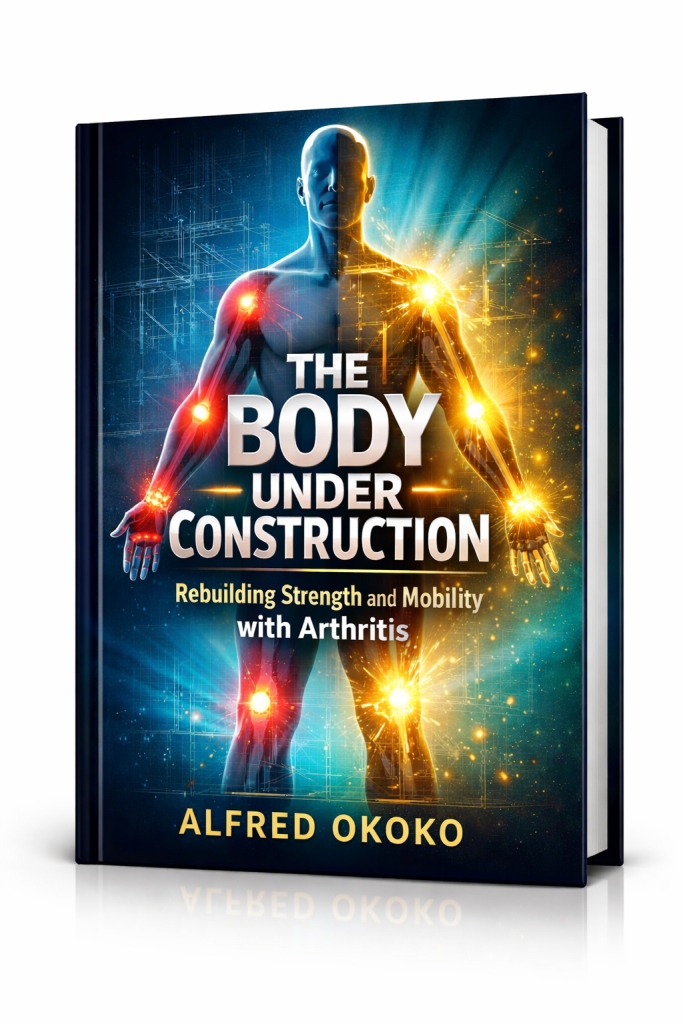
  • The Body Under Construction: A Powerful New Arthritis Book Launching This Friday(6/03/26)

    March 3rd, 2026

    Writer: Alfred Okoko, Founder of the Natural Remission Protocols
    “I help people reverse chronic conditions naturally and reclaim their health.”

    The Body Under Construction: Rebuilding Strength and Mobility with Arthritis

    What if everything you’ve been told about arthritis is incomplete?

    What if your joints are not simply “wearing out”… but actively trying to rebuild?

    This Friday, I am officially launching my new book:

    The Body Under Construction: Rebuilding Strength and Mobility with Arthritis

    How Your Body Repairs, Adapts, and Gets Stronger Every Day

    And I want to personally invite you to be part of this movement.

    Pre-orders are now open via WhatsApp or Call +254 726 530 868.

    A New Conversation About Arthritis

    For years, arthritis has been explained in a way that feels final.
    “Degeneration.”
    “Wear and tear.”
    “Decline.”

    But here’s the truth science continues to show us:

    Your body is not a broken machine.
    It is a living, adaptive system.

    Even with arthritis, your body is:

    • Rebuilding tissue
    • Remodeling bone
    • Regulating inflammation
    • Strengthening supportive muscles
    • Communicating through pain signals
    • Trying to maintain balance

    Arthritis does not mean your body has stopped repairing.
    It means repair is happening under more challenging conditions.

    This book is about understanding that process — and learning how to support it.


    Why I Wrote This Book on Arthritis

    I wrote The Body Under Construction because too many people living with arthritis feel powerless.

    They feel like something inside them is failing.

    But biology tells a different story.

    Inside every joint:

    • Cartilage cells are working.
    • Bone is reshaping.
    • Immune cells are responding.
    • Muscles are compensating.
    • The nervous system is adapting.

    You are not deteriorating.
    You are adapting.

    And adaptation can be guided.

    This book explains arthritis in a way that is empowering, practical, and rooted in science — without overwhelming medical jargon.


    Understanding Arthritis Differently

    Arthritis is not just about damaged cartilage or inflamed joints.

    It is about balance:

    • Breakdown and rebuilding
    • Stress and recovery
    • Inflammation and repair
    • Movement and adaptation

    When balance shifts, symptoms appear.
    But even then, renewal does not stop.

    One of the most important messages in this book is this:

    Pain is a signal — not a life sentence.

    Pain is your body trying to protect you.
    And protection can be guided toward healing.

    Movement Is Not the Enemy

    Many people with arthritis fear movement.

    But movement is not destruction.

    Appropriate movement:

    • Nourishes joints
    • Stimulates cartilage maintenance
    • Strengthens protective muscles
    • Improves circulation
    • Signals stability

    Your body listens to movement.

    When you move wisely, you send a message: “Keep this structure strong.”

    This book shows how to see movement as communication — not punishment.

    The Real Role of Inflammation

    Inflammation often gets blamed as the villain.

    But inflammation is also the first responder.

    It is part of your body’s repair system.

    The problem is not inflammation itself.
    The problem is when it stays elevated for too long.

    Inside this book, I explain:

    • Why inflammation exists
    • How it becomes chronic
    • What daily habits influence it
    • How sleep, stress, and nutrition shape it

    Understanding this changes how you experience arthritis.

    Aging and Arthritis: A Truth That Brings Hope

    Yes, repair slows with age.

    But slower repair is not stopped repair.

    Your body never fully gives up on renewal.

    Bone continues remodeling.
    Muscles continue adapting.
    The nervous system continues rewiring.
    Cells continue replacing themselves.

    You are not a fixed object.
    You are a process.

    That is one of the most powerful truths I share in this book.

    Who This Arthritis Book Is For

    This book is for you if:

    • You have osteoarthritis and want deeper understanding
    • You live with rheumatoid arthritis and want empowerment
    • You experience joint stiffness and pain
    • You feel frustrated with confusing information
    • You want a hopeful but realistic perspective
    • You believe your body deserves partnership, not war

    It is written in a human voice.
    Clear. Encouraging. Science-backed. Practical.

    Why This Launch Matters

    This is more than a book release.

    It is the beginning of a new way of thinking about arthritis.

    Instead of fear: Understanding.

    Instead of helplessness: Partnership.

    Instead of “wear and tear”: Repair and adaptation.

    When you understand what your body is trying to do, you stop fighting it — and start supporting it.

    And that shift changes everything.

    What You Will Learn Inside

    In The Body Under Construction, you will discover:

    • How joints actually function as living systems
    • Why pain does not always equal damage
    • How movement stimulates repair
    • The role of sleep in tissue rebuilding
    • How stress interferes with healing
    • The importance of muscle in joint protection
    • Why inflammation is both friend and foe
    • How daily habits influence cellular renewal
    • Why aging does not mean decline
    • How to live confidently with arthritis

    This is not a miracle cure promise.

    It is something stronger:

    Biological understanding that empowers action.

    Official Launch This Friday

    I am proud to announce that The Body Under Construction officially launches this Friday.

    If you or someone you love lives with arthritis, this book can change how they see their body — and how they care for it.

    Pre-orders are now open.

    📲 WhatsApp or Call: 0726530868

    Secure your copy before the official launch.

    A Personal Message

    If arthritis has made you feel limited, please hear this:

    Your body is still working for you.

    Right now, beneath the stiffness, beneath the discomfort, beneath the frustration — there is repair happening.

    You are not finished.
    You are not broken.
    You are rebuilding.

    And I wrote this book to help you understand how.

    Join me this Friday as we launch a new conversation about arthritis.

    Pre-order today via WhatsApp or Call +254 726 530 868.

    Let’s rebuild together.

    — Alfred Okoko

  • Foods That Aggravate Peptic Ulcers and Delay Healing|When The Body Speaks Online 📖

    February 25th, 2026

    Writer: Alfred Okoko, Founder of the Natural Remission Protocols
    “I help people reverse chronic conditions naturally and reclaim their health.”

    Stomach Ulcer

    Certain foods can aggravate peptic ulcers and slow healing. Learn which foods to avoid, how they affect the stomach lining, and strategies to protect digestive health naturally.

    Introduction

    Peptic ulcers are more than a painful digestive problem — they are messages from your body signaling inflammation, infection, or weakened protective mechanisms in your stomach or duodenum. While some foods can support healing, others can aggravate ulcers, increase irritation, and slow recovery.

    Understanding which foods to avoid — and why — helps you protect your stomach lining, reduce flare-ups, and give your body the best chance to heal naturally.

    Why Certain Foods Worsen Ulcers

    The stomach lining relies on mucus, bicarbonate, and healthy blood flow to defend against acid and irritation. Some foods:

    • Stimulate excess acid production
    • Irritate the mucosal lining directly
    • Promote inflammation or oxidative stress
    • Disrupt gut balance and delay tissue repair

    Even small amounts of these trigger foods can prolong discomfort and slow recovery, making ulcer management more difficult.

    Top Foods That Aggravate Ulcers

    1. Spicy Foods

    • Chili peppers, hot sauces, and heavily spiced dishes can irritate the stomach lining, increasing burning sensations.
    • While not a direct cause of ulcers, they can exacerbate symptoms and delay healing.

    Tip: Limit or avoid spicy meals until the ulcer is healed.

    2. Acidic Foods and Drinks

    • Citrus fruits (oranges, lemons, grapefruits)
    • Tomatoes and tomato-based sauces
    • Vinegar-based foods

    These foods may increase stomach irritation in sensitive individuals, particularly during flare-ups.

    3. Fried and Fatty Foods

    • Deep-fried items, fast food, and heavy sauces can slow digestion and increase stomach stress.
    • High-fat meals may stimulate excess acid production and discomfort.

    Tip: Opt for lightly cooked, easily digestible meals with healthy fats like olive oil or avocado.

    4. Caffeinated Beverages

    • Coffee, black tea, energy drinks, and some sodas may increase acid secretion and irritate the ulcer.
    • Even decaf may sometimes trigger discomfort in sensitive individuals.

    Tip: Reduce intake gradually and observe your body’s response.

    5. Alcohol

    • Alcohol irritates the stomach lining and interferes with mucus production, slowing healing.
    • It can also worsen H. pylori-related ulcers by promoting inflammation.

    Tip: Avoid alcohol entirely during active ulcer healing.

    6. Carbonated Beverages

    • Soda and sparkling water can increase bloating and pressure on the stomach lining.
    • Combined with caffeine or sugar, they may exacerbate irritation.

    7. Highly Processed or Sugary Foods

    • Pastries, candies, processed snacks, and refined carbohydrates can trigger inflammation and disturb gut microbiota.
    • These foods may indirectly impair the body’s healing mechanisms.

    How Foods Affect Ulcer Healing

    1. Irritation of the Mucosal Lining – Spices, acid, and alcohol can directly damage the protective barrier.
    2. Increased Acid Production – Caffeine, fatty foods, and certain beverages may stimulate additional acid, increasing pain.
    3. Inflammation – Processed foods and sugar amplify inflammation, slowing tissue repair.
    4. Delayed Recovery – Chronic irritation prevents proper regeneration of the stomach lining.

    Strategies to Protect Your Stomach

    Listening to Your Body

    Ulcers are communications from your digestive system. Pain, burning, bloating, or nausea often indicate that protective mechanisms are compromised. Avoiding aggravating foods reduces irritation and allows your stomach lining to repair efficiently.

    Your body responds best when you combine dietary care, lifestyle adjustments, and stress management with medical guidance when needed.

    Closing Reflection

    Healing a peptic ulcer is not just about reducing stomach acid — it’s about protecting and nourishing the stomach lining. Avoiding foods that irritate the mucosa, increase inflammation, or trigger excess acid is essential for recovery.

    By paying attention to what aggravates your ulcer, you give your body the environment it needs to heal, restore balance, and prevent future flare-ups. Listening to your digestive system turns discomfort into insight, guiding you toward long-term gut health.

    Read More Articles
    • From Awareness to Action: How to Turn What You Know Into Real Health, Freedom, and Results|When The Body Speaks Online 📖
      Writer: Alfred Okoko, Founder of the Natural Remission Protocol.“I help people reverse chronic conditions naturally and reclaim their health.” Discover how to turn awareness into action with simple daily habits that support real health, freedom, and clarity. Learn how to stop overthinking and start living intentionally. Introduction Awareness is powerful. It opens your eyes.It changes… Read more: From Awareness to Action: How to Turn What You Know Into Real Health, Freedom, and Results|When The Body Speaks Online 📖
    • Common Mistakes People Make When Trying to Heal Naturally (And How to Avoid Them)|When The Body Speaks Online 📖
      Writer: Alfred Okoko, Founder of the Natural Remission Protocols“I help people reverse chronic conditions naturally and reclaim their health.” Avoid the most common mistakes people make when trying to heal naturally—learn what slows progress and how to achieve real, lasting results. Introduction Natural healing is powerful. It’s helped countless people reduce symptoms, regain energy, and… Read more: Common Mistakes People Make When Trying to Heal Naturally (And How to Avoid Them)|When The Body Speaks Online 📖
    • Erectile Dysfunction Home Remedies: Supporting Circulation, Confidence, and Whole-Body Health|When The Body Speaks Online 📖
      Discover supportive home remedies for erectile dysfunction that focus on circulation, stress reduction, and whole-body health. Natural strategies inspired by When The Body Speaks. Introduction Erectile dysfunction (ED) is often discussed only in physical terms, yet it is closely connected to circulation, stress levels, emotional wellbeing, energy balance, and lifestyle patterns. For many men, changes… Read more: Erectile Dysfunction Home Remedies: Supporting Circulation, Confidence, and Whole-Body Health|When The Body Speaks Online 📖
    • Psychoneuroimmunology: How Thoughts and Emotions Influence the Immune System and Healing|When The Body Speaks Online 📖
      Writer: Alfred Okoko, Founder of the Natural Remission Protocols“I help people reverse chronic conditions naturally and reclaim their health.” Discover how psychoneuroimmunology reveals the powerful connection between the mind and immune system. Learn how thoughts, emotions, and stress hormones influence inflammation, healing, and recovery. Introduction For many years, medicine treated the mind and body as… Read more: Psychoneuroimmunology: How Thoughts and Emotions Influence the Immune System and Healing|When The Body Speaks Online 📖
    • Belief Does Not Cure Disease—But It Can Open the Door to Healing|When The Body Speaks Online 📖
      Writer: Alfred Okoko, Founder of the Natural Remission Protocols“I help people reverse chronic conditions naturally and reclaim their health.” Belief alone may not cure disease, but it can powerfully influence healing. Discover how mindset, hope, and emotional resilience support the body’s natural recovery process. Introduction In the world of health and wellness, there are two… Read more: Belief Does Not Cure Disease—But It Can Open the Door to Healing|When The Body Speaks Online 📖

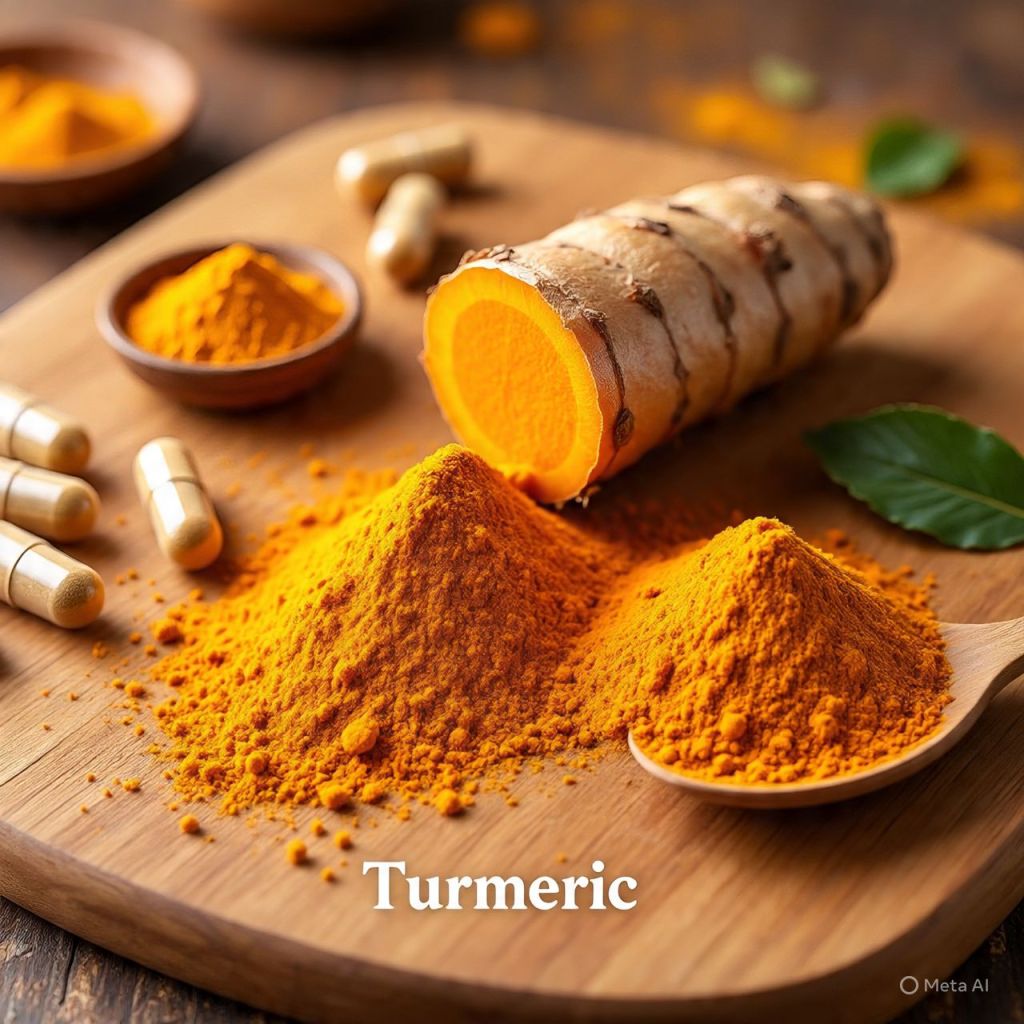
  • 10 Science-Backed Health Benefits of Turmeric You Need to Know|When The Body Speaks Online 📖

    February 25th, 2026

    Writer: Alfred Okoko, Founder of the Natural Remission Protocols
    “I help people reverse chronic conditions naturally and reclaim their health.”

    Turmeric Benefits

    Turmeric is more than a spice — it’s a natural powerhouse. Discover 10 science-backed health benefits, from reducing inflammation and supporting joint health to boosting immunity and digestion.

    Introduction

    Turmeric isn’t just a vibrant yellow spice — it’s a natural healer that has been valued in traditional medicine for centuries. Modern science now confirms that turmeric, particularly its active compound curcumin, offers a wide range of health benefits, from reducing inflammation to supporting brain function.

    Incorporating turmeric into your diet or wellness routine can enhance overall health and provide natural support for common conditions. Here are 10 science-backed benefits of turmeric that you need to know.

    1. Powerful Anti-Inflammatory Effects

    Chronic inflammation is linked to many health issues, including arthritis, heart disease, and digestive disorders. Curcumin in turmeric inhibits inflammatory pathways, helping to reduce swelling, joint pain, and systemic inflammation.

    Tip: Pair turmeric with black pepper to increase absorption of curcumin.

    2. Supports Joint Health

    Turmeric’s anti-inflammatory properties make it a natural ally for joint health. Studies suggest it can reduce pain and stiffness in conditions like osteoarthritis and rheumatoid arthritis, sometimes comparable to standard medications without the side effects.

    3. Boosts Digestive Health

    Turmeric can stimulate bile production, aiding digestion, and has protective effects on the gut lining. It may also help reduce symptoms of peptic ulcers and other digestive discomforts when used appropriately.

    4. Antioxidant Power

    Curcumin is a potent antioxidant that neutralizes free radicals and supports the body’s own antioxidant enzymes. This helps protect cells from oxidative stress, which contributes to aging and chronic diseases.

    5. Enhances Brain Function

    Turmeric may improve brain health by increasing levels of BDNF (Brain-Derived Neurotrophic Factor), a protein linked to neuroplasticity. This may support memory, mood, and cognitive function, potentially reducing the risk of neurodegenerative diseases.

    6. Supports Heart Health

    Curcumin can improve the function of the endothelium, the lining of blood vessels, which is critical for heart health. It may reduce inflammation and oxidative stress in the cardiovascular system, supporting healthy blood pressure and circulation.

    7. May Help Prevent Cancer

    Early research indicates that curcumin can affect cancer growth, development, and spread at the molecular level. While not a cure, turmeric may support conventional therapies and contribute to cancer prevention strategies.

    8. Helps Manage Blood Sugar

    Curcumin may improve insulin sensitivity and help regulate blood sugar levels. Including turmeric in meals can complement a healthy lifestyle for managing type 2 diabetes and metabolic health.

    9. Supports Immune Function

    Turmeric modulates the immune system, enhancing the body’s natural defense mechanisms. Its anti-inflammatory and antioxidant effects can help the immune system respond effectively to pathogens.

    10. Promotes Liver Health and Detoxification

    Curcumin supports liver function by helping detoxify harmful compounds and reducing oxidative stress in liver cells. This can enhance overall metabolic and digestive health.

    How to Incorporate Turmeric

    • Golden milk: Turmeric with milk or plant-based alternatives and black pepper
    • Cooking: Add to curries, soups, and stir-fries
    • Smoothies: Combine with fruits, ginger, and a pinch of black pepper
    • Supplements: Use standardized curcumin supplements under guidance for higher doses

    Tip: Always combine turmeric with black pepper or healthy fats to enhance absorption.

    Closing Reflection

    Turmeric is more than a spice — it’s a natural, science-backed ally for inflammation, digestion, immunity, joint health, heart function, and even brain support. Incorporating turmeric into your diet or wellness routine can help you harness its holistic healing potential naturally and safely.

    From daily meals to herbal teas and supplements, turmeric empowers your body to manage inflammation, oxidative stress, and digestive challenges while supporting overall vitality.

  • Eating for Ulcer Healing: What to Eat, Avoid, and Why|When The Body Speaks Online 📖

    February 25th, 2026

    Writer: Alfred Okoko, Founder of the Natural Remission Protocols
    “I help people reverse chronic conditions naturally and reclaim their health.”

    AntiInflammatory Diet

    Eating for ulcer healing goes beyond avoiding acid. Learn which foods support stomach repair, which irritate, and why dietary choices play a crucial role in recovery and digestive health.

    Introduction

    Peptic ulcers are not just about stomach acid or occasional pain — they are a signal from your body that your digestive lining is under stress, inflamed, or compromised. While medications can help manage symptoms, diet plays a critical role in supporting healing, reducing irritation, and protecting the stomach lining.

    Understanding what to eat, what to avoid, and why allows you to respond to your body’s signals, prevent flare-ups, and support long-term digestive wellness.

    Why Diet Matters for Ulcer Healing

    The stomach lining protects itself from acid and digestive enzymes through mucus, bicarbonate, and blood flow. When these protective mechanisms weaken, ulcers develop. Diet affects:

    • Inflammation – Certain foods can exacerbate inflammation, while others reduce it
    • Healing capacity – Nutrients like glutamine, zinc, and antioxidants support tissue repair
    • Gut microbiota balance – Beneficial bacteria help inhibit H. pylori and support immunity
    • Acid and irritation levels – Meal composition and timing influence acid exposure

    Eating with intention is not just about comfort — it’s about giving your body what it needs to heal.

    Foods That Support Ulcer Healing

    1. Vegetables and Leafy Greens

    • Spinach, kale, broccoli, zucchini, and carrots
    • Rich in antioxidants, polyphenols, and fiber to reduce inflammation and support tissue repair

    Tip: Lightly steam or sauté to reduce stomach stress.

    2. Fruits That Soothe

    • Bananas, apples, blueberries, and cranberries
    • Provide antioxidants and are gentle on the stomach lining
    • Avoid overly acidic fruits like citrus if sensitive

    3. Whole Grains

    • Oats, brown rice, quinoa, and barley
    • Provide soluble fiber that nourishes gut bacteria and regulates digestion

    4. Lean Proteins

    • Fish, poultry, eggs, and legumes
    • Supply amino acids critical for tissue repair and mucosal healing

    5. Healthy Fats

    • Olive oil, avocado, chia seeds, flaxseeds, and walnuts
    • Anti-inflammatory fats support overall gut health

    6. Soothing and Protective Foods

    • Cabbage (rich in glutamine), aloe vera, and deglycyrrhizinated licorice (DGL)
    • Promote mucus production and help repair the stomach lining

    7. Probiotic and Fermented Foods

    • Yogurt, kefir, kimchi, and sauerkraut
    • Restore gut balance, inhibit H. pylori growth, and enhance immunity

    8. Herbal Teas

    • Chamomile, slippery elm, and ginger teas
    • Reduce inflammation and calm the digestive system

    Foods and Habits to Avoid

    Even “healthy” foods can irritate the stomach lining if eaten incorrectly or in excess. Avoid or limit:

    • Spicy and heavily seasoned foods
    • Alcohol and caffeine
    • Fried, greasy, or processed foods
    • Acidic foods like tomatoes and citrus if sensitive
    • Large, irregular meals that overstimulate acid production

    Tip: Pay attention to your body’s response and adjust accordingly.

    Meal Structure for Ulcer Healing

    • Small, frequent meals: Reduce acid spikes and stress on the stomach
    • Balanced plates: Include vegetables, lean protein, healthy fats, and fiber
    • Hydration: Water and soothing herbal teas support tissue repair
    • Mindful eating: Slow, intentional meals reduce overproduction of acid and stress on the gut

    Lifestyle Practices That Enhance Dietary Healing

    • Stress management: Meditation, deep breathing, yoga
    • Regular sleep: Supports hormone balance and tissue repair
    • Gentle exercise: Improves circulation and digestion
    • Medical guidance: Test for H. pylori, monitor for complications, and follow prescribed treatments

    Closing Reflection

    Eating for ulcer healing is more than avoiding acid — it’s about nourishing the stomach lining, reducing inflammation, and supporting your body’s natural repair processes.

    By focusing on vegetables, fruits, whole grains, lean proteins, healthy fats, probiotics, and soothing foods — while avoiding irritants and managing stress — you create the conditions for your ulcers to heal effectively.

    Your body is communicating through pain, discomfort, and digestive changes. Listening and responding through diet transforms these signals into a roadmap for healing, comfort, and long-term digestive wellness.

    Read More Articles
    • From Awareness to Action: How to Turn What You Know Into Real Health, Freedom, and Results|When The Body Speaks Online 📖
      Writer: Alfred Okoko, Founder of the Natural Remission Protocol.“I help people reverse chronic conditions naturally and reclaim their health.” Discover how to turn awareness into action with simple daily habits that support real health, freedom, and clarity. Learn how to stop overthinking and start living intentionally. Introduction Awareness is powerful. It opens your eyes.It changes… Read more: From Awareness to Action: How to Turn What You Know Into Real Health, Freedom, and Results|When The Body Speaks Online 📖
    • Common Mistakes People Make When Trying to Heal Naturally (And How to Avoid Them)|When The Body Speaks Online 📖
      Writer: Alfred Okoko, Founder of the Natural Remission Protocols“I help people reverse chronic conditions naturally and reclaim their health.” Avoid the most common mistakes people make when trying to heal naturally—learn what slows progress and how to achieve real, lasting results. Introduction Natural healing is powerful. It’s helped countless people reduce symptoms, regain energy, and… Read more: Common Mistakes People Make When Trying to Heal Naturally (And How to Avoid Them)|When The Body Speaks Online 📖
    • Erectile Dysfunction Home Remedies: Supporting Circulation, Confidence, and Whole-Body Health|When The Body Speaks Online 📖
      Discover supportive home remedies for erectile dysfunction that focus on circulation, stress reduction, and whole-body health. Natural strategies inspired by When The Body Speaks. Introduction Erectile dysfunction (ED) is often discussed only in physical terms, yet it is closely connected to circulation, stress levels, emotional wellbeing, energy balance, and lifestyle patterns. For many men, changes… Read more: Erectile Dysfunction Home Remedies: Supporting Circulation, Confidence, and Whole-Body Health|When The Body Speaks Online 📖
    • Psychoneuroimmunology: How Thoughts and Emotions Influence the Immune System and Healing|When The Body Speaks Online 📖
      Writer: Alfred Okoko, Founder of the Natural Remission Protocols“I help people reverse chronic conditions naturally and reclaim their health.” Discover how psychoneuroimmunology reveals the powerful connection between the mind and immune system. Learn how thoughts, emotions, and stress hormones influence inflammation, healing, and recovery. Introduction For many years, medicine treated the mind and body as… Read more: Psychoneuroimmunology: How Thoughts and Emotions Influence the Immune System and Healing|When The Body Speaks Online 📖
    • Belief Does Not Cure Disease—But It Can Open the Door to Healing|When The Body Speaks Online 📖
      Writer: Alfred Okoko, Founder of the Natural Remission Protocols“I help people reverse chronic conditions naturally and reclaim their health.” Belief alone may not cure disease, but it can powerfully influence healing. Discover how mindset, hope, and emotional resilience support the body’s natural recovery process. Introduction In the world of health and wellness, there are two… Read more: Belief Does Not Cure Disease—But It Can Open the Door to Healing|When The Body Speaks Online 📖
  • Ginger: Nature’s Anti-Inflammatory Powerhouse|When The Body Speaks Online 📖

    February 25th, 2026

    Writer: Alfred Okoko, Founder of the Natural Remission Protocols
    “I help people reverse chronic conditions naturally and reclaim their health.”

    Ginger Benefits

    Ginger is nature’s anti-inflammatory powerhouse. Discover how it reduces inflammation, eases pain, supports digestion, boosts immunity, and promotes overall wellness naturally.

    Introduction

    Ginger isn’t just a flavorful spice — it’s a natural remedy with remarkable health benefits. For centuries, it has been used in traditional medicine to ease digestive issues, reduce inflammation, and boost overall vitality. Modern science now confirms what traditional healers knew: ginger is a potent anti-inflammatory powerhouse that supports multiple systems in the body.

    Incorporating ginger into your diet or wellness routine can help manage inflammation, improve digestion, and support long-term health.

    Why Ginger Is Anti-Inflammatory

    Ginger contains bioactive compounds called gingerols, which are responsible for its unique aroma and health-promoting properties. These compounds help:

    • Reduce chronic inflammation linked to arthritis, cardiovascular disease, and metabolic issues
    • Neutralize oxidative stress by acting as antioxidants
    • Modulate immune responses to prevent overactive inflammation

    In essence, ginger helps your body calm internal stress and protect tissues from damage.

    Top Health Benefits of Ginger

    1. Eases Joint and Muscle Pain

    Thanks to its anti-inflammatory properties, ginger can reduce pain and stiffness in joints and muscles, making it a natural ally for people with arthritis or post-exercise soreness.

    2. Supports Digestive Health

    Ginger helps stimulate digestive enzymes, improve gut motility, and relieve bloating, nausea, and indigestion. It has also been studied for reducing nausea related to motion sickness, pregnancy, or chemotherapy.

    3. Reduces Inflammation Systemically

    Chronic inflammation is linked to heart disease, diabetes, and other metabolic conditions. Ginger’s compounds help lower inflammatory markers, promoting overall wellness and reducing disease risk.

    4. Boosts Immune Function

    Ginger supports immune health by modulating immune responses and protecting against oxidative stress. It can help the body respond more effectively to infections and inflammation.

    5. Improves Circulation and Heart Health

    Ginger may help lower blood pressure, reduce cholesterol, and improve circulation, all of which support cardiovascular wellness and reduce strain caused by inflammation.

    6. Pain Relief for Menstrual Discomfort

    Studies show ginger can reduce menstrual pain by inhibiting inflammatory prostaglandins, offering a natural alternative to pain medications for many women.

    7. Supports Brain Health

    By reducing oxidative stress and inflammation, ginger may protect brain cells, support memory, and lower the risk of neurodegenerative conditions.

    How to Incorporate Ginger into Your Routine

    1. Fresh or Powdered

    • Add fresh ginger to teas, smoothies, stir-fries, or soups
    • Use powdered ginger in baking, cooking, or spice blends

    2. Ginger Tea

    • Boil fresh ginger slices in water and enjoy warm
    • Combine with honey or lemon for added flavor and soothing effects

    3. Supplements

    • Ginger capsules or extracts provide concentrated doses
    • Follow recommended guidelines and consult a healthcare professional if on medications

    4. Pair With Healthy Habits

    • Combine with anti-inflammatory foods like turmeric, leafy greens, and berries
    • Maintain a balanced lifestyle with stress management, sleep, and exercise

    Foods and Practices to Maximize Anti-Inflammatory Benefits

    • Include omega-3-rich foods like salmon, flaxseeds, and chia seeds
    • Focus on whole, unprocessed foods to reduce systemic inflammation
    • Avoid excessive sugar, alcohol, and highly processed foods that trigger inflammation

    Closing Reflection

    Ginger is nature’s anti-inflammatory powerhouse, offering relief for pain, digestive support, immune modulation, and overall wellness. Incorporating ginger into your diet or wellness routine allows your body to combat inflammation naturally, support tissue repair, and maintain balance.

    Listening to your body and responding with anti-inflammatory foods like ginger transforms daily nutrition into a healing, health-promoting practice.

    Read More Articles
    • From Awareness to Action: How to Turn What You Know Into Real Health, Freedom, and Results|When The Body Speaks Online 📖
      Writer: Alfred Okoko, Founder of the Natural Remission Protocol.“I help people reverse chronic conditions naturally and reclaim their health.” Discover how to turn awareness into action with simple daily habits that support real health, freedom, and clarity. Learn how to stop overthinking and start living intentionally. Introduction Awareness is powerful. It opens your eyes.It changes… Read more: From Awareness to Action: How to Turn What You Know Into Real Health, Freedom, and Results|When The Body Speaks Online 📖
    • Common Mistakes People Make When Trying to Heal Naturally (And How to Avoid Them)|When The Body Speaks Online 📖
      Writer: Alfred Okoko, Founder of the Natural Remission Protocols“I help people reverse chronic conditions naturally and reclaim their health.” Avoid the most common mistakes people make when trying to heal naturally—learn what slows progress and how to achieve real, lasting results. Introduction Natural healing is powerful. It’s helped countless people reduce symptoms, regain energy, and… Read more: Common Mistakes People Make When Trying to Heal Naturally (And How to Avoid Them)|When The Body Speaks Online 📖
    • Erectile Dysfunction Home Remedies: Supporting Circulation, Confidence, and Whole-Body Health|When The Body Speaks Online 📖
      Discover supportive home remedies for erectile dysfunction that focus on circulation, stress reduction, and whole-body health. Natural strategies inspired by When The Body Speaks. Introduction Erectile dysfunction (ED) is often discussed only in physical terms, yet it is closely connected to circulation, stress levels, emotional wellbeing, energy balance, and lifestyle patterns. For many men, changes… Read more: Erectile Dysfunction Home Remedies: Supporting Circulation, Confidence, and Whole-Body Health|When The Body Speaks Online 📖
    • Psychoneuroimmunology: How Thoughts and Emotions Influence the Immune System and Healing|When The Body Speaks Online 📖
      Writer: Alfred Okoko, Founder of the Natural Remission Protocols“I help people reverse chronic conditions naturally and reclaim their health.” Discover how psychoneuroimmunology reveals the powerful connection between the mind and immune system. Learn how thoughts, emotions, and stress hormones influence inflammation, healing, and recovery. Introduction For many years, medicine treated the mind and body as… Read more: Psychoneuroimmunology: How Thoughts and Emotions Influence the Immune System and Healing|When The Body Speaks Online 📖
    • Belief Does Not Cure Disease—But It Can Open the Door to Healing|When The Body Speaks Online 📖

      Writer: Alfred Okoko, Founder of the Natural Remission Protocols“I help people reverse chronic conditions naturally and reclaim their health.” Belief alone may not cure disease, but it can powerfully influence healing. Discover how mindset, hope, and emotional resilience support the body’s natural recovery process. Introduction In the world of health and wellness, there are two… Read more: Belief Does Not Cure Disease—But It Can Open the Door to Healing|When The Body Speaks Online 📖

  • Why Cinnamon Is Called the “Blood Sugar Balancer”|When The Body Speaks Online 📖

    February 25th, 2026

    Writer: Alfred Okoko, Founder of the Natural Remission Protocols
    “I help people reverse chronic conditions naturally and reclaim their health.”

    Cinnamon Benefits

    Cinnamon is often called the “blood sugar balancer” for good reason. Discover how it helps regulate glucose, supports metabolism, and promotes overall health with science-backed benefits.

    Introduction

    Cinnamon isn’t just a fragrant spice that elevates desserts and drinks — it’s a natural powerhouse for metabolic health. For years, it has earned the nickname “blood sugar balancer”, and modern science confirms why.

    From stabilizing glucose levels to improving insulin sensitivity, cinnamon plays a key role in supporting overall health, particularly for those looking to manage blood sugar, reduce inflammation, and maintain energy throughout the day.

    How Cinnamon Supports Blood Sugar Regulation

    1. Improves Insulin Sensitivity

    Insulin helps your body move glucose from the bloodstream into cells for energy. Cinnamon contains compounds that enhance insulin sensitivity, allowing cells to respond more effectively to insulin and reducing blood sugar spikes after meals.

    2. Slows Digestion of Carbohydrates

    Cinnamon can slow the breakdown of carbohydrates in the digestive tract, meaning glucose enters the bloodstream more gradually. This helps prevent sudden blood sugar surges and promotes steadier energy levels.

    3. Reduces Fasting Blood Sugar Levels

    Studies show that daily intake of cinnamon may lower fasting blood sugar, making it especially beneficial for individuals with insulin resistance or prediabetes. Regular use can complement a balanced diet and healthy lifestyle.

    4. Anti-Inflammatory Effects

    Chronic inflammation is linked to insulin resistance and blood sugar imbalance. Cinnamon’s anti-inflammatory compounds help reduce oxidative stress and inflammation, supporting better metabolic function.

    5. Supports Heart Health

    High blood sugar can negatively affect cardiovascular health. Cinnamon helps lower blood pressure and improve cholesterol profiles, providing an added layer of protection for heart health in people managing blood sugar levels.

    How to Use Cinnamon Effectively

    1. Daily Incorporation

    • Sprinkle on oatmeal, yogurt, or smoothies
    • Add to coffee, tea, or warm milk
    • Use in cooking for flavor and health benefits

    2. Pair With Balanced Meals

    Cinnamon works best when combined with:

    • High-fiber foods like vegetables, whole grains, and legumes
    • Healthy proteins and fats
    • Low-glycemic carbohydrates

    This combination enhances glucose control and reduces post-meal spikes.

    3. Supplements and Extracts

    • Standardized cinnamon supplements are available, often using Ceylon cinnamon for safety and efficacy
    • Follow recommended doses and consult a healthcare professional if taking medications for blood sugar or other health conditions

    4. Safety Notes

    • Avoid excessive intake of Cassia cinnamon, which contains higher levels of coumarin and can stress the liver over time
    • Moderate use as a spice or in supplements is generally safe for most adults

    Additional Benefits Beyond Blood Sugar

    • Anti-inflammatory and antioxidant support for overall wellness
    • Digestive support by reducing bloating and improving gut function
    • Flavor without added sugar, helping curb sweet cravings naturally

    Closing Reflection

    Cinnamon earns the title “blood sugar balancer” because it helps stabilize glucose, improve insulin sensitivity, and support metabolic health naturally. Beyond its sweet aroma and flavor, cinnamon is a powerful tool for anyone seeking balanced energy, reduced inflammation, and long-term wellness.

    Incorporating cinnamon thoughtfully into your meals, drinks, or wellness routine is a simple yet effective way to listen to your body and support blood sugar balance naturally.

    Read More Articles
    • From Awareness to Action: How to Turn What You Know Into Real Health, Freedom, and Results|When The Body Speaks Online 📖
      Writer: Alfred Okoko, Founder of the Natural Remission Protocol.“I help people reverse chronic conditions naturally and reclaim their health.” Discover how to turn awareness into action with simple daily habits that support real health, freedom, and clarity. Learn how to stop overthinking and start living intentionally. Introduction Awareness is powerful. It opens your eyes.It changes… Read more: From Awareness to Action: How to Turn What You Know Into Real Health, Freedom, and Results|When The Body Speaks Online 📖
    • Common Mistakes People Make When Trying to Heal Naturally (And How to Avoid Them)|When The Body Speaks Online 📖
      Writer: Alfred Okoko, Founder of the Natural Remission Protocols“I help people reverse chronic conditions naturally and reclaim their health.” Avoid the most common mistakes people make when trying to heal naturally—learn what slows progress and how to achieve real, lasting results. Introduction Natural healing is powerful. It’s helped countless people reduce symptoms, regain energy, and… Read more: Common Mistakes People Make When Trying to Heal Naturally (And How to Avoid Them)|When The Body Speaks Online 📖
    • Erectile Dysfunction Home Remedies: Supporting Circulation, Confidence, and Whole-Body Health|When The Body Speaks Online 📖
      Discover supportive home remedies for erectile dysfunction that focus on circulation, stress reduction, and whole-body health. Natural strategies inspired by When The Body Speaks. Introduction Erectile dysfunction (ED) is often discussed only in physical terms, yet it is closely connected to circulation, stress levels, emotional wellbeing, energy balance, and lifestyle patterns. For many men, changes… Read more: Erectile Dysfunction Home Remedies: Supporting Circulation, Confidence, and Whole-Body Health|When The Body Speaks Online 📖
    • Psychoneuroimmunology: How Thoughts and Emotions Influence the Immune System and Healing|When The Body Speaks Online 📖
      Writer: Alfred Okoko, Founder of the Natural Remission Protocols“I help people reverse chronic conditions naturally and reclaim their health.” Discover how psychoneuroimmunology reveals the powerful connection between the mind and immune system. Learn how thoughts, emotions, and stress hormones influence inflammation, healing, and recovery. Introduction For many years, medicine treated the mind and body as… Read more: Psychoneuroimmunology: How Thoughts and Emotions Influence the Immune System and Healing|When The Body Speaks Online 📖
    • Belief Does Not Cure Disease—But It Can Open the Door to Healing|When The Body Speaks Online 📖

      Writer: Alfred Okoko, Founder of the Natural Remission Protocols“I help people reverse chronic conditions naturally and reclaim their health.” Belief alone may not cure disease, but it can powerfully influence healing. Discover how mindset, hope, and emotional resilience support the body’s natural recovery process. Introduction In the world of health and wellness, there are two… Read more: Belief Does Not Cure Disease—But It Can Open the Door to Healing|When The Body Speaks Online 📖

  • How Meal Timing Affects Stomach Ulcer Pain|When The Body Speaks Online 📖

    February 25th, 2026

    Writer: Alfred Okoko, Founder of the Natural Remission Protocols
    “I help people reverse chronic conditions naturally and reclaim their health.”

    Peptic Ulcers

    Meal timing can influence stomach ulcer pain and healing. Learn how eating patterns affect acid, digestion, and inflammation, and discover strategies to reduce discomfort naturally.

    Introduction

    When it comes to peptic ulcers, what you eat isn’t the only factor that matters — when you eat is just as important. Irregular meal timing, skipped meals, or overeating can worsen stomach irritation, increase acid exposure, and intensify ulcer-related pain.

    Your body communicates through these discomforts. By understanding how meal timing affects ulcer symptoms, you can support healing, reduce flare-ups, and restore digestive balance.

    Why Timing Matters for Ulcers

    Peptic ulcers form when the protective lining of the stomach or duodenum is compromised. Acid and digestive enzymes can irritate exposed tissue, creating pain and inflammation. Meal timing influences:

    • Acid production: Long gaps between meals can cause acid to accumulate, irritating the stomach lining
    • Digestive efficiency: Overeating can overstretch the stomach and increase discomfort
    • Mucosal protection: Regular, balanced meals help maintain mucus production and lining integrity
    • Inflammatory response: Irregular meals can contribute to systemic stress and gut inflammation

    Even with a healthy diet, poor timing can slow healing and worsen symptoms.

    How Different Eating Patterns Affect Ulcer Pain

    1. Skipping Meals

    Skipping meals may seem harmless, but it often leads to:

    • Acid build-up in the stomach
    • Increased irritation of the ulcer lining
    • Cravings that result in overeating later

    Tip: Eat smaller, regular meals to prevent acid spikes.

    2. Large or Heavy Meals

    Overloading the stomach can:

    • Stretch the stomach lining, increasing discomfort
    • Stimulate excess acid production
    • Delay digestion, prolonging exposure of the ulcer to irritants

    Tip: Choose moderate portion sizes and avoid overly rich or fatty meals.

    3. Eating Right Before Bed

    Late-night meals may increase acid reflux and irritation:

    • Lying down too soon after eating can allow acid to flow upward
    • Heavy meals close to bedtime stress the digestive system

    Tip: Finish eating 2–3 hours before sleep and opt for light, easily digestible meals.

    4. Frequent, Small Meals

    This approach helps by:

    • Reducing prolonged acid exposure
    • Maintaining mucus and bicarbonate production
    • Stabilizing blood sugar and digestion
    • Preventing overeating and bloating

    Tip: Aim for 4–6 smaller meals or snacks evenly spaced throughout the day.

    Supporting Ulcer Healing Through Meal Timing

    1. Eat consistently – Avoid skipping meals to minimize acid fluctuations
    2. Balance portions – Moderate meal sizes prevent stretching and discomfort
    3. Include protective foods – Vegetables, fruits, whole grains, lean proteins, and soothing foods help shield the stomach lining
    4. Mind digestion pace – Eat slowly, chew thoroughly, and practice mindful eating
    5. Hydrate appropriately – Water and herbal teas support digestion but avoid large amounts during meals that may dilute digestive juices

    Lifestyle Tips That Complement Timing

    • Stress management: High stress can amplify acid production and sensitivity
    • Sleep hygiene: Adequate rest improves healing and digestive balance
    • Gentle movement: Light walking after meals can support digestion
    • Medical guidance: Address underlying causes like H. pylori infection or NSAID use

    Listening to Your Body

    Ulcer pain is a communication from your digestive system. Pay attention to patterns:

    • Does skipping breakfast worsen morning discomfort?
    • Do late-night meals trigger burning?
    • Does eating large portions amplify pain?

    These observations guide meal timing adjustments for optimal healing and comfort.

    Closing Reflection

    Meal timing is a simple but powerful tool for managing ulcer pain. Regular, balanced, and mindful eating helps regulate acid, protect the stomach lining, and support tissue repair.

    By listening to your body and creating a structured eating routine — combined with a healing diet, stress management, and medical guidance — you transform ulcer symptoms from signals of distress into a roadmap for digestive balance and long-term gut health.

    Read More Articles
    • From Awareness to Action: How to Turn What You Know Into Real Health, Freedom, and Results|When The Body Speaks Online 📖
      Writer: Alfred Okoko, Founder of the Natural Remission Protocol.“I help people reverse chronic conditions naturally and reclaim their health.” Discover how to turn awareness into action with simple daily habits that support real health, freedom, and clarity. Learn how to stop overthinking and start living intentionally. Introduction Awareness is powerful. It opens your eyes.It changes… Read more: From Awareness to Action: How to Turn What You Know Into Real Health, Freedom, and Results|When The Body Speaks Online 📖
    • Common Mistakes People Make When Trying to Heal Naturally (And How to Avoid Them)|When The Body Speaks Online 📖
      Writer: Alfred Okoko, Founder of the Natural Remission Protocols“I help people reverse chronic conditions naturally and reclaim their health.” Avoid the most common mistakes people make when trying to heal naturally—learn what slows progress and how to achieve real, lasting results. Introduction Natural healing is powerful. It’s helped countless people reduce symptoms, regain energy, and… Read more: Common Mistakes People Make When Trying to Heal Naturally (And How to Avoid Them)|When The Body Speaks Online 📖
    • Erectile Dysfunction Home Remedies: Supporting Circulation, Confidence, and Whole-Body Health|When The Body Speaks Online 📖
      Discover supportive home remedies for erectile dysfunction that focus on circulation, stress reduction, and whole-body health. Natural strategies inspired by When The Body Speaks. Introduction Erectile dysfunction (ED) is often discussed only in physical terms, yet it is closely connected to circulation, stress levels, emotional wellbeing, energy balance, and lifestyle patterns. For many men, changes… Read more: Erectile Dysfunction Home Remedies: Supporting Circulation, Confidence, and Whole-Body Health|When The Body Speaks Online 📖
    • Psychoneuroimmunology: How Thoughts and Emotions Influence the Immune System and Healing|When The Body Speaks Online 📖
      Writer: Alfred Okoko, Founder of the Natural Remission Protocols“I help people reverse chronic conditions naturally and reclaim their health.” Discover how psychoneuroimmunology reveals the powerful connection between the mind and immune system. Learn how thoughts, emotions, and stress hormones influence inflammation, healing, and recovery. Introduction For many years, medicine treated the mind and body as… Read more: Psychoneuroimmunology: How Thoughts and Emotions Influence the Immune System and Healing|When The Body Speaks Online 📖
    • Belief Does Not Cure Disease—But It Can Open the Door to Healing|When The Body Speaks Online 📖

      Writer: Alfred Okoko, Founder of the Natural Remission Protocols“I help people reverse chronic conditions naturally and reclaim their health.” Belief alone may not cure disease, but it can powerfully influence healing. Discover how mindset, hope, and emotional resilience support the body’s natural recovery process. Introduction In the world of health and wellness, there are two… Read more: Belief Does Not Cure Disease—But It Can Open the Door to Healing|When The Body Speaks Online 📖
  • Garlic’s Immune-Boosting Secrets (More Than Just Flavor!)|When The Body Speaks Online 📖

    February 25th, 2026

    Writer: Alfred Okoko, Founder of the Natural Remission Protocols
    “I help people reverse chronic conditions naturally and reclaim their health.”

    Garlic Benefits

    Garlic is more than a flavorful ingredient — it’s a natural immune booster. Discover science-backed secrets of garlic for immunity, heart health, infection defense, and overall wellness.

    Introduction

    Garlic has long been celebrated in kitchens and traditional medicine for its distinct aroma and potent health benefits. Beyond adding depth to your meals, garlic is a natural immune booster with a wide range of scientifically supported effects that protect and strengthen the body.

    From fighting infections to supporting heart health, garlic is more than just a spice — it’s a wellness powerhouse your body communicates through subtle signs of imbalance.

    Why Garlic Supports the Immune System

    Garlic contains bioactive compounds, most notably allicin, which form when garlic is chopped, crushed, or chewed. These compounds help:

    • Enhance immune cell activity, improving the body’s response to infections
    • Reduce inflammation, supporting overall immune balance
    • Fight harmful pathogens, including bacteria and viruses

    By integrating garlic into your diet, you provide your body with natural tools to detect and neutralize threats efficiently.

    Science-Backed Benefits of Garlic

    1. Strengthens Immune Defense

    Garlic boosts the activity of white blood cells, which are essential for fighting infections. Regular consumption may reduce the frequency and severity of colds and other viral illnesses.

    2. Anti-Inflammatory Support

    Chronic inflammation can impair immunity. Garlic contains antioxidants and sulfur compounds that calm inflammation and protect cells from oxidative stress.

    3. Cardiovascular Health

    Garlic supports heart health by:

    • Reducing blood pressure
    • Improving cholesterol profiles
    • Enhancing circulation

    A healthy cardiovascular system complements immune function and overall vitality.

    4. Natural Antimicrobial Effects

    Allicin in garlic has been shown to combat bacteria, viruses, and fungi, helping the body resist infections naturally.

    5. Detoxification Support

    Garlic stimulates the liver’s detoxifying enzymes, helping remove harmful substances and reduce immune stress caused by toxins.

    6. Respiratory Health

    Regular garlic consumption may support respiratory defenses, helping prevent or reduce sinus infections, bronchitis, and common cold symptoms.

    How to Maximize Garlic’s Benefits

    1. Eat Raw or Lightly Cooked

    • Crushing or chopping garlic releases allicin
    • Let garlic sit for 10 minutes after chopping before cooking to preserve active compounds
    • Lightly sauté to retain potency without destroying nutrients

    2. Incorporate Daily

    • Add to salad dressings, soups, stir-fries, and sauces
    • Combine with anti-inflammatory spices like turmeric or ginger for added benefits

    3. Supplements

    • Garlic capsules and aged garlic extracts provide concentrated doses
    • Choose standardized products and follow recommended guidance, especially if taking blood-thinning medications

    4. Combine With a Balanced Diet

    • Support immune function with vegetables, fruits, and probiotics
    • Maintain healthy lifestyle habits: stress management, regular exercise, and adequate sleep

    Foods and Practices That Complement Garlic

    • Anti-inflammatory foods like leafy greens, berries, and fatty fish
    • Hydration to support detoxification
    • Moderation with processed foods and sugar, which can impair immunity

    Closing Reflection

    Garlic is far more than a culinary staple — it is a natural immune-boosting ally. From supporting white blood cell function to reducing inflammation, fighting pathogens, and enhancing cardiovascular and respiratory health, garlic communicates its benefits quietly but powerfully.

    Integrating garlic into your meals, teas, or supplements allows your body to strengthen defenses, maintain balance, and respond to threats naturally, turning everyday nutrition into an effective wellness strategy.

    Read More Articles
    • From Awareness to Action: How to Turn What You Know Into Real Health, Freedom, and Results|When The Body Speaks Online 📖
      Writer: Alfred Okoko, Founder of the Natural Remission Protocol.“I help people reverse chronic conditions naturally and reclaim their health.” Discover how to turn awareness into action with simple daily habits that support real health, freedom, and clarity. Learn how to stop overthinking and start living intentionally. Introduction Awareness is powerful. It opens your eyes.It changes… Read more: From Awareness to Action: How to Turn What You Know Into Real Health, Freedom, and Results|When The Body Speaks Online 📖
    • Common Mistakes People Make When Trying to Heal Naturally (And How to Avoid Them)|When The Body Speaks Online 📖
      Writer: Alfred Okoko, Founder of the Natural Remission Protocols“I help people reverse chronic conditions naturally and reclaim their health.” Avoid the most common mistakes people make when trying to heal naturally—learn what slows progress and how to achieve real, lasting results. Introduction Natural healing is powerful. It’s helped countless people reduce symptoms, regain energy, and… Read more: Common Mistakes People Make When Trying to Heal Naturally (And How to Avoid Them)|When The Body Speaks Online 📖
    • Erectile Dysfunction Home Remedies: Supporting Circulation, Confidence, and Whole-Body Health|When The Body Speaks Online 📖
      Discover supportive home remedies for erectile dysfunction that focus on circulation, stress reduction, and whole-body health. Natural strategies inspired by When The Body Speaks. Introduction Erectile dysfunction (ED) is often discussed only in physical terms, yet it is closely connected to circulation, stress levels, emotional wellbeing, energy balance, and lifestyle patterns. For many men, changes… Read more: Erectile Dysfunction Home Remedies: Supporting Circulation, Confidence, and Whole-Body Health|When The Body Speaks Online 📖
    • Psychoneuroimmunology: How Thoughts and Emotions Influence the Immune System and Healing|When The Body Speaks Online 📖
      Writer: Alfred Okoko, Founder of the Natural Remission Protocols“I help people reverse chronic conditions naturally and reclaim their health.” Discover how psychoneuroimmunology reveals the powerful connection between the mind and immune system. Learn how thoughts, emotions, and stress hormones influence inflammation, healing, and recovery. Introduction For many years, medicine treated the mind and body as… Read more: Psychoneuroimmunology: How Thoughts and Emotions Influence the Immune System and Healing|When The Body Speaks Online 📖
    • Belief Does Not Cure Disease—But It Can Open the Door to Healing|When The Body Speaks Online 📖
      Writer: Alfred Okoko, Founder of the Natural Remission Protocols“I help people reverse chronic conditions naturally and reclaim their health.” Belief alone may not cure disease, but it can powerfully influence healing. Discover how mindset, hope, and emotional resilience support the body’s natural recovery process. Introduction In the world of health and wellness, there are two… Read more: Belief Does Not Cure Disease—But It Can Open the Door to Healing|When The Body Speaks Online 📖
←Previous Page
1 2 3 4 … 9
Next Page→

Blog at WordPress.com.


Loading Comments...
 

    • Subscribe Subscribed
      • When The Body Speaks Online
      • Already have a WordPress.com account? Log in now.
      • When The Body Speaks Online
      • Subscribe Subscribed
      • Sign up
      • Log in
      • Report this content
      • View site in Reader
      • Manage subscriptions
      • Collapse this bar