Writer: Alfred Okoko, Founder of the Natural Remission Protocols “I help people reverse chronic conditions naturally and reclaim their health.”
Peppermint Benefits
Peppermint is more than a breath freshener. Discover how it soothes digestion, reduces inflammation, relieves headaches, supports respiratory health, and promotes overall wellness naturally.
Introduction
When you think of peppermint, fresh breath probably comes to mind first. But this vibrant herb is a natural wellness powerhouse. For centuries, peppermint has been used in traditional medicine to calm digestion, ease pain, and support overall health. Modern research confirms what traditional healers knew: peppermint is much more than a simple flavor — it’s a versatile herb with a variety of health benefits.
From soothing the stomach to relieving headaches, peppermint communicates its effects through subtle signals that guide your body toward balance and wellness.
Why Peppermint Supports Health
Peppermint contains menthol and other bioactive compounds that interact with the digestive, nervous, and respiratory systems to:
Relax smooth muscles in the digestive tract
Reduce inflammation and oxidative stress
Provide cooling and analgesic effects for pain relief
Support respiratory comfort and circulation
These properties make peppermint a natural ally for digestion, pain management, and overall vitality.
Science-Backed Benefits of Peppermint
1. Soothes Digestive Issues
Peppermint relaxes the smooth muscles of the gastrointestinal tract, helping to reduce bloating, gas, and indigestion. Peppermint oil capsules are often used for irritable bowel syndrome (IBS) with notable symptom relief.
2. Relieves Headaches and Migraines
Topical peppermint oil or inhalation can ease tension headaches by relaxing muscles and improving blood flow, providing natural relief without medication.
3. Reduces Inflammation
Menthol and antioxidants in peppermint help reduce inflammation in tissues, supporting overall health and potentially protecting against chronic conditions.
4. Supports Respiratory Health
Peppermint’s menthol acts as a natural decongestant, soothing irritated airways, easing coughs, and supporting clear breathing.
5. Enhances Mental Clarity and Focus
The invigorating scent of peppermint can improve alertness, concentration, and cognitive performance, making it useful for both work and study.
6. Pain Relief and Muscle Relaxation
Peppermint oil’s cooling effect and anti-inflammatory properties can relieve muscle aches, joint pain, and minor skin irritations, acting as a gentle natural analgesic.
How to Use Peppermint for Maximum Benefits
1. Fresh Leaves or Tea
Brew peppermint leaves in hot water for a soothing digestive and calming tea
Add to salads or smoothies for flavor and nutrient benefits
2. Peppermint Oil
Apply diluted peppermint oil topically for headaches, muscle pain, or tension
Inhale for respiratory relief or mental clarity
3. Aromatherapy
Diffuse peppermint oil to energize the mind, improve focus, and enhance mood
4. Culinary Use
Add to desserts, beverages, and dishes for flavor while gaining natural digestive support
Lifestyle Tips to Complement Peppermint
Pair with a balanced diet rich in whole foods to reduce digestive stress
Hydrate well to support circulation and detoxification
Combine with relaxation practices like deep breathing or meditation for enhanced effects
Closing Reflection
Peppermint is much more than a breath freshener — it’s a natural, science-backed ally for digestion, inflammation, pain relief, respiratory support, and mental clarity. Integrating peppermint into your daily routine allows your body to respond naturally to discomfort, stress, or digestive imbalances.
By paying attention to your body’s signals and using peppermint thoughtfully, you transform a common herb into a powerful tool for holistic wellness.
Writer: Alfred Okoko, Founder of the Natural Remission Protocols“I help people reverse chronic conditions naturally and reclaim their health.” Avoid the most common mistakes people make when trying to heal naturally—learn what slows progress and how to achieve real, lasting results. Introduction Natural healing is powerful. It’s helped countless people reduce symptoms, regain energy, and… Read more: Common Mistakes People Make When Trying to Heal Naturally (And How to Avoid Them)|When The Body Speaks Online 📖
Discover supportive home remedies for erectile dysfunction that focus on circulation, stress reduction, and whole-body health. Natural strategies inspired by When The Body Speaks. Introduction Erectile dysfunction (ED) is often discussed only in physical terms, yet it is closely connected to circulation, stress levels, emotional wellbeing, energy balance, and lifestyle patterns. For many men, changes… Read more: Erectile Dysfunction Home Remedies: Supporting Circulation, Confidence, and Whole-Body Health|When The Body Speaks Online 📖
Writer: Alfred Okoko, Founder of the Natural Remission Protocols“I help people reverse chronic conditions naturally and reclaim their health.” Discover how psychoneuroimmunology reveals the powerful connection between the mind and immune system. Learn how thoughts, emotions, and stress hormones influence inflammation, healing, and recovery. Introduction For many years, medicine treated the mind and body as… Read more: Psychoneuroimmunology: How Thoughts and Emotions Influence the Immune System and Healing|When The Body Speaks Online 📖
Writer: Alfred Okoko, Founder of the Natural Remission Protocols“I help people reverse chronic conditions naturally and reclaim their health.” Belief alone may not cure disease, but it can powerfully influence healing. Discover how mindset, hope, and emotional resilience support the body’s natural recovery process. Introduction In the world of health and wellness, there are two… Read more: Belief Does Not Cure Disease—But It Can Open the Door to Healing|When The Body Speaks Online 📖
Writer: Alfred Okoko, Founder of the Natural Remission Protocols “I help people reverse chronic conditions naturally and reclaim their health.”
Mens Health
Erectile dysfunction can affect young men too. Learn the physical, psychological, and lifestyle factors behind ED in younger adults — and how to restore balance naturally.
Introduction
Erectile dysfunction (ED) is often associated with aging. It is commonly framed as a condition that appears later in life, linked to declining hormones or vascular changes. Yet many young men experience ED — sometimes unexpectedly, sometimes persistently, and often without clear explanation.
When this happens, confusion and anxiety tend to follow. If youth is associated with vitality, why would sexual function falter so early?
The answer is both simple and profound: erectile function depends on balance across multiple body systems. Age alone does not guarantee that balance. Stress, lifestyle, mental health, circulation, and nervous system regulation all influence sexual performance — regardless of how young someone is.
ED in young men is not unusual. It is a message. And understanding that message opens the door to recovery.
ED Is a Whole-Body Process
An erection is not just a localized event. It is a coordinated physiological response involving:
Blood flow regulation
Hormonal signaling
Nervous system communication
Psychological readiness
Muscular support
Emotional context
When these systems work in harmony, sexual function is smooth and responsive. When one or more are disrupted, function may change.
Youth protects against some structural issues — but not against imbalance.
The Most Common Causes of ED in Young Men
1. Chronic Stress and Mental Load
Stress is one of the most frequent contributors to ED in younger adults. Academic pressure, career uncertainty, financial strain, relationship dynamics, and constant digital stimulation all keep the nervous system in a state of alertness.
When the body perceives stress:
Blood flow is redirected away from reproductive systems
Stress hormones suppress sexual signaling
Muscle tension increases
The brain prioritizes survival over pleasure
Even when desire is present, the body may not cooperate because it does not feel safe enough to relax.
2. Performance Anxiety and Psychological Pressure
Sexual performance can carry emotional weight — expectations about masculinity, confidence, and identity. A single episode of difficulty may create anticipatory anxiety, which then reinforces the problem.
This cycle often unfolds as:
Temporary difficulty occurs
Anxiety about future performance increases
Nervous system activation interferes with arousal
Symptoms repeat
3. Lifestyle and Metabolic Factors
Modern habits significantly influence sexual health, even in youth.
Common contributors include:
Sedentary lifestyle
Poor diet high in processed foods
Excess alcohol or recreational substances
Smoking or vaping
Chronic sleep deprivation
These factors affect circulation, inflammation, and hormone regulation — all essential for erectile function.
Young bodies are resilient, but resilience has limits.
4. Pornography and Dopamine Overstimulation
Frequent exposure to highly stimulating digital content can alter the brain’s reward pathways. When dopamine signaling becomes overstimulated, natural sexual experiences may feel less responsive by comparison.
This does not affect everyone, but for some individuals it may lead to:
Reduced arousal sensitivity
Increased performance anxiety
Difficulty sustaining erection during real-life intimacy
The nervous system adapts to what it repeatedly experiences.
5. Hormonal Imbalance
Although testosterone decline is more associated with aging, younger men can experience hormonal disruption due to:
Chronic stress
Sleep deprivation
Obesity or metabolic imbalance
Certain medications
Hormones regulate libido, energy, and reproductive readiness. When they are dysregulated, sexual function may reflect that imbalance.
6. Circulatory and Inflammatory Factors
Even in youth, circulation can be influenced by inflammation, poor cardiovascular fitness, or early metabolic dysfunction. Blood vessels must expand efficiently to support erection.
Inflammation reduces this capacity by:
Impairing vascular flexibility
Increasing oxidative stress
Reducing nitric oxide availability
ED can sometimes be the earliest visible sign of vascular strain.
The Nervous System: The Overlooked Factor
The nervous system determines whether the body is in a state of readiness or protection. Sexual arousal requires relaxation, safety, and responsiveness.
When the nervous system is chronically activated:
Signals between brain and body become inconsistent
Blood vessels constrict
Muscles remain tense
Sensitivity decreases
This is why ED often appears during times of uncertainty, pressure, or emotional strain — even when physical health appears normal.
Why ED in Young Men Is Often Reversible
Unlike structural causes associated with advanced disease, many contributing factors in young adults are functional rather than permanent. This means they respond well to changes in behavior and environment.
The body is adaptive. When supportive signals increase, function often improves.
What Helps Restore Balance
1. Stress Regulation
Supporting the nervous system is foundational.
Helpful practices:
Slow breathing exercises
Regular physical activity
Time away from digital stimulation
Mindfulness or meditation
These practices shift the body from alertness toward recovery.
2. Improving Sleep Quality
Sleep is essential for hormonal regulation, nervous system recovery, and circulation.
Support sleep by:
Maintaining consistent sleep and wake times
Reducing late-night screen exposure
Creating a calm sleep environment
Restoration at night supports function during the day.
3. Supporting Circulation Through Movement
Movement improves vascular health and hormone balance.
Effective options:
Walking or jogging
Strength training
Stretching and mobility work
Pelvic floor exercises
Regular movement signals vitality to the body.
4. Nutritional Support
Anti-inflammatory, nutrient-rich foods support metabolic and vascular health.
Helpful dietary patterns include:
Whole foods rich in vegetables and fruits
Healthy fats such as olive oil and nuts
Lean protein sources
Limiting processed foods and excessive sugar
Nutrition influences the chemistry of responsiveness.
5. Reducing Performance Pressure
Reframing expectations can ease nervous system activation.
Supportive strategies:
Open communication with a partner
Focus on connection rather than outcome
Allow gradual rebuilding of confidence
Relaxation restores natural function.
Listening Instead of Fighting
When ED occurs in young men, the instinct is often to fight it, suppress it, or ignore it. Yet symptoms frequently soften when approached with curiosity rather than resistance.
The body is not malfunctioning without reason. It is adapting to signals it receives from lifestyle, environment, and emotional experience.
Listening creates opportunity.
A Broader Perspective on Masculine Health
Sexual function is often treated as separate from overall wellness, but the two are inseparable. Circulation, hormones, stress regulation, and metabolic health all shape sexual response.
Addressing ED supports:
Cardiovascular health
Emotional resilience
Hormonal balance
Long-term vitality
What improves sexual function often improves life more broadly.
Closing Reflection
Erectile dysfunction in young men is not a contradiction. It is a reflection of modern pressures interacting with sensitive biological systems. Stress, lifestyle habits, emotional factors, and physiological balance all contribute to how the body responds.
ED is not simply a problem to eliminate — it is information to understand. When its message is heard and addressed with supportive changes, recovery is often possible.
Your body is not working against you. It is signaling where balance is needed. And when balance is restored, function often follows naturally.
Writer: Alfred Okoko, Founder of the Natural Remission Protocols“I help people reverse chronic conditions naturally and reclaim their health.” Avoid the most common mistakes people make when trying to heal naturally—learn what slows progress and how to achieve real, lasting results. Introduction Natural healing is powerful. It’s helped countless people reduce symptoms, regain energy, and… Read more: Common Mistakes People Make When Trying to Heal Naturally (And How to Avoid Them)|When The Body Speaks Online 📖
Discover supportive home remedies for erectile dysfunction that focus on circulation, stress reduction, and whole-body health. Natural strategies inspired by When The Body Speaks. Introduction Erectile dysfunction (ED) is often discussed only in physical terms, yet it is closely connected to circulation, stress levels, emotional wellbeing, energy balance, and lifestyle patterns. For many men, changes… Read more: Erectile Dysfunction Home Remedies: Supporting Circulation, Confidence, and Whole-Body Health|When The Body Speaks Online 📖
Writer: Alfred Okoko, Founder of the Natural Remission Protocols“I help people reverse chronic conditions naturally and reclaim their health.” Discover how psychoneuroimmunology reveals the powerful connection between the mind and immune system. Learn how thoughts, emotions, and stress hormones influence inflammation, healing, and recovery. Introduction For many years, medicine treated the mind and body as… Read more: Psychoneuroimmunology: How Thoughts and Emotions Influence the Immune System and Healing|When The Body Speaks Online 📖
Writer: Alfred Okoko, Founder of the Natural Remission Protocols“I help people reverse chronic conditions naturally and reclaim their health.” Belief alone may not cure disease, but it can powerfully influence healing. Discover how mindset, hope, and emotional resilience support the body’s natural recovery process. Introduction In the world of health and wellness, there are two… Read more: Belief Does Not Cure Disease—But It Can Open the Door to Healing|When The Body Speaks Online 📖
Writer: Alfred Okoko, Founder of the Natural Remission Protocols “I help people reverse chronic conditions naturally and reclaim their health.”
Saffron Benefits
Saffron is the world’s most expensive spice for a reason. Discover its unique health benefits, from mood support and antioxidant protection to anti-inflammatory effects and overall wellness.
Introduction
Saffron — the delicate red threads harvested from the crocus flower — has earned the title “world’s most expensive spice.” But its value isn’t just in rarity; saffron is a powerhouse of health benefits with centuries of use in traditional medicine and growing recognition in modern science.
Beyond its vibrant color and luxurious aroma, saffron supports mood, immunity, digestion, and overall wellness, making it worth every precious strand in your kitchen.
Why Saffron Is So Valuable
Harvesting saffron is labor-intensive: over 75,000 flowers are needed to produce just one pound of saffron threads. Each delicate stigma must be handpicked, dried, and handled carefully. This meticulous process contributes to its high cost, but also preserves the potent bioactive compounds that provide health benefits, including:
Crocin – a powerful antioxidant
Safranal – responsible for aroma and mood effects
Picrocrocin – providing unique taste and digestive support
These compounds work together to enhance your body and mind naturally.
Science-Backed Health Benefits of Saffron
1. Mood Support and Anti-Depressant Effects
Saffron has been studied for its mood-boosting properties. Crocin and safranal may help regulate serotonin levels, reducing symptoms of mild to moderate depression and anxiety naturally.
2. Powerful Antioxidant Protection
Saffron’s compounds combat oxidative stress, helping protect cells from damage, slow aging, and support overall health.
3. Anti-Inflammatory Benefits
Saffron reduces inflammation at the cellular level, helping to support joint, digestive, and cardiovascular health.
4. Supports Heart Health
Research suggests saffron can help improve cholesterol balance, reduce blood pressure, and enhance circulation, supporting a healthy cardiovascular system.
5. Cognitive and Brain Support
Saffron may improve memory, learning, and focus by protecting neurons from oxidative stress and promoting brain health. Some studies suggest benefits in mild cognitive impairment.
6. Digestive Aid
Traditionally, saffron has been used to soothe the digestive system, reduce bloating, and promote healthy appetite and digestion.
7. Eye Health
Crocin in saffron supports retinal health and may help protect against age-related macular degeneration, supporting long-term vision.
How to Use Saffron
1. Infusions and Teas
Steep a few threads in warm water or milk to extract flavor and nutrients
Combine with honey or herbs for a calming beverage
2. Cooking
Add saffron to rice, soups, stews, or desserts for color, aroma, and wellness benefits
3. Supplements
Standardized saffron extracts are available for mood and cognitive support
Follow recommended doses to avoid overuse
Tips to Maximize Saffron’s Benefits
Steep before cooking: Soak threads in warm liquid for 10–15 minutes to release bioactive compounds
Use sparingly — a little goes a long way in flavor and health benefits
Pair with a balanced diet and lifestyle to enhance antioxidant, anti-inflammatory, and mood-supporting effects
Closing Reflection
Saffron’s price reflects its rarity, labor-intensive harvest, and potent health benefits. Beyond luxurious flavor and color, saffron provides antioxidant protection, anti-inflammatory support, mood enhancement, digestive relief, and cognitive benefits.
By incorporating saffron thoughtfully into your diet or wellness routine, you transform this precious spice into a natural ally for holistic health, making every strand truly worth it.
Writer: Alfred Okoko, Founder of the Natural Remission Protocols“I help people reverse chronic conditions naturally and reclaim their health.” Avoid the most common mistakes people make when trying to heal naturally—learn what slows progress and how to achieve real, lasting results. Introduction Natural healing is powerful. It’s helped countless people reduce symptoms, regain energy, and… Read more: Common Mistakes People Make When Trying to Heal Naturally (And How to Avoid Them)|When The Body Speaks Online 📖
Discover supportive home remedies for erectile dysfunction that focus on circulation, stress reduction, and whole-body health. Natural strategies inspired by When The Body Speaks. Introduction Erectile dysfunction (ED) is often discussed only in physical terms, yet it is closely connected to circulation, stress levels, emotional wellbeing, energy balance, and lifestyle patterns. For many men, changes… Read more: Erectile Dysfunction Home Remedies: Supporting Circulation, Confidence, and Whole-Body Health|When The Body Speaks Online 📖
Writer: Alfred Okoko, Founder of the Natural Remission Protocols“I help people reverse chronic conditions naturally and reclaim their health.” Discover how psychoneuroimmunology reveals the powerful connection between the mind and immune system. Learn how thoughts, emotions, and stress hormones influence inflammation, healing, and recovery. Introduction For many years, medicine treated the mind and body as… Read more: Psychoneuroimmunology: How Thoughts and Emotions Influence the Immune System and Healing|When The Body Speaks Online 📖
Writer: Alfred Okoko, Founder of the Natural Remission Protocols“I help people reverse chronic conditions naturally and reclaim their health.” Belief alone may not cure disease, but it can powerfully influence healing. Discover how mindset, hope, and emotional resilience support the body’s natural recovery process. Introduction In the world of health and wellness, there are two… Read more: Belief Does Not Cure Disease—But It Can Open the Door to Healing|When The Body Speaks Online 📖
Writer: Alfred Okoko, Founder of the Natural Remission Protocols “I help people reverse chronic conditions naturally and reclaim their health.”
Moringa Benefits
Moringa, known as the “miracle tree,” contains over 90 nutrients. Discover its health benefits for energy, immunity, digestion, inflammation, and overall wellness, backed by science.
Introduction
Moringa, often called the “miracle tree”, is one of nature’s most nutrient-dense plants. Every part of this tree — leaves, seeds, pods, and flowers — offers an impressive array of vitamins, minerals, antioxidants, and bioactive compounds. With over 90 essential nutrients, moringa supports energy, immunity, digestion, and overall wellness.
Incorporating moringa into your diet allows your body to thrive naturally, providing a powerful boost for both preventive health and everyday vitality.
Antioxidants: Quercetin, chlorogenic acid, and beta-carotene
Protein & Amino Acids: All nine essential amino acids in its leaves
These nutrients work synergistically to support multiple body systems, enhance cellular function, and reduce inflammation.
Science-Backed Health Benefits of Moringa
1. Boosts Energy and Vitality
Rich in iron, B-vitamins, and essential amino acids, moringa helps combat fatigue and supports natural energy production, making it ideal for daily vitality.
2. Strengthens Immunity
Vitamin C, zinc, and antioxidants in moringa enhance immune function, helping the body respond to infections and inflammation effectively.
3. Supports Digestive Health
High fiber content and natural anti-inflammatory compounds aid digestion, prevent constipation, and promote gut health.
4. Anti-Inflammatory Effects
Compounds like quercetin and chlorogenic acid help reduce systemic inflammation, protecting joints, heart, and metabolic health.
5. Promotes Heart Health
Moringa helps regulate cholesterol, support healthy blood pressure, and improve circulation, lowering the risk of cardiovascular disease.
6. Supports Brain Health
Rich in antioxidants and neuroprotective compounds, moringa may enhance cognitive function, memory, and mood, reducing oxidative stress in brain tissue.
7. Provides Essential Nutrients for Bone Health
With calcium, magnesium, and vitamin K, moringa strengthens bones and supports musculoskeletal health, especially when combined with exercise and a balanced diet.
8. Blood Sugar and Metabolic Support
Studies suggest moringa may help regulate blood glucose and improve insulin sensitivity, supporting metabolic balance and reducing diabetes risk.
9. Skin and Hair Health
High levels of vitamin A, E, and antioxidants nourish skin and hair, reduce oxidative stress, and support natural repair processes.
10. Detoxification Support
Moringa contains bioactive compounds that help protect the liver, remove toxins, and reduce oxidative stress, promoting overall cellular health.
How to Use Moringa
1. Fresh Leaves
Add to salads, soups, and smoothies
Lightly steam to preserve nutrients
2. Powdered Moringa
Blend into smoothies, teas, or juices
Use in soups or sprinkle over meals
3. Capsules and Supplements
Standardized moringa extracts provide concentrated doses
Follow recommended guidance and consult your healthcare provider if pregnant, nursing, or taking medications
Lifestyle Tips to Maximize Moringa Benefits
Combine with a balanced diet rich in whole foods
Stay hydrated to support detoxification
Exercise regularly to complement nutrient support
Manage stress and sleep well to maximize overall wellness
Closing Reflection
Moringa is truly a miracle tree, offering over 90 essential nutrients that support energy, immunity, digestion, heart, brain, and overall wellness. By integrating moringa into your daily routine — whether through fresh leaves, powders, or supplements — you provide your body with a natural, holistic boost that enhances vitality and supports long-term health.
Your body communicates its needs through fatigue, inflammation, or low immunity — moringa helps answer those calls with nature’s nutrient-packed solution.
Writer: Alfred Okoko, Founder of the Natural Remission Protocols“I help people reverse chronic conditions naturally and reclaim their health.” Avoid the most common mistakes people make when trying to heal naturally—learn what slows progress and how to achieve real, lasting results. Introduction Natural healing is powerful. It’s helped countless people reduce symptoms, regain energy, and… Read more: Common Mistakes People Make When Trying to Heal Naturally (And How to Avoid Them)|When The Body Speaks Online 📖
Discover supportive home remedies for erectile dysfunction that focus on circulation, stress reduction, and whole-body health. Natural strategies inspired by When The Body Speaks. Introduction Erectile dysfunction (ED) is often discussed only in physical terms, yet it is closely connected to circulation, stress levels, emotional wellbeing, energy balance, and lifestyle patterns. For many men, changes… Read more: Erectile Dysfunction Home Remedies: Supporting Circulation, Confidence, and Whole-Body Health|When The Body Speaks Online 📖
Writer: Alfred Okoko, Founder of the Natural Remission Protocols“I help people reverse chronic conditions naturally and reclaim their health.” Discover how psychoneuroimmunology reveals the powerful connection between the mind and immune system. Learn how thoughts, emotions, and stress hormones influence inflammation, healing, and recovery. Introduction For many years, medicine treated the mind and body as… Read more: Psychoneuroimmunology: How Thoughts and Emotions Influence the Immune System and Healing|When The Body Speaks Online 📖
Writer: Alfred Okoko, Founder of the Natural Remission Protocols“I help people reverse chronic conditions naturally and reclaim their health.” Belief alone may not cure disease, but it can powerfully influence healing. Discover how mindset, hope, and emotional resilience support the body’s natural recovery process. Introduction In the world of health and wellness, there are two… Read more: Belief Does Not Cure Disease—But It Can Open the Door to Healing|When The Body Speaks Online 📖
Writer: Alfred Okoko, Founder of the Natural Remission Protocols “I help people reverse chronic conditions naturally and reclaim their health.”
Listen To Your Body
Learn what arthritis pain signals really mean. Discover how inflammation, stiffness, and flare-ups communicate your body’s needs — and how to respond with awareness and care.
Introduction
Pain is often treated as an interruption — something to silence, override, or ignore. But arthritis pain behaves less like an obstacle and more like a language. It communicates shifts in inflammation, load, stress, and adaptation. It signals when something needs attention long before structural change alone explains the experience.
The body does not generate persistent signals without purpose. It informs, protects, and recalibrates. When arthritis pain is approached as information rather than opposition, a different relationship becomes possible — one built on listening rather than resisting.
Understanding what the body is communicating does not eliminate discomfort instantly. But it often changes how you respond — and response shapes physiology.
Let’s explore what arthritis pain may be saying.
Pain as Protection, Not Punishment
Arthritis pain is commonly described as damage speaking. Yet pain is more accurately protection speaking.
The nervous system constantly evaluates safety. When a joint is inflamed, overloaded, or perceived as vulnerable, pain increases to limit movement and prevent further strain. This is not malfunction — it is regulation.
Pain may increase even when structural change is minimal. It may decrease even when structural change remains. This is because pain reflects both tissue condition and nervous system interpretation.
When the body senses threat, it amplifies sensation. When the body senses safety, it reduces amplification.
Pain is not only a signal of what is happening in tissue — it is a signal of what the body believes is happening.
The Language of Inflammation: Heat, Swelling, and Sensitivity
Inflammation is one of the clearest signals the body produces. It is the immune system’s response to irritation or stress within joint structures.
When joints feel:
Warm
Swollen
Tender
Sensitive to touch
the body is communicating increased immune activity.
Inflammation is not an error. It is an attempt to protect and repair. But when the signal persists, it begins to limit movement and increase discomfort.
What the body may be saying: “Something here is under strain. Reduce load. Increase care. Allow recovery.”
Responding with gentleness rather than force often shortens the duration of inflammatory flare-ups.
Stiffness: The Signal of Guarded Movement
Stiffness is not simply tight tissue. It is protective guarding.
When joints stiffen, surrounding muscles contract subtly to limit movement range. This occurs when the body anticipates potential irritation or instability.
Common moments of stiffness:
After periods of rest
During stress
Following overexertion
In cold environments
The body may be saying: “Move, but move gradually.” “Restore circulation before demanding effort.” “Safety must precede freedom.”
Gentle motion often reduces stiffness more effectively than complete rest.
Flare-Ups: When the Body Requests a Reset
Flare-ups often feel unpredictable, yet they typically follow patterns of accumulated stress — physical, emotional, or metabolic.
A flare-up may occur when:
Load exceeds joint tolerance
Inflammation accumulates
Recovery time is insufficient
Stress hormones remain elevated
Sleep quality declines
Rather than random events, flare-ups frequently function as recalibration points.
The body may be saying: “Current demands exceed current capacity.” “Reduce intensity. Restore balance.” “Recovery is required before continuation.”
Responding early often prevents escalation.
Location Matters: What Different Joints Emphasize
Different joints experience different mechanical roles — and their signals often reflect those roles.
Knees — load distribution and forward movement Signals often relate to pressure, alignment, or movement confidence.
Hips — weight transfer and directional movement Signals frequently reflect stability and load tolerance.
Hands — precision, grip, and repetitive use Signals often appear with overuse or inflammation sensitivity.
Shoulders — range and reach Signals may reflect strain from sustained tension or imbalance.
Understanding where pain appears can provide clues about which demands exceed support.
The Nervous System’s Amplifier: Why Pain Varies Day to Day
Arthritis pain often fluctuates without obvious structural change. This variability reflects nervous system sensitivity.
Factors that increase pain amplification include:
Stress
Poor sleep
Emotional strain
Fatigue
Fear of movement
Factors that decrease amplification include:
Calm breathing
Gentle movement
Warmth
Predictable routines
Perceived safety
The body may be saying: “Internal conditions influence external sensation.”
Pain is not static because regulation is dynamic.
Listening Without Blame
Interpreting pain signals is not about self-criticism or overanalysis. It is about awareness without judgment.
Helpful questions include:
What preceded this discomfort?
What reduces it, even slightly?
What does this joint tolerate well?
What patterns repeat?
The goal is not perfect interpretation. The goal is responsive care.
Listening is an act of partnership.
Responding to What the Body Communicates
Understanding pain signals becomes meaningful only when paired with response.
Common supportive responses include:
Gentle movement instead of immobilization
Rest instead of overexertion
Warmth for stiffness
Anti-inflammatory nourishment
Stress reduction
Consistent sleep
These responses do not silence the body — they address what the body is expressing.
When needs are met, signals often soften.
Reframing Pain: From Obstacle to Guidance
Arthritis pain is frequently experienced as something that prevents life. But many people discover that when pain is listened to rather than resisted, it becomes directional rather than obstructive.
It guides pacing. It reveals limits. It signals overload. It invites balance.
This does not romanticize discomfort. It recognizes communication.
The body does not speak to create fear. It speaks to create adaptation.
Closing Reflection
Your body communicates continuously — through sensation, tension, warmth, and movement. Arthritis pain is one of its most persistent forms of communication, not because the body is failing, but because the message is important.
When signals are met with curiosity rather than resistance, a different relationship with pain often emerges. Not silence, but clarity. Not struggle, but cooperation.
You do not need to decode every sensation perfectly. You only need to begin listening with respect for what the body is attempting to protect.
Pain may be present. But so is guidance. And guidance, when heard, becomes a path toward steadier movement and deeper care.
Your body is speaking. Understanding begins with listening.
Writer: Alfred Okoko, Founder of the Natural Remission Protocols“I help people reverse chronic conditions naturally and reclaim their health.” Avoid the most common mistakes people make when trying to heal naturally—learn what slows progress and how to achieve real, lasting results. Introduction Natural healing is powerful. It’s helped countless people reduce symptoms, regain energy, and… Read more: Common Mistakes People Make When Trying to Heal Naturally (And How to Avoid Them)|When The Body Speaks Online 📖
Discover supportive home remedies for erectile dysfunction that focus on circulation, stress reduction, and whole-body health. Natural strategies inspired by When The Body Speaks. Introduction Erectile dysfunction (ED) is often discussed only in physical terms, yet it is closely connected to circulation, stress levels, emotional wellbeing, energy balance, and lifestyle patterns. For many men, changes… Read more: Erectile Dysfunction Home Remedies: Supporting Circulation, Confidence, and Whole-Body Health|When The Body Speaks Online 📖
Writer: Alfred Okoko, Founder of the Natural Remission Protocols“I help people reverse chronic conditions naturally and reclaim their health.” Discover how psychoneuroimmunology reveals the powerful connection between the mind and immune system. Learn how thoughts, emotions, and stress hormones influence inflammation, healing, and recovery. Introduction For many years, medicine treated the mind and body as… Read more: Psychoneuroimmunology: How Thoughts and Emotions Influence the Immune System and Healing|When The Body Speaks Online 📖
Writer: Alfred Okoko, Founder of the Natural Remission Protocols“I help people reverse chronic conditions naturally and reclaim their health.” Belief alone may not cure disease, but it can powerfully influence healing. Discover how mindset, hope, and emotional resilience support the body’s natural recovery process. Introduction In the world of health and wellness, there are two… Read more: Belief Does Not Cure Disease—But It Can Open the Door to Healing|When The Body Speaks Online 📖
Writer: Alfred Okoko, Founder of the Natural Remission Protocols “I help people reverse chronic conditions naturally and reclaim their health.”
Ashwagandha Benefits
Ashwagandha is a natural adaptogen that reduces stress and anxiety. Learn how it balances cortisol, supports mental well-being, and promotes overall health naturally.
Introduction
In today’s fast-paced world, stress and anxiety have become constant companions. While medications can help, nature offers potent solutions — and one of the most effective is Ashwagandha, an ancient herb revered in Ayurvedic medicine. Known as a natural adaptogen, Ashwagandha helps your body adapt to stress, calm the mind, and restore balance without the side effects of pharmaceutical drugs.
Modern research now confirms what traditional healers knew: Ashwagandha is a powerful tool for managing stress, supporting mental health, and promoting overall wellness.
What Makes Ashwagandha Special
Ashwagandha (Withania somnifera) contains bioactive compounds like withanolides, alkaloids, and saponins, which interact with the nervous and endocrine systems to:
Reduce cortisol (the stress hormone)
Balance neurotransmitters like GABA and serotonin
Calm the nervous system and improve resilience to stress
By regulating these systems, Ashwagandha helps the body respond more effectively to stressors while supporting mental clarity and emotional stability.
Science-Backed Benefits of Ashwagandha for Stress and Anxiety
1. Lowers Cortisol Levels
Cortisol is the body’s primary stress hormone. Chronic high cortisol levels contribute to anxiety, fatigue, sleep disturbances, and weight gain. Ashwagandha has been shown to significantly reduce cortisol, helping the body maintain balance under stress.
2. Reduces Anxiety
Research indicates that Ashwagandha can lower symptoms of generalized anxiety disorder (GAD), promoting a calmer mental state and helping you respond to daily challenges more effectively.
3. Improves Sleep Quality
By calming the nervous system, Ashwagandha supports better sleep, reduces insomnia, and improves overall sleep patterns — essential for managing stress and maintaining mental health.
4. Enhances Mood and Cognitive Function
Ashwagandha may support neurotransmitters linked to mood, memory, and focus. Regular use can reduce brain fog, enhance mental clarity, and improve emotional resilience.
5. Supports Energy and Physical Resilience
As an adaptogen, Ashwagandha helps the body cope with physical stress by improving endurance, reducing fatigue, and balancing energy levels, making it easier to handle daily demands.
6. Supports Heart Health Under Stress
Chronic stress increases blood pressure and heart rate. Ashwagandha’s stress-reducing effects help protect cardiovascular health, reducing inflammation and promoting balanced blood pressure.
How to Use Ashwagandha Effectively
1. Powder or Root Form
Mix with warm milk or water for traditional Ayurvedic consumption
Add to smoothies, teas, or golden milk
2. Capsules and Extracts
Standardized extracts provide consistent doses of withanolides
Follow product instructions and consult your healthcare provider if pregnant, nursing, or on medications
3. Integrate with Lifestyle Practices
Mindfulness and meditation complement Ashwagandha’s calming effects
Regular exercise enhances mood and resilience
Balanced diet supports nervous system health and stress management
Tips to Maximize Stress-Relief Benefits
Take Ashwagandha consistently for several weeks to notice effects
Combine with adaptogenic herbs like holy basil or Rhodiola for enhanced resilience
Pair with relaxation practices such as deep breathing, yoga, or journaling
Closing Reflection
Ashwagandha is more than an ancient herb — it is a modern solution for natural stress and anxiety relief. By lowering cortisol, calming the nervous system, supporting sleep, and enhancing cognitive and emotional resilience, Ashwagandha helps your body respond to stress without harsh side effects.
Listening to your body’s signals of tension, fatigue, or anxiety and responding with Ashwagandha transforms stress from a destructive force into an opportunity for balance, clarity, and holistic wellness.
Writer: Alfred Okoko, Founder of the Natural Remission Protocols“I help people reverse chronic conditions naturally and reclaim their health.” Avoid the most common mistakes people make when trying to heal naturally—learn what slows progress and how to achieve real, lasting results. Introduction Natural healing is powerful. It’s helped countless people reduce symptoms, regain energy, and… Read more: Common Mistakes People Make When Trying to Heal Naturally (And How to Avoid Them)|When The Body Speaks Online 📖
Discover supportive home remedies for erectile dysfunction that focus on circulation, stress reduction, and whole-body health. Natural strategies inspired by When The Body Speaks. Introduction Erectile dysfunction (ED) is often discussed only in physical terms, yet it is closely connected to circulation, stress levels, emotional wellbeing, energy balance, and lifestyle patterns. For many men, changes… Read more: Erectile Dysfunction Home Remedies: Supporting Circulation, Confidence, and Whole-Body Health|When The Body Speaks Online 📖
Writer: Alfred Okoko, Founder of the Natural Remission Protocols“I help people reverse chronic conditions naturally and reclaim their health.” Discover how psychoneuroimmunology reveals the powerful connection between the mind and immune system. Learn how thoughts, emotions, and stress hormones influence inflammation, healing, and recovery. Introduction For many years, medicine treated the mind and body as… Read more: Psychoneuroimmunology: How Thoughts and Emotions Influence the Immune System and Healing|When The Body Speaks Online 📖
Writer: Alfred Okoko, Founder of the Natural Remission Protocols“I help people reverse chronic conditions naturally and reclaim their health.” Belief alone may not cure disease, but it can powerfully influence healing. Discover how mindset, hope, and emotional resilience support the body’s natural recovery process. Introduction In the world of health and wellness, there are two… Read more: Belief Does Not Cure Disease—But It Can Open the Door to Healing|When The Body Speaks Online 📖
Writer: Alfred Okoko, Founder of the Natural Remission Protocols “I help people reverse chronic conditions naturally and reclaim their health.”
Listen To Your Body
Discover the hidden emotional and physical messages behind joint pain. Learn how your body communicates stress, resistance, and imbalance — and how to respond with awareness and healing.
Introduction
There are whispers the body makes long before it begins to shout.
A tight shoulder after a difficult conversation. A stiff knee when life demands a leap forward. Fingers that ache when you’re holding on too tightly — to expectations, responsibilities, or people.
Joint pain rarely arrives as a random inconvenience. It appears like a message written in sensation, delivered through movement, asking for attention rather than suppression. When we view the body not as a machine that “breaks,” but as a storyteller that communicates, pain transforms from enemy to messenger.
And joints — those beautiful meeting places of motion — have a particularly powerful language.
They speak about flexibility. Direction. Burden. Resistance. Fear of movement. And sometimes, a refusal to bend when life asks us to.
Let’s listen.
The Symbolism of Joints: Where Movement Meets Meaning
Joints exist so we can move freely through the world. They allow us to bend, rotate, reach, kneel, grasp, and step forward. They are literally the places where one part of us meets another — cooperation embodied in tissue.
When joints hurt, movement becomes limited. Life feels heavier. Options feel narrower.
This is not merely structural. It is experiential.
Joint pain often appears during periods when:
You feel stuck in a decision
You are resisting change
You are carrying too much responsibility
You are moving in a direction that doesn’t feel aligned
You fear the consequences of taking action
You are being asked to “bend” but refuse to
The body expresses what the mind avoids acknowledging. When emotional rigidity builds, physical rigidity frequently follows.
Pain becomes the punctuation mark at the end of a sentence we haven’t yet read.
Inflammation: The Body’s Language of Alarm
Inflammation is not an error. It is communication.
It signals: “Something here needs attention.”
At the physical level, inflammation may arise from injury, autoimmune activity, overuse, or metabolic imbalance. But the nervous system — deeply intertwined with emotion — also shapes inflammatory responses.
Chronic stress elevates cortisol and inflammatory markers. Suppressed anger can keep the nervous system in a state of defense. Emotional overload increases muscle guarding around joints, altering movement patterns and placing strain on connective tissue.
In this way, the body mirrors internal pressure through external swelling, heat, stiffness, and pain.
The question is not only: “What is wrong with this joint?”
The Emotional Themes of Specific Joint Pain
Different joints often carry distinct symbolic themes because of the roles they play in movement and interaction with the world. While physical causes must always be considered, emotional patterns frequently accompany persistent discomfort.
Shoulders: The Weight You Carry
Shoulders bear loads. They stabilize the arms, enabling us to hold, lift, and support.
Chronic shoulder pain often appears in people who:
Carry responsibility for others
Struggle to ask for help
Feel obligated to “hold everything together”
Suppress resentment about burdens they accepted
Knees: Flexibility and Humility
Knees allow us to bend. They make forward motion possible while adapting to terrain.
Pain here frequently emerges when life demands humility or change in direction. It may accompany:
Fear of moving forward
Resistance to change
Pride that prevents adaptation
Feeling unsupported in life’s next step
The knee speaks a quiet truth: “To move forward, you must be willing to bend.”
Hips: Direction and Life Movement
Hips initiate locomotion. They connect the upper and lower body, symbolizing movement between intention and action.
Hip pain often surfaces when:
You feel uncertain about your life path
You fear major change
You feel trapped in circumstances
You hesitate to step into independence or growth
Hands and Wrists: Control and Connection
Hands grasp, hold, create, and release. They are instruments of control and expression.
Pain here may reflect:
Overcontrol
Difficulty letting go
Fear of losing stability
Creative frustration
Relational tension
When fingers stiffen, the message may be: “You are holding on too tightly.”
Spine Facet Joints: Support and Alignment
Though less obvious, small joints of the spine regulate posture and stability. They respond strongly to emotional stress and muscular tension.
Pain here often accompanies:
Feeling unsupported
Carrying emotional strain alone
Living out of alignment with values
Chronic vigilance or anxiety
The body whispers: “Real support is not meant to be carried by muscle alone.”
The Physiology of Suppressed Emotion
Emotions are physiological events. They are not abstract experiences floating in the mind — they are full-body processes involving hormones, neural pathways, and muscular patterns.
When emotions are expressed, the nervous system completes a cycle: activation → experience → release → restoration.
When emotions are suppressed, that cycle stalls. Energy remains mobilized. Muscles stay contracted. Breath becomes shallow. Movement becomes guarded.
Over time, this creates:
Reduced joint lubrication
Increased muscle tension
Altered movement patterns
Heightened pain sensitivity
Chronic inflammation
The body does not punish suppression. It compensates for it — until compensation becomes strain.
When Pain Appears Without Clear Injury
One of the most confusing experiences is persistent joint pain without a clear structural cause.
Medical evaluation may reveal mild degeneration or normal imaging results, yet the pain is real and limiting. This is not imaginary pain — it is nervous system pain.
The brain evaluates safety constantly. When it perceives threat — emotional, psychological, or physical — it can increase pain sensitivity as a protective mechanism.
This is why pain often intensifies during:
Major life transitions
Relationship conflict
Uncertainty about the future
Prolonged stress
Identity shifts
Loss of control
The body is not malfunctioning. It is attempting to protect.
But protection that persists too long becomes restriction.
Listening Without Overinterpreting
Understanding the symbolic language of the body does not mean blaming yourself for pain. It does not mean every symptom is emotional. It does not replace medical care.
It means expanding awareness.
A helpful approach is curiosity rather than conclusion.
Instead of asking: “What is wrong with me?”
Try asking: “What was happening in my life when this began?” “What feels heavy right now?” “Where am I resisting movement?” “What am I afraid to change?” “What responsibility feels immovable?”
The Healing Response: Restoring Movement Internally and Externally
When joint pain carries both physical and emotional components, healing often involves restoring movement on multiple levels.
1. Physical Movement with Awareness
Gentle, intentional movement communicates safety to the nervous system. It improves circulation, joint lubrication, and muscular balance.
Helpful approaches include:
Slow mobility exercises
Breath-coordinated stretching
Walking without urgency
Movement that feels exploratory rather than corrective
Movement is not a battle against pain. It is a conversation with it.
2. Emotional Expression
Unexpressed emotion frequently manifests as tension.
Safe release methods include:
Journaling without censorship
Speakig honestly with trusted people
Creative expression
Somatic awareness practices
Allowing emotions without analysis
Expression is not indulgence. It is completion.
3. Reducing Invisible Load
Many pople with chronic joint pain live with persistent psychological pressure: perfectionism, hyper-responsibility, or constant vigilance.
Relief often follows small but meaningful shifts:
Delegating one responsibility
Saying one honest “no”
Accepting one imperfect outcome
Asking for one form of help
The body softens when life softens.
4. Nervous System Regulation
Joint pain intensifies in a state of chronic threat perception. Practices that communicate safety can reduce pain sensitivity.
Supportive approaches include:
Slow breathing
Time in nature
Warmth and comfort rituals
Mindful rest
Predictable routines
Safety is not only external. It is felt internally.
Pain as a Request, Not a Sentence
Pain often feels like an adversary. It interrupts plans, limits freedom, and demands attention we would rather give elsewhere.
Yet when viewed through a different lens, pain becomes a request.
Not: “Stop everything forever.”
The Courage to Listen
Listening to the body requires a particular kind of courage — the willingness to discover that pain may be connected to truths we have postponed.
It may reveal:
A path that no longer fits
A burden never meant to be carried alone
A life pace that exceeds capacity
A role that suppresses authenticity
A change long resisted
Joint pain often emerges at thresholds — moments when life asks for transition.
And transition requires movement.
When Medical Care and Inner Listening Meet
Honoring the body’s message includes seeking appropriate medical evaluation. Structural onditions, autoimmune disorders, injury, and degeneration deserve proper diagnosis and treatment.
But healing deepens when care is multidimensional.
The most powerful approach is integration:
Medical insight + emotional awareness + nervous system regulation + meaningful movement.
The body is not a collection of separate systems. It is an ecosystem of experience.
A New Relationship with Sensation
Imagine experiencing joint discomfort not as an enemy, but as guidance. Not as a verdict, but as information. Not as failure, but as feedback.
This shift does not remove pain instantly. It changes the relationship with it.
And relationship changes physiology.
Muscles release more easily. Breath deepens. Movement returns gradually. The nervous system lowers its guard.
The body responds to being heard.
The Quiet Wisdom Within Discomfort
Joint pain may be asking you to:
Move differently. Live differently. Relate differently. Carry differently. Decide differently. Care for yourself differently.
It is not simply about cartilage, ligaments, or bone. It is about how you move through existence itself.
The body speaks in sensation because sensation cannot be ignored indefinitely. It is the most honest language available.
When you listen, you may discover something unexpected:
The goal is not merely to eliminate pain.
The goal is to restore conversation with yourself.
And in that conversation, movement — real movement — becomes possible again.
Closing Reflection
If you are experiencing joint pain, you are not broken. You are receiving information. Your body is adapting, signaling, and asking for partnership.
You do not need to decode every sensation perfectly. You only need to begin listening with curiosity instead of resistance.
Where there is pain, there is often a doorway. Where there is stiffness, there is often a story. Where there is limitation, there is often a request for change.
Your joints do not simply connect bones. They connect experience to awareness. Action to meaning. Life to movement.
And they are speaking — gently at first, then more clearly — inviting you back into alignment with yourself.
Writer: Alfred Okoko, Founder of the Natural Remission Protocols“I help people reverse chronic conditions naturally and reclaim their health.” Avoid the most common mistakes people make when trying to heal naturally—learn what slows progress and how to achieve real, lasting results. Introduction Natural healing is powerful. It’s helped countless people reduce symptoms, regain energy, and… Read more: Common Mistakes People Make When Trying to Heal Naturally (And How to Avoid Them)|When The Body Speaks Online 📖
Discover supportive home remedies for erectile dysfunction that focus on circulation, stress reduction, and whole-body health. Natural strategies inspired by When The Body Speaks. Introduction Erectile dysfunction (ED) is often discussed only in physical terms, yet it is closely connected to circulation, stress levels, emotional wellbeing, energy balance, and lifestyle patterns. For many men, changes… Read more: Erectile Dysfunction Home Remedies: Supporting Circulation, Confidence, and Whole-Body Health|When The Body Speaks Online 📖
Writer: Alfred Okoko, Founder of the Natural Remission Protocols“I help people reverse chronic conditions naturally and reclaim their health.” Discover how psychoneuroimmunology reveals the powerful connection between the mind and immune system. Learn how thoughts, emotions, and stress hormones influence inflammation, healing, and recovery. Introduction For many years, medicine treated the mind and body as… Read more: Psychoneuroimmunology: How Thoughts and Emotions Influence the Immune System and Healing|When The Body Speaks Online 📖
Writer: Alfred Okoko, Founder of the Natural Remission Protocols“I help people reverse chronic conditions naturally and reclaim their health.” Belief alone may not cure disease, but it can powerfully influence healing. Discover how mindset, hope, and emotional resilience support the body’s natural recovery process. Introduction In the world of health and wellness, there are two… Read more: Belief Does Not Cure Disease—But It Can Open the Door to Healing|When The Body Speaks Online 📖
Writer: Alfred Okoko, Founder of the Natural Remission Protocols “I help people reverse chronic conditions naturally and reclaim their health.”
Wellness Journey
Discover natural ways to manage diabetes. Learn lifestyle strategies, dietary tips, supplements, and holistic approaches that regulate blood sugar, support insulin sensitivity, and improve overall health.
Introduction
Diabetes is a chronic condition that affects millions worldwide, characterized by elevated blood sugar levels due to insulin resistance or inadequate insulin production. Left unmanaged, it can lead to serious complications, including heart disease, kidney damage, nerve damage, and vision problems.
While medications play a crucial role, lifestyle strategies, nutrition, and natural interventions are equally important to support blood sugar control, improve insulin sensitivity, and enhance overall health.
In this article, we explore the causes of diabetes, natural remedies, dietary approaches, supplements, and lifestyle strategies that can help manage this condition effectively.
Understanding Diabetes
Diabetes occurs when the body is unable to regulate blood glucose properly. There are three main types:
Type 1 Diabetes: An autoimmune condition where the pancreas produces little or no insulin.
Type 2 Diabetes: Characterized by insulin resistance, where the body’s cells don’t respond properly to insulin. This is the most common form.
Gestational Diabetes: Occurs during pregnancy and usually resolves after childbirth but increases the risk of type 2 diabetes later in life.
Common Symptoms
Increased thirst and frequent urination
Fatigue and weakness
Blurred vision
Slow-healing wounds
Unexplained weight loss or gain
Recognizing symptoms early and taking action is key to preventing complications and maintaining quality of life.
Lifestyle Strategies to Manage Diabetes
Lifestyle interventions are foundational to controlling blood sugar and preventing complications.
1. Regular Physical Activity
Exercise improves insulin sensitivity and helps the body use glucose more efficiently.
Aerobic exercise: Walking, swimming, cycling, or jogging for 30–45 minutes, 5 days a week.
Strength training: Builds muscle mass, which helps absorb glucose more effectively.
Flexibility exercises: Yoga and stretching improve circulation and reduce stress.
Consistency is essential—small daily habits yield long-term results.
2. Stress Management
Stress triggers the release of cortisol and adrenaline, which can raise blood sugar levels.
Mindfulness meditation: Lowers stress hormones and improves blood sugar regulation.
Breathing exercises: Reduce sympathetic nervous system activity and enhance relaxation.
Hobbies and relaxation: Engaging in enjoyable activities can reduce stress-related spikes in glucose.
Managing stress is a powerful tool in diabetes control.
Limit alcohol and quit smoking: Both can negatively impact blood sugar control.
Regular medical check-ups: Ensure proper management and early detection of complications.
Even small consistent changes have a cumulative effect on blood sugar regulation.
Mind-Body Connection
Mental and emotional health affect blood sugar control:
Real-Life Examples
Consider Angela, a 50-year-old woman diagnosed with type 2 diabetes. By adopting a plant-focused diet, walking 30 minutes daily, and supplementing with magnesium and cinnamon, she lowered her fasting blood sugar from 160 mg/dL to 110 mg/dL in three months.
Similarly, David, a 45-year-old man with insulin resistance, incorporated strength training, berberine supplementation, and stress management techniques. His A1C improved from 7.8% to 6.5% within four months, highlighting the power of natural, holistic interventions.
When to Seek Medical Attention
While natural strategies are effective for many, medical guidance is essential if:
Blood sugar readings are consistently high or low
Symptoms include severe fatigue, blurred vision, or frequent infections
You experience sudden weight changes or extreme thirst
Combining medical care with lifestyle strategies produces the best outcomes.
Integrating Natural Healing Into Daily Life
A comprehensive diabetes management plan includes:
Balanced, low-glycemic meals rich in fiber and healthy fats
Daily physical activity combining aerobic and strength exercises
Targeted supplements like berberine, cinnamon, magnesium, or alpha-lipoic acid
Stress management practices such as meditation, yoga, and mindfulness
Consistent sleep patterns and weight management
Regular monitoring and medical guidance
Consistency and commitment are key to achieving lasting blood sugar control and overall health.
Conclusion: Take Control of Your Health
Diabetes is manageable, and natural strategies can play a powerful role in controlling blood sugar, supporting insulin function, and improving quality of life. By adopting a combination of:
Healthy nutrition
Physical activity
Stress management
Targeted supplementation
Holistic lifestyle changes
…you empower your body to regulate blood sugar naturally, prevent complications, and maintain energy and vitality.
Your journey toward diabetes management is ongoing, and with intentional actions, you can achieve long-term health and well-being.o
Writer: Alfred Okoko, Founder of the Natural Remission Protocols “I help people reverse chronic conditions naturally and reclaim their health.”
Natural Healing
Learn natural ways to manage high blood pressure. Discover lifestyle strategies, dietary approaches, supplements, and stress-reduction techniques that help lower blood pressure and suppHigh Blood Pressure: Natural Strategies for a Healthy Heartort heart health.
Introduction
High blood pressure, also known as hypertension, is often called the “silent killer” because it can damage your heart, blood vessels, and organs without obvious symptoms. Left unmanaged, it increases the risk of heart disease, stroke, and kidney problems.
While medications can be necessary, natural strategies—including diet, lifestyle changes, and supplements—can significantly reduce blood pressure and improve overall heart health. This article explores effective ways to support health blood pressure naturally and sustainably.
Understanding High Blood Pressure
Blood pressure is the force of blood pushing against the walls of your arteries. It’s measured with two numbers:
Systolic pressure: The force when your heart beats.
Diastolic pressure: The force when your heart rests between beats.
Normal blood pressure is usually around 120/80 mmHg. Hypertension is defined as 130/80 mmHg or higher.
Causes of High Blood Pressure
Genetics: Family history can increase risk.
Diet: High sodium intake and low potassium consumption contribute to hypertension.
Obesity: Excess weight increases strain on the heart.
Stress: Chronic stress raises blood pressure over time.
Sedentary lifestyle: Lack of exercise weakens heart and blood vessel function.
Alcohol and smoking: Both increase blood pressure and damage arteries.
Understanding these factors helps guide natural interventions to support healthy blood pressure.
Lifestyle Strategies to Lower Blood Pressure
1. Regular Physical Activity
Exercise strengthens the heart, reduces stress, and improves circulation.
Aerobic exercise: Brisk walking, swimming, cycling, or jogging for 30–45 minutes, 5 days a week, can lower systolic and diastolic pressure.
Strength training: Helps maintain healthy body weight and improve vascular health.
Flexibility and balance exercises: Yoga and Tai Chi reduce stress and support heart function.
Consistency is key—small, daily movements add up to significant long-term benefits.
2. Stress Management
Stress triggers the release of hormones like cortisol and adrenaline, which temporarily raise blood pressure. Chronic stress keeps blood pressure elevated.
Breathing exercises: Slow, deep breathing helps relax blood vessels.
Journaling and reflection: Processing emotions and stressors can reduce sympathetic nervous system activation.
Incorporating these practices into your routine can have a measurable impact on blood pressure.
3. Weight Management
Even modest weight loss can lower blood pressure significantly. Fat around the abdomen contributes to hypertension by affecting hormones that regulate blood pressure.
Focus on sustainable lifestyle changes rather than quick fixes.
Combine balanced nutrition with physical activity for optimal results.
Dietary Approaches for Healthy Blood Pressure
Your diet has a direct impact on blood pressure. Certain foods can raise it, while others help lower it naturally.
1. The DASH Diet
The Dietary Approaches to Stop Hypertension (DASH) diet emphasizes:
Fruits and vegetables (rich in potassium, magnesium, and fiber)
Whole grains
Low-fat dairy
Lean protein (chicken, fish, legumes)
Limited saturated fat and sodium
Studies consistently show the DASH diet reduces systolic blood pressure by 8–14 points within weeks.
2. Reduce Sodium Intake
High sodium levels make the body retain water, increasing blood pressure.
Avoid processed foods, canned soups, fast foods, and salty snacks.
Use herbs and spices instead of salt to flavor meals.
Aim for less than 1,500–2,300 mg of sodium per day.
3. Increase Potassium-Rich Foods
Potassium helps balance sodium levels and relaxes blood vessels.
Bananas, sweet potatoes, spinach, avocado, and beans are excellent sources.
4. Heart-Healthy Fats
Omega-3 fatty acids in salmon, flaxseeds, and walnuts reduce inflammation and support vascular health.
Olive oil and avocado promote healthy cholesterol levels.
5. Limit Sugar and Refined Carbs
Excess sugar can contribute to weight gain, insulin resistance, and increased blood pressure.
Replace sugary drinks with water, herbal teas, or infused water.
Choose whole grains instead of refined flour.
Nutritional Supplements That Support Blood Pressure
Certain supplements can complement diet and lifestyle changes to maintain healthy blood pressure:
1. Magnesium
Helps relax blood vessels and regulate heart rhythm.
Dosage: 300–400 mg daily from magnesium citrate or glycinate.
2. Potassium
Can be supplemented if dietary intake is insufficient, but consult a doctor first.
3. Coenzyme Q10 (CoQ10)
Supports energy production in heart cells and reduces blood pressure.
Dosage: 100–200 mg daily.
4. Omega-3 Fatty Acids
Reduces inflammation and improves blood vessel elasticity.
Dosage: 1,000–3,000 mg of combined EPA/DHA per day.
5. Garlic Extract
Has natural vasodilating properties that help lower blood pressure.
Dosage: 600–1,200 mg daily in divided doses.
6. Hibiscus Tea
Rich in anthocyanins that relax arteries and reduce systolic pressure.
1–2 cups daily can support blood pressure management.
Lifestyle Habits That Amplify Results
Limit alcohol: Excess alcohol raises blood pressure and damages arteries.
Quit smoking: Smoking constricts blood vessels and increases cardiovascular risk.
Regular sleep: Aim for 7–9 hours per night; sleep deprivation increases blood pressure.
Monitor blood pressure at home: Daily tracking helps identify trends and guide lifestyle adjustments.
Even small changes, when consistent, can produce significant improvements over time.
Mind-Body Connection
Your mental and emotional state profoundly affects blood pressure. Chronic anxiety, anger, or stress can keep blood pressure elevated.
Mindfulness and meditation help regulate stress hormones.
Practices like yoga, Tai Chi, and breathing exercises reduce sympathetic nervous system activity.
Cultivating gratitude and positivity may also support cardiovascular health.
Real-Life Examples
Consider Sarah, a 52-year-old woman with high blood pressure. She adopted the DASH diet, added daily walks, started meditation, and supplemented with magnesium and omega-3s. Within three months, her blood pressure dropped from 145/90 to 125/80 mmHg, reducing her need for medication under doctor supervision.
Similarly, John, a 60-year-old man, incorporated garlic, hibiscus tea, and stress-reduction practices. He noticed reduced morning readings and improved overall energy within weeks.
These stories illustrate the power of natural interventions combined with consistent lifestyle changes.
When to Seek Medical Attention
While natural strategies are powerful, medical guidance is essential, especially if:
You experience dizziness, chest pain, or shortness of breath.
You have underlying cardiovascular or kidney conditions.
Natural strategies complement, but do not replace, professional medical care in severe cases.
The Future of Blood Pressure Management
Advances in technology, personalized nutrition, and integrative medicine are changing how we manage high blood pressure.
Wearables: Track heart rate and blood pressure trends.
Genetic testing: Identifies predispositions to hypertension.
Integrative approaches: Combine diet, lifestyle, supplements, and stress management tailored to the individual.
The trend is toward proactive, personalized, and holistic blood pressure management.
Conclusion: Take Control of Your Heart Health
High blood pressure is not inevitable, and it doesn’t have to control your life. By embracing a combination of:
Balanced, nutrient-rich diets
Regular physical activity
Stress management and mindfulness
Targeted nutritional supplements
Healthy lifestyle habits
…you can lower blood pressure, reduce cardiovascular risk, and enhance overall well-being.
Your heart is resilient. With intentional actions and consistent care, you can support your body’s natural ability to maintain healthy blood pressure and live a vibrant, energetic life.
Writer: Alfred Okoko, Founder of the Natural Remission Protocols“I help people reverse chronic conditions naturally and reclaim their health.” Avoid the most common mistakes people make when trying to heal naturally—learn what slows progress and how to achieve real, lasting results. Introduction Natural healing is powerful. It’s helped countless people reduce symptoms, regain energy, and… Read more: Common Mistakes People Make When Trying to Heal Naturally (And How to Avoid Them)|When The Body Speaks Online 📖
Discover supportive home remedies for erectile dysfunction that focus on circulation, stress reduction, and whole-body health. Natural strategies inspired by When The Body Speaks. Introduction Erectile dysfunction (ED) is often discussed only in physical terms, yet it is closely connected to circulation, stress levels, emotional wellbeing, energy balance, and lifestyle patterns. For many men, changes… Read more: Erectile Dysfunction Home Remedies: Supporting Circulation, Confidence, and Whole-Body Health|When The Body Speaks Online 📖
Writer: Alfred Okoko, Founder of the Natural Remission Protocols“I help people reverse chronic conditions naturally and reclaim their health.” Discover how psychoneuroimmunology reveals the powerful connection between the mind and immune system. Learn how thoughts, emotions, and stress hormones influence inflammation, healing, and recovery. Introduction For many years, medicine treated the mind and body as… Read more: Psychoneuroimmunology: How Thoughts and Emotions Influence the Immune System and Healing|When The Body Speaks Online 📖
Writer: Alfred Okoko, Founder of the Natural Remission Protocols“I help people reverse chronic conditions naturally and reclaim their health.” Belief alone may not cure disease, but it can powerfully influence healing. Discover how mindset, hope, and emotional resilience support the body’s natural recovery process. Introduction In the world of health and wellness, there are two… Read more: Belief Does Not Cure Disease—But It Can Open the Door to Healing|When The Body Speaks Online 📖
Writer: Alfred Okoko, Founder of the Natural Remission Protocols “I help people reverse chronic conditions naturally and reclaim their health.”
Reproductive Wellness
Discover natural ways to manage fibroids. Learn about diet, lifestyle strategies, supplements, and holistic approaches that reduce fibroid growth, alleviate symptoms, and support reproductive health.
Introduction
Fibroids, also known as uterine leiomyomas, are non-cancerous growths in or on the uterus. They affect millions of women worldwide and can cause symptoms like heavy menstrual bleeding, pelvic pain, bloating, and reproductive issues.
While medical interventions, including surgery and medications, are available, natural strategies—focusing on nutrition, lifestyle changes, and holistic remedies—can help manage symptoms, reduce fibroid growth, and support overall reproductive health.
In this article, we explore the causes, natural remedies, dietary strategies, supplements, and lifestyle approaches that can support uterine wellness.
Understanding Fibroids
Fibroids are benign tumors that develop in the muscular wall of the uterus. They vary in size, number, and location. While some women experience no symptoms, others face discomfort or complications.
Common Causes and Risk Factors
Hormonal imbalance: Excess estrogen and progesterone can promote fibroid growth.
Genetic factors: Family history increases risk.
Obesity: Fat cells produce estrogen, contributing to hormonal imbalance.
Diet: High intake of red meat, processed foods, and low fiber may increase risk.
Age: Women in their 30s and 40s are more likely to develop fibroids.
Common Symptoms
Heavy or prolonged menstrual bleeding
Pelvic pain or pressure
Frequent urination
Bloating or abdominal swelling
Pain during intercourse
Fertility challenges in some cases
Early recognition and proactive management can reduce complications and improve quality of life.
Dietary Strategies for Fibroid Management
Nutrition plays a crucial role in hormonal balance and inflammation, both of which influence fibroid growth.
1. Focus on Anti-Inflammatory Foods
Fruits and vegetables: Berries, leafy greens, cruciferous vegetables like broccoli and cauliflower
Healthy fats: Olive oil, avocado, and fatty fish reduce inflammation
Herbs and spices: Turmeric, ginger, and garlic have anti-inflammatory properties
2. Increase Fiber Intake
Fiber supports hormone regulation by aiding estrogen metabolism.
Include whole grains, legumes, fruits, and vegetables in every meal.
3. Limit Red Meat and Processed Foods
High intake of red and processed meats has been linked to increased fibroid risk.
Replace with lean proteins such as fish, chicken, or plant-based alternatives.
4. Minimize Sugar and Refined Carbs
Excess sugar can promote inflammation and hormonal imbalance.
Opt for whole foods and naturally sweet fruits instead.
5. Incorporate Cruciferous Vegetables
Broccoli, cauliflower, cabbage, and kale contain compounds that help regulate estrogen metabolism, supporting uterine health.
Nutritional Supplements for Fibroid Support
Certain supplements can support hormone balance, reduce inflammation, and support overall reproductive health:
1. Vitamin D
Deficiency is linked to increased fibroid growth.
Dosage: 1,000–2,000 IU daily, adjusted based on blood levels.
2. Green Tea Extract (EGCG)
Contains antioxidants that inhibit fibroid cell proliferation.
Dosage: 300–400 mg daily of standardized EGCG extract.
3. Omega-3 Fatty Acids
Reduce inflammation and support hormonal balance.
Dosage: 1,000–3,000 mg of combined EPA/DHA per day.
4. Curcumin
Anti-inflammatory compound from turmeric that may reduce fibroid-related inflammation.
Dosage: 500–1,000 mg per day with black pepper for absorption.
5. Magnesium
Supports smooth muscle relaxation and overall uterine health.
Dosage: 300–400 mg daily from magnesium citrate or glycinate.
6. Zinc
Lifestyle Changes to Support Uterine Health
Lifestyle modifications can help manage symptoms and reduce fibroid growth risk:
1. Maintain a Healthy Weight
Excess body fat produces estrogen, which can feed fibroid growth.
Focus on sustainable weight loss through diet and regular exercise.
2. Regular Exercise
Improves blood circulation to the pelvic region
Supports hormonal balance
Reduces inflammation
3. Stress Management
Chronic stress affects hormone balance and may contribute to fibroid growth.
Meditation, yoga, deep breathing, and mindfulness are effective strategies.
4. Limit Environmental Toxins
Reduce exposure to endocrine-disrupting chemicals in plastics, cosmetics, and processed foods.
Choose natural cleaning products and personal care items.
5. Sleep Optimization
Adequate rest supports hormone regulation and immune health.
Aim for 7–9 hours of quality sleep nightly.
Herbal and Natural Remedies
Several herbs have been traditionally used to support uterine health and reduce fibroid symptoms:
Vitex (Chaste Tree Berry): Supports progesterone balance and hormone regulation.
Dandelion Root: Promotes liver and kidney function to support hormonal balance.
Ginger: Reduces inflammation and relieves menstrual discomfort.
Cinnamon: May help regulate blood sugar and reduce inflammatory markers.
Herbal remedies complement dietary and lifestyle strategies, creating a holistic approach to fibroid management.
Mind-Body Connection
Fibroids are influenced not only by hormones but also by stress and emotional well-being.
Meditation and mindfulness: Reduce stress hormone levels that can affect estrogen.
Yoga and gentle stretching: Enhance blood flow to the pelvic region and promote relaxation.
Visualization and positive mindset: Support overall reproductive health and adherence to lifestyle changes.
Healing your body holistically addresses both physical and emotional factors.
Real-Life Examples
Consider Maria, a 38-year-old woman diagnosed with uterine fibroids. By adopting a diet rich in leafy greens, cruciferous vegetables, and omega-3 fatty acids, along with regular exercise and stress management, she experienced reduced menstrual pain and less bloating within three months.
Similarly, Grace, 42, incorporated green tea extract, magnesium, and curcumin supplements while maintaining a consistent yoga practice. Her fibroid symptoms decreased, highlighting the power of combining lifestyle, nutrition, and supplements for holistic results.
When to Seek Medical Attention
While natural strategies are effective for many women, certain situations require immediate medical evaluation:
Severe or worsening pelvic pain
Excessive or prolonged menstrual bleeding
Rapidly growing fibroids
Fertility challenges or complications
A gynecologist can assess fibroid size, location, and treatment options. Integrating natural strategies with professional care often produces the best outcomes.
Integrating Natural Fibroid Management Into Daily Life
A comprehensive approach includes:
A balanced, anti-inflammatory diet rich in fiber, whole foods, and healthy fats
Targeted supplements like vitamin D, green tea extract, and curcumin
Regular exercise focusing on cardiovascular health and pelvic blood flow
Stress management through meditation, yoga, and deep breathing
Adequate sleep and weight management
Mindful avoidance of environmental toxins
Consistency over time empowers the body to support uterine health naturally.
Conclusion: Take Control of Uterine Health
Fibroids can be challenging, but natural strategies can help reduce symptoms, slow growth, and support overall reproductive health. By combining:
Nutritious, hormone-balancing foods
Targeted supplements
Lifestyle adjustments
Mind-body practices
…you create an environment where your body can restore balance, reduce inflammation, and support long-term uterine wellness.
Empowering yourself with knowledge and consistent habits can transform fibroid management, helping you live a comfortable, vibrant, and healthy life.
Writer: Alfred Okoko, Founder of the Natural Remission Protocols“I help people reverse chronic conditions naturally and reclaim their health.” Avoid the most common mistakes people make when trying to heal naturally—learn what slows progress and how to achieve real, lasting results. Introduction Natural healing is powerful. It’s helped countless people reduce symptoms, regain energy, and… Read more: Common Mistakes People Make When Trying to Heal Naturally (And How to Avoid Them)|When The Body Speaks Online 📖
Discover supportive home remedies for erectile dysfunction that focus on circulation, stress reduction, and whole-body health. Natural strategies inspired by When The Body Speaks. Introduction Erectile dysfunction (ED) is often discussed only in physical terms, yet it is closely connected to circulation, stress levels, emotional wellbeing, energy balance, and lifestyle patterns. For many men, changes… Read more: Erectile Dysfunction Home Remedies: Supporting Circulation, Confidence, and Whole-Body Health|When The Body Speaks Online 📖
Writer: Alfred Okoko, Founder of the Natural Remission Protocols“I help people reverse chronic conditions naturally and reclaim their health.” Discover how psychoneuroimmunology reveals the powerful connection between the mind and immune system. Learn how thoughts, emotions, and stress hormones influence inflammation, healing, and recovery. Introduction For many years, medicine treated the mind and body as… Read more: Psychoneuroimmunology: How Thoughts and Emotions Influence the Immune System and Healing|When The Body Speaks Online 📖
Writer: Alfred Okoko, Founder of the Natural Remission Protocols“I help people reverse chronic conditions naturally and reclaim their health.” Belief alone may not cure disease, but it can powerfully influence healing. Discover how mindset, hope, and emotional resilience support the body’s natural recovery process. Introduction In the world of health and wellness, there are two… Read more: Belief Does Not Cure Disease—But It Can Open the Door to Healing|When The Body Speaks Online 📖
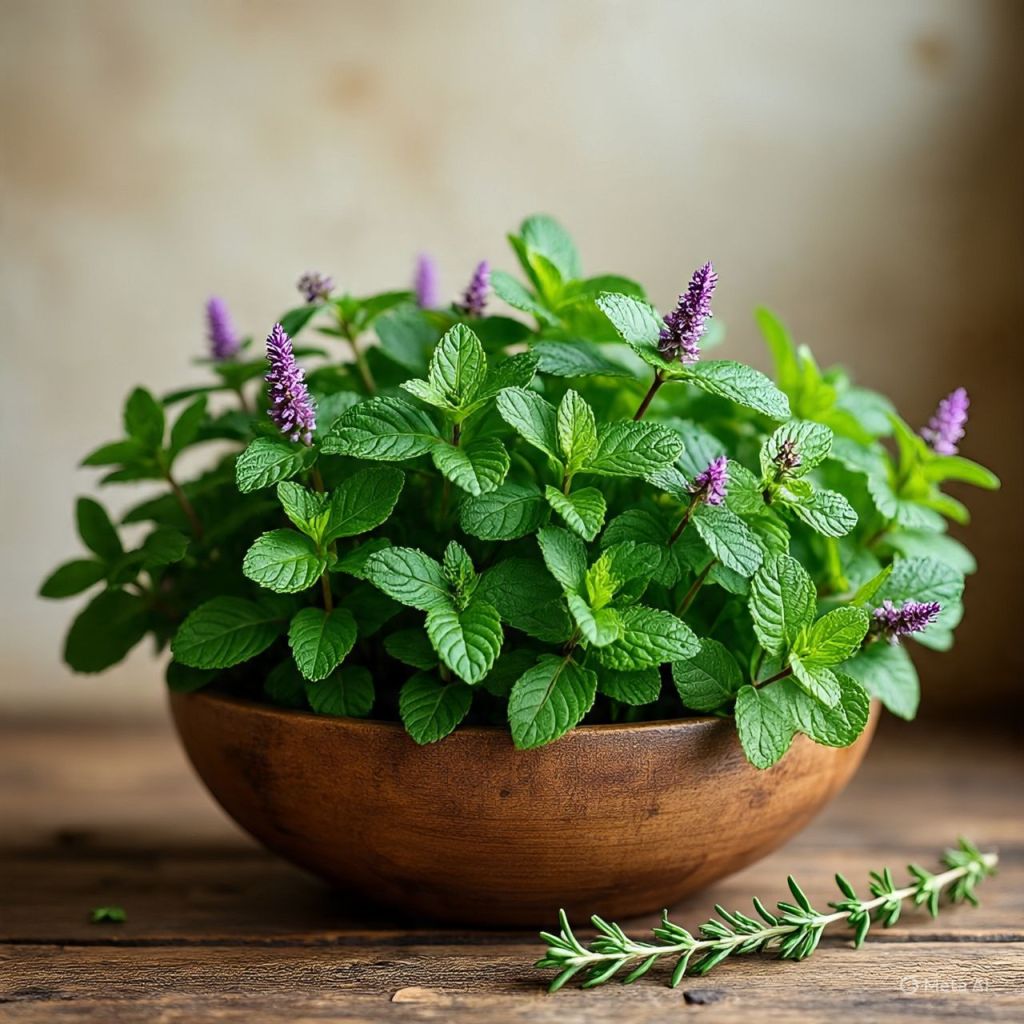


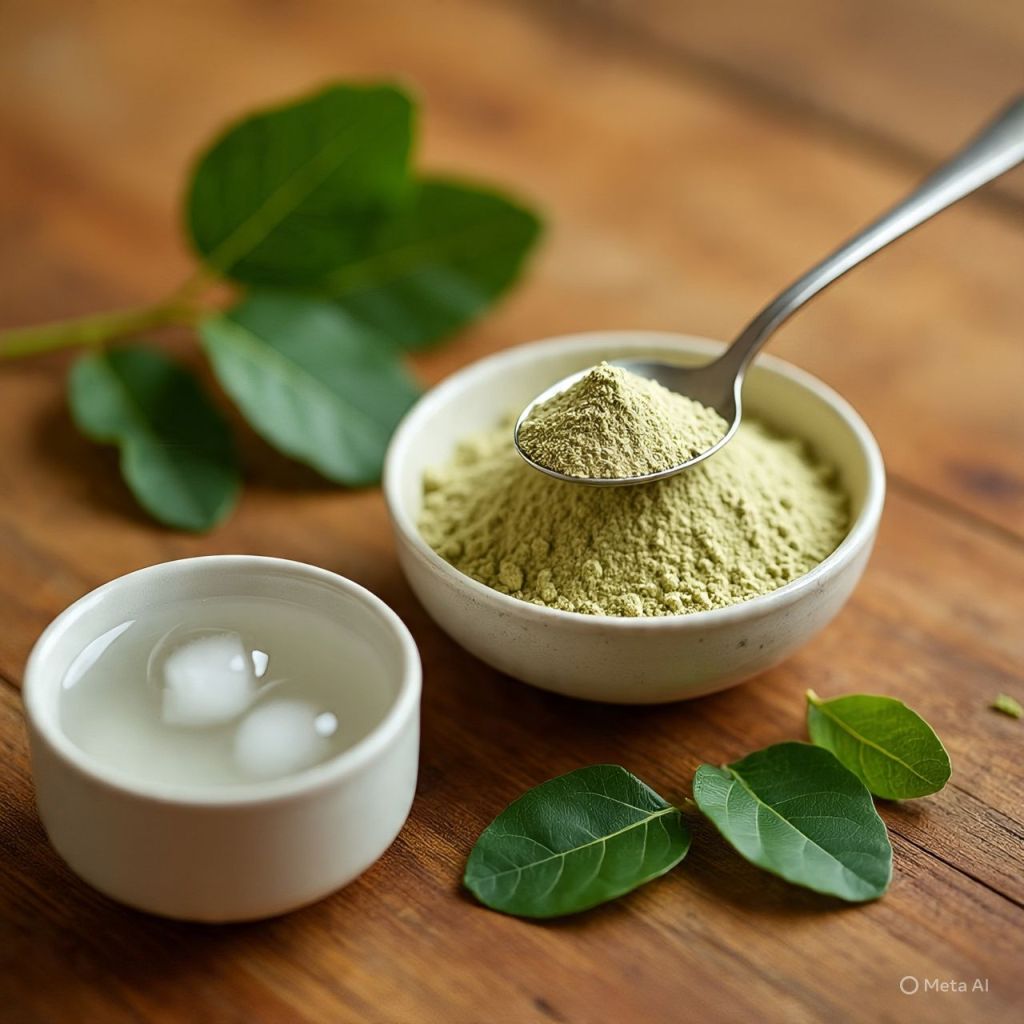

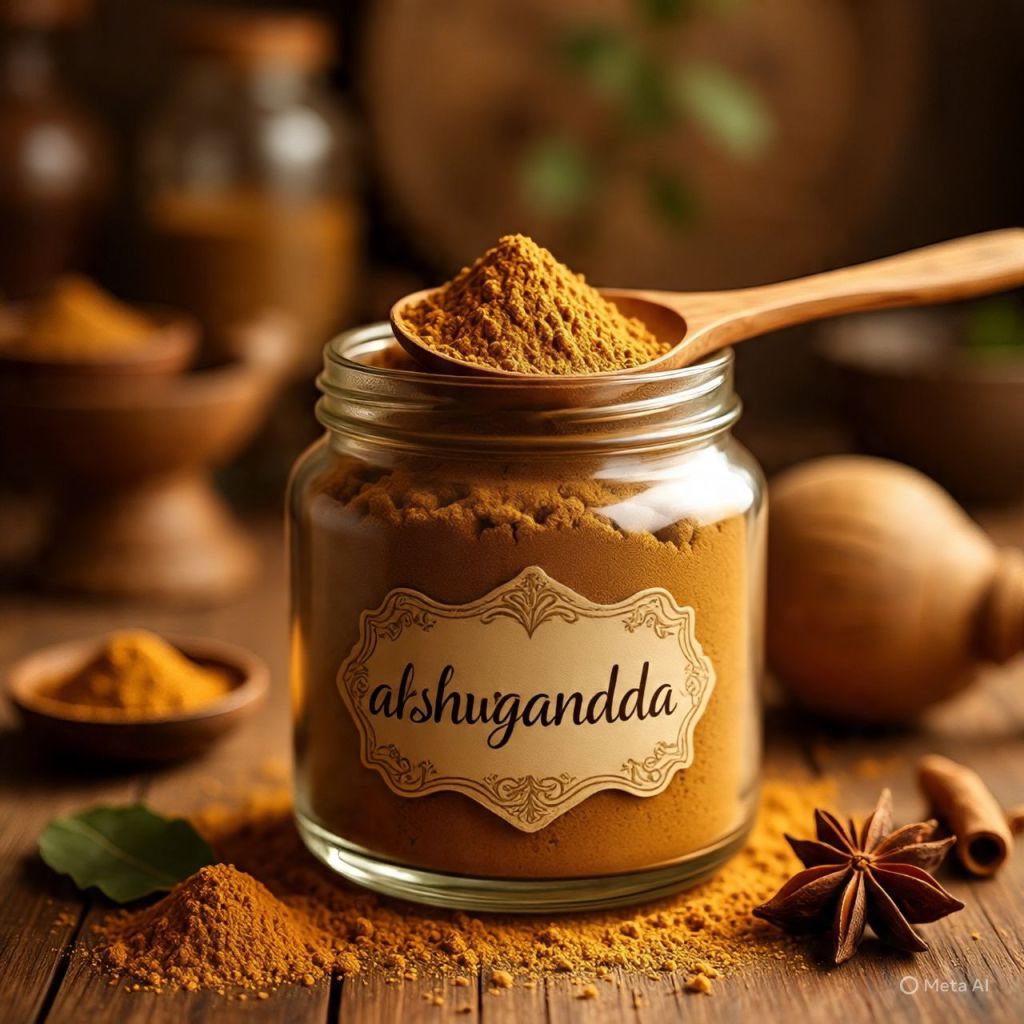




 When The Body Speaks Online