
Skip to content
    • About
    • Blog
    • Contact
    • Cookie Consent & GDPR Compliance
    • Home Page
    • Privacy Policy
    • Terms and Conditions
    • When the Body Speaks: The Herbal Path to True Healing Book|Alfred Okoko
    • When the Body Speaks|By Alfred Okoko

When The Body Speaks Online

  • Managing Arthritis Pain During Cold Weather: A Complete Home Remedies Guide|When The Body Speaks Online 📖

    February 14th, 2026
    Arthritis Relief

    Practical, evidence-informed tips to manage arthritis pain during cold weather months. Learn how temperature affects joints and discover safe home remedies, daily routines, and lifestyle strategies to stay mobile and comfortable all winter.

    Introduction

    If your joints start to ache the moment temperatures drop, you’re definitely not alone. Many people living with arthritis notice increased stiffness, swelling, and pain during colder months. For members of our arthritis home remedies community, winter can feel like a long season of discomfort — but there are real, practical ways to stay ahead of the pain.

    This guide brings together science-backed insights and gentle home strategies to help you protect your joints, maintain mobility, and keep pain manageable when the weather turns cold.

    Why Cold Weather Makes Arthritis Feel Worse

    Before we jump into solutions, it helps to understand what’s happening inside your body.

    Cold weather affects arthritis symptoms through several mechanisms:

    1. Barometric Pressure Changes

    Lower atmospheric pressure allows tissues surrounding joints to expand slightly, which can increase discomfort in already sensitive areas.

    2. Reduced Blood Circulation

    Cold temperatures cause blood vessels to constrict. Less circulation means muscles stiffen and joints feel tighter.

    3. Decreased Activity Levels

    People tend to move less in winter. Less movement equals less joint lubrication — and more stiffness.

    4. Muscle Tightness

    Cold muscles contract more easily, putting extra stress on joints affected by arthritis.

    Organizations like the Arthritis Foundation and the National Institute of Arthritis and Musculoskeletal and Skin Diseases both recognize temperature sensitivity as a common trigger for arthritis flare-ups.

    The good news? You can counter each of these factors with simple daily habits.

    Warmth Is Your First Line of Defense

    Heat therapy is one of the most effective natural pain relievers for arthritis.

    Use Layered Clothing Strategically

    Wear multiple thin layers rather than one bulky garment. This traps heat more efficiently and allows adjustment as your body temperature changes.

    Focus on protecting:

    • Knees
    • Hands
    • Feet
    • Lower back
    • Neck and shoulders

    Thermal gloves and socks are especially helpful for people with hand or foot arthritis.

    Try Moist Heat Therapy

    Moist heat penetrates deeper than dry heat and can ease stiffness quickly.

    Options include:

    • Warm showers
    • Heated towels
    • Warm baths
    • Moist heating pads
    • Paraffin wax treatments for hands

    Apply heat for 15–20 minutes at a time. Many people find morning heat therapy dramatically improves mobility for the day.

    Keep Your Body Moving (Even When You Don’t Feel Like It)

    Movement lubricates joints by increasing synovial fluid circulation. Even gentle activity can prevent stiffness from setting in.

    Best Winter-Friendly Exercises

    Low-impact activities protect joints while maintaining strength.

    Highly recommended options:

    • Indoor walking
    • Stretching routines
    • Yoga or chair yoga
    • Tai chi
    • Light resistance training
    • Water exercises in heated pools

    Consistency matters more than intensity. Aim for daily movement, even if sessions are short.

    The “Warm-Up Rule”

    Never start activity cold. Always warm joints first with:

    • Heat therapy
    • Gentle range-of-motion movements
    • Slow stretching

    This reduces injury risk and improves flexibility.

    Eat Foods That Naturally Fight Inflammation

    Diet plays a powerful role in arthritis management, especially when cold weather increases inflammation.

    Anti-Inflammatory Foods to Emphasize

    Omega-3 rich foods

    • Fatty fish (salmon, sardines, mackerel)
    • Chia seeds
    • Walnuts

    Antioxidant-rich foods

    • Berries
    • Leafy greens
    • Colorful vegetables
    • Green tea

    Natural anti-inflammatory spices

    • Turmeric
    • Ginger
    • Cinnamon

    Hydration Matters in Winter

    People often drink less water in cold weather. Dehydration can worsen joint stiffness.

    Aim for:

    • Warm herbal teas
    • Broths
    • Room-temperature water
    • Hydrating fruits

    Maintain a Healthy Indoor Environment

    Your home environment significantly impacts arthritis comfort.

    Keep Rooms Comfortably Warm

    Cold indoor air stiffens joints quickly. Maintain a steady, comfortable temperature rather than allowing large fluctuations.

    Manage Humidity Levels

    Extremely dry air can increase joint discomfort and muscle tension. A humidifier may help maintain joint comfort and skin health.

    Create a Joint-Friendly Living Space

    Small adjustments reduce strain:

    • Supportive chairs with armrests
    • Cushioned floor mats in kitchen areas
    • Easy-to-grip handles and tools
    • Heated blankets for relaxation

    Natural Pain Relief Techniques That Work

    Many home remedies offer meaningful relief without medication.

    Gentle Massage

    Massage improves circulation and relaxes tight muscles around joints. Use warming oils or creams to enhance comfort.

    Epsom Salt Baths

    Magnesium in Epsom salt may help relax muscles and reduce soreness. A 15–20 minute warm soak can ease stiffness noticeably.

    Mind-Body Techniques

    Pain perception is influenced by stress and tension. Consider:

    • Deep breathing
    • Guided relaxation
    • Meditation
    • Gentle mindfulness exercises

    These approaches can reduce pain intensity and improve coping ability.

    Improve Sleep to Reduce Pain Sensitivity

    Poor sleep increases pain perception and inflammation. Winter routines often disrupt sleep patterns, so intentional habits matter.

    Sleep Support Tips

    • Use supportive pillows for joint alignment
    • Maintain a consistent sleep schedule
    • Keep bedroom warm but not overheated
    • Try a warm bath before bed
    • Limit caffeine late in the day

    Quality rest allows the body to repair tissues and regulate inflammation.

    Support Your Joints With Smart Daily Habits

    Small lifestyle choices accumulate into big relief.

    Protect Joints During Activities

    Use assistive tools when needed. Protecting joints reduces long-term damage.

    Examples:

    • Jar openers
    • Ergonomic utensils
    • Support braces
    • Compression gloves

    Maintain a Healthy Body Weight

    Extra weight increases pressure on weight-bearing joints like knees and hips. Even modest weight reduction can significantly reduce pain.

    Pace Yourself

    Overexertion leads to flare-ups. Balance activity with rest periods.

    A helpful rule: Move → Rest → Repeat

    Vitamin D and Sunlight in Winter

    Reduced sunlight exposure during colder months can lower vitamin D levels, which may influence inflammation and bone health.

    Safe strategies include:

    • Brief sunlight exposure when available
    • Vitamin D-rich foods
    • Discussing supplementation with a healthcare professional

    Emotional Wellbeing Matters More in Winter

    Cold weather can also affect mood, which in turn influences pain perception.

    Living with chronic pain is physically and emotionally demanding. Winter isolation can make symptoms feel heavier.

    Helpful coping strategies:

    • Stay socially connected
    • Engage in hobbies
    • Maintain daily routines
    • Practice gratitude or journaling
    • Seek support from communities like yours

    Pain management is not only physical — emotional support is a real part of treatment.

    When to Seek Professional Guidance

    Home remedies are powerful, but persistent or worsening symptoms should be evaluated by a healthcare professional.

    Seek medical advice if you experience:

    • Severe swelling
    • Sudden joint deformity
    • Significant loss of mobility
    • Pain that does not respond to usual methods

    A tailored treatment plan can complement home strategies.

    A Practical Daily Winter Arthritis Routine

    Here’s a simple structure many people find helpful:

    Morning

    • Heat therapy
    • Gentle stretching
    • Anti-inflammatory breakfast

    Midday

    • Light movement or walk
    • Hydration
    • Warm clothing adjustment

    Evening

    • Warm bath or shower
    • Relaxation practice
    • Joint-friendly positioning for sleep

    Consistency is the real secret.

    Encouragement for Our Community

    If winter makes your arthritis worse, that experience is real and shared by millions. Managing symptoms is not about eliminating pain completely — it’s about improving comfort, movement, and quality of life day by day.

    Your body responds to warmth, movement, nourishment, and care. Small steps practiced consistently often bring the biggest relief.

    You’re not powerless against cold-weather arthritis. With the right strategies, winter can become manageable — even comfortable.

    And most importantly, you’re not facing it alone.

    Key Takeaways

    • Cold weather increases arthritis symptoms through circulation changes, pressure shifts, and reduced movement
    • Heat therapy is one of the most effective natural pain relief tools
    • Daily gentle movement prevents stiffness
    • Anti-inflammatory nutrition supports joint health
    • Sleep, stress management, and emotional wellbeing influence pain levels
    • Consistency is more powerful than intensity

    Share Your Experience

    What helps your joints the most during cold weather?

    Your experience could help someone else find relief. Community knowledge is one of the most powerful home remedies we have.

    Read More Articles
    • From Awareness to Action: How to Turn What You Know Into Real Health, Freedom, and Results|When The Body Speaks Online 📖
      Writer: Alfred Okoko, Founder of the Natural Remission Protocol.“I help people reverse chronic conditions naturally and reclaim their health.” Discover how to turn awareness into action with simple daily habits that support real health, freedom, and clarity. Learn how to stop overthinking and start living intentionally. Introduction Awareness is powerful. It opens your eyes.It changes… Read more: From Awareness to Action: How to Turn What You Know Into Real Health, Freedom, and Results|When The Body Speaks Online 📖
    • Common Mistakes People Make When Trying to Heal Naturally (And How to Avoid Them)|When The Body Speaks Online 📖
      Writer: Alfred Okoko, Founder of the Natural Remission Protocols“I help people reverse chronic conditions naturally and reclaim their health.” Avoid the most common mistakes people make when trying to heal naturally—learn what slows progress and how to achieve real, lasting results. Introduction Natural healing is powerful. It’s helped countless people reduce symptoms, regain energy, and… Read more: Common Mistakes People Make When Trying to Heal Naturally (And How to Avoid Them)|When The Body Speaks Online 📖
    • Erectile Dysfunction Home Remedies: Supporting Circulation, Confidence, and Whole-Body Health|When The Body Speaks Online 📖
      Discover supportive home remedies for erectile dysfunction that focus on circulation, stress reduction, and whole-body health. Natural strategies inspired by When The Body Speaks. Introduction Erectile dysfunction (ED) is often discussed only in physical terms, yet it is closely connected to circulation, stress levels, emotional wellbeing, energy balance, and lifestyle patterns. For many men, changes… Read more: Erectile Dysfunction Home Remedies: Supporting Circulation, Confidence, and Whole-Body Health|When The Body Speaks Online 📖
    • Psychoneuroimmunology: How Thoughts and Emotions Influence the Immune System and Healing|When The Body Speaks Online 📖
      Writer: Alfred Okoko, Founder of the Natural Remission Protocols“I help people reverse chronic conditions naturally and reclaim their health.” Discover how psychoneuroimmunology reveals the powerful connection between the mind and immune system. Learn how thoughts, emotions, and stress hormones influence inflammation, healing, and recovery. Introduction For many years, medicine treated the mind and body as… Read more: Psychoneuroimmunology: How Thoughts and Emotions Influence the Immune System and Healing|When The Body Speaks Online 📖
    • Belief Does Not Cure Disease—But It Can Open the Door to Healing|When The Body Speaks Online 📖
      Writer: Alfred Okoko, Founder of the Natural Remission Protocols“I help people reverse chronic conditions naturally and reclaim their health.” Belief alone may not cure disease, but it can powerfully influence healing. Discover how mindset, hope, and emotional resilience support the body’s natural recovery process. Introduction In the world of health and wellness, there are two… Read more: Belief Does Not Cure Disease—But It Can Open the Door to Healing|When The Body Speaks Online 📖

  • How to Talk to Your Partner About Erectile Dysfunction: A Compassionate Guide for Couples|When The Body Speaks Online 📖

    February 14th, 2026
    Couples Communication

    Learn how to talk to your partner about erectile dysfunction with honesty, confidence, and compassion. Discover practical communication strategies, emotional support techniques, and relationship-strengthening approaches that help couples navigate ED together.

    Introduction

    Erectile dysfunction (ED) is far more common than many people realize, yet conversations about it often feel isolating, uncomfortable, or even shame-filled. For couples, the emotional impact can be just as significant as the physical symptoms. Silence can create distance. Honest conversation can create connection.

    If you’re wondering how to bring up erectile dysfunction with your partner—or how to respond when your partner opens up—you are not alone. Many couples move through this challenge successfully and often emerge with stronger emotional intimacy, deeper trust, and a more fulfilling connection overall.

    This guide offers practical communication tools, emotional insights, and relationship-strengthening strategies to help you navigate erectile dysfunction together with confidence and care.

    Understanding the Emotional Landscape of Erectile Dysfunction

    Before discussing strategies, it helps to understand why ED conversations can feel so difficult.

    For many men, erections are tied—fairly or unfairly—to identity, masculinity, confidence, and desirability. When ED occurs, it can trigger:

    • Embarrassment or shame
    • Fear of disappointing a partner
    • Anxiety about future intimacy
    • Avoidance of sexual situations
    • Loss of self-esteem

    Partners may experience their own emotional reactions, such as:

    • Worry about the relationship
    • Fear of not being attractive
    • Confusion about what to say
    • Frustration from lack of communication
    • Desire to help but uncertainty how

    Recognizing that both people may feel vulnerable helps shift the conversation from “problem to fix” toward “experience to share.”

    Why Communication Matters More Than Performance

    Many couples assume erectile dysfunction is primarily a physical issue. In reality, communication often determines whether ED becomes a wedge between partners or a bridge that strengthens connection.

    Open conversation helps couples:

    • Reduce pressure and anxiety
    • Prevent misunderstandings
    • Maintain emotional closeness
    • Explore new forms of intimacy
    • Seek solutions together
    • Preserve trust

    Silence, on the other hand, tends to create assumptions. One partner may think the other has lost interest. The other may believe they are disappointing their partner. Neither assumption is usually true—but without conversation, both can feel real.

    Choosing the Right Moment to Talk

    Timing shapes the entire tone of the conversation.

    Avoid discussing ED:

    • During sexual activity
    • Immediately after a difficult experience
    • When either partner is stressed or distracted
    • In moments of frustration

    Instead, choose a neutral, private, calm setting. A relaxed moment—such as sitting together at home or taking a quiet walk—creates psychological safety.

    A gentle opening might be:

    “I want to talk about something important to me because I care about us.”

    This signals partnership rather than blame.

    How to Start the Conversation Without Creating Pressure

    The goal is not to solve everything in one talk. The goal is connection.

    Use “I” Language

    Speak from personal experience rather than assumptions.

    Helpful examples:

    • “I care about you and want us to feel comfortable together.”
    • “I miss feeling relaxed and close during intimacy.”
    • “I want us to face this as a team.”

    Avoid:

    • “You never…”
    • “Why can’t you…”
    • “What’s wrong with you?”

    Language that feels like evaluation triggers defensiveness. Language that expresses care invites openness.

    If You Are the Partner Experiencing ED

    Opening up may feel incredibly vulnerable. That’s understandable. But honesty often brings relief.

    You might say:

    “I’ve been feeling anxious about intimacy because I’m dealing with erectile issues. I want to talk about it instead of avoiding it.”

    Key principles:

    • Speak honestly, not apologetically
    • Share feelings, not just facts
    • Invite support rather than hiding struggle
    • Allow your partner to respond emotionally

    Many partners feel grateful simply to be trusted with the truth.

    If Your Partner Has Erectile Dysfunction

    Your reaction shapes how safe future conversations will feel.

    What Helps Most

    • Express reassurance of attraction
    • Emphasize emotional closeness
    • Avoid linking love to performance
    • Show patience without pity

    Supportive responses include:

    • “We’ll figure this out together.”
    • “I care about you, not just sex.”
    • “Thank you for trusting me.”

    Even small signals of acceptance reduce anxiety significantly.

    Managing Emotional Reactions Together

    It is normal for conversations about ED to bring up strong feelings. Some couples encounter sadness, frustration, fear, or grief about changes in sexual experiences.

    Healthy approaches include:

    Normalize the Experience

    ED is extremely common and often treatable. Viewing it as a shared challenge reduces isolation.

    Separate Identity from Function

    Erectile performance does not define masculinity, attractiveness, or worth.

    Allow Imperfect Conversations

    You don’t need perfect words. Honest effort matters more.

    Practice Active Listening

    Listening without interruption, correction, or immediate problem-solving helps partners feel understood.

    Redefining Intimacy Beyond Erections

    One of the most powerful shifts couples can make is redefining intimacy.

    Sexual connection includes:

    • Touch
    • Affection
    • Emotional presence
    • Sensual experiences
    • Mutual pleasure
    • Communication

    When intimacy becomes broader than performance, pressure decreases and closeness often increases.

    Many couples discover:

    • More exploration
    • More creativity
    • Deeper emotional connection
    • Reduced anxiety around sex

    Ironically, reducing pressure often improves physical response as well.

    Addressing Anxiety and Performance Pressure

    Anxiety is both a cause and a consequence of erectile dysfunction. Breaking this cycle is essential.

    Helpful strategies include:

    Remove Goal-Oriented Thinking

    Focus on experience rather than outcome.

    Slow the Pace of Intimacy

    Rushing increases stress. Slowing down encourages relaxation.

    Maintain Physical Affection Outside Sex

    Touch without expectation builds comfort.

    Avoid Avoidance

    Avoiding intimacy entirely strengthens fear. Gentle engagement builds confidence.

    Working as a Team Toward Solutions

    ED is a shared experience within a relationship, even though it occurs in one body. Treating it as a joint challenge promotes unity.

    Possible collaborative steps:

    • Discuss lifestyle changes
    • Explore stress reduction
    • Consider medical consultation
    • Learn about treatment options
    • Support emotional well-being

    Approaching solutions together communicates partnership rather than pressure.

    When Professional Support Can Help

    Some couples benefit from outside guidance. This is not a sign of failure—it is a proactive step.

    Consider support if:

    • Conversations feel stuck
    • Anxiety is persistent
    • Relationship tension increases
    • Avoidance becomes common
    • Emotional distress is high

    Healthcare professionals, therapists, or sexual health specialists can provide both medical and relational support.

    Strengthening the Relationship Through Vulnerability

    Many couples report an unexpected outcome: ED conversations deepen emotional intimacy.

    Why?

    Because vulnerability builds trust.

    When partners share fears openly, they communicate:

    • Safety
    • Acceptance
    • Commitment
    • Emotional presence

    The relationship shifts from performance-based intimacy toward connection-based intimacy.

    This is often more resilient and satisfying in the long term.

    Common Mistakes Couples Should Avoid

    Even with good intentions, certain reactions can unintentionally create distance.

    Avoid Minimizing the Experience

    Statements like “It’s not a big deal” may dismiss real feelings.

    Avoid Personalizing the Issue

    ED is rarely about attraction.

    Avoid Silence

    Unspoken concerns grow stronger.

    Avoid Pressure to “Fix It Quickly”

    Patience fosters progress.

    Avoid Humor That Masks Discomfort

    Lightness is helpful, but avoidance is not.

    Building a Supportive Communication Pattern

    Healthy communication is not one conversation—it is an ongoing pattern.

    Couples who navigate ED successfully often:

    • Check in regularly
    • Share feelings honestly
    • Express appreciation
    • Celebrate small improvements
    • Maintain emotional closeness

    The goal is not perfection. The goal is partnership.


    How ED Can Ultimately Strengthen Relationships

    While erectile dysfunction is challenging, many couples find unexpected growth.

    Potential positive outcomes include:

    • Stronger emotional intimacy
    • More honest communication
    • Expanded understanding of sexuality
    • Greater empathy
    • Reduced performance pressure
    • Deeper trust

    Relationships often thrive when partners face difficulty together rather than alone.

    Final Thoughts: You Are Not Facing This Alone

    Talking about erectile dysfunction requires courage, compassion, and patience—from both partners. The conversation may feel uncomfortable at first, but avoidance rarely protects relationships. Honest communication does.

    When partners choose openness over silence, understanding over assumption, and connection over performance, erectile dysfunction becomes not just a challenge—but an opportunity for deeper intimacy.

    If you are navigating this journey, remember:

    You are not broken.
    Your relationship is not defined by performance.
    Connection is built through communication.
    And partnership is the most powerful support system you have.

    Read More Articles
    • From Awareness to Action: How to Turn What You Know Into Real Health, Freedom, and Results|When The Body Speaks Online 📖
      Writer: Alfred Okoko, Founder of the Natural Remission Protocol.“I help people reverse chronic conditions naturally and reclaim their health.” Discover how to turn awareness into action with simple daily habits that support real health, freedom, and clarity. Learn how to stop overthinking and start living intentionally. Introduction Awareness is powerful. It opens your eyes.It changes… Read more: From Awareness to Action: How to Turn What You Know Into Real Health, Freedom, and Results|When The Body Speaks Online 📖
    • Common Mistakes People Make When Trying to Heal Naturally (And How to Avoid Them)|When The Body Speaks Online 📖
      Writer: Alfred Okoko, Founder of the Natural Remission Protocols“I help people reverse chronic conditions naturally and reclaim their health.” Avoid the most common mistakes people make when trying to heal naturally—learn what slows progress and how to achieve real, lasting results. Introduction Natural healing is powerful. It’s helped countless people reduce symptoms, regain energy, and… Read more: Common Mistakes People Make When Trying to Heal Naturally (And How to Avoid Them)|When The Body Speaks Online 📖
    • Erectile Dysfunction Home Remedies: Supporting Circulation, Confidence, and Whole-Body Health|When The Body Speaks Online 📖
      Discover supportive home remedies for erectile dysfunction that focus on circulation, stress reduction, and whole-body health. Natural strategies inspired by When The Body Speaks. Introduction Erectile dysfunction (ED) is often discussed only in physical terms, yet it is closely connected to circulation, stress levels, emotional wellbeing, energy balance, and lifestyle patterns. For many men, changes… Read more: Erectile Dysfunction Home Remedies: Supporting Circulation, Confidence, and Whole-Body Health|When The Body Speaks Online 📖
    • Psychoneuroimmunology: How Thoughts and Emotions Influence the Immune System and Healing|When The Body Speaks Online 📖
      Writer: Alfred Okoko, Founder of the Natural Remission Protocols“I help people reverse chronic conditions naturally and reclaim their health.” Discover how psychoneuroimmunology reveals the powerful connection between the mind and immune system. Learn how thoughts, emotions, and stress hormones influence inflammation, healing, and recovery. Introduction For many years, medicine treated the mind and body as… Read more: Psychoneuroimmunology: How Thoughts and Emotions Influence the Immune System and Healing|When The Body Speaks Online 📖
    • Belief Does Not Cure Disease—But It Can Open the Door to Healing|When The Body Speaks Online 📖
      Writer: Alfred Okoko, Founder of the Natural Remission Protocols“I help people reverse chronic conditions naturally and reclaim their health.” Belief alone may not cure disease, but it can powerfully influence healing. Discover how mindset, hope, and emotional resilience support the body’s natural recovery process. Introduction In the world of health and wellness, there are two… Read more: Belief Does Not Cure Disease—But It Can Open the Door to Healing|When The Body Speaks Online 📖

  • Living More Comfortably With Arthritis: Supportive Home Remedies for Everyday Relief|When The Body Speaks Online 📖

    February 14th, 2026
    Natural Pain Support

    Support arthritis relief at home with practical daily habits that ease stiffness, protect joints, and improve mobility. Learn natural strategies inspired by When The Body Speaks.

    Introduction

    Arthritis often changes how we move, rest, and relate to our bodies. Stiff joints in the morning, discomfort after activity, and reduced flexibility can feel limiting — yet these experiences are also meaningful signals. They reflect how the body responds to strain, recovery, nourishment, and emotional stress.

    While arthritis is a long-term condition for many people, supportive home practices can help improve mobility, reduce discomfort, and strengthen confidence in daily movement. Relief does not come from force but from consistent care that respects the body’s rhythm.

    This article explores practical home remedies for arthritis that support joint function through awareness, balance, and gentle daily action.


    The Principle of “Protect While You Move”

    One of the most effective approaches to arthritis care is learning how to stay active without overloading the joints. Movement supports circulation and flexibility, while protection prevents unnecessary strain.

    This balance can be supported through:

    • Controlled, deliberate movements
    • Avoiding sudden or jerky actions
    • Using both sides of the body evenly
    • Taking short breaks during activity
    • Moving within a comfortable range

    When movement is protective rather than forceful, joints often respond with greater ease.

    Home Remedy 1: Heat and Comfort for Stiff Joints

    Warmth is one of the most accessible arthritis supports. It encourages circulation and helps surrounding muscles relax.

    Simple methods include:

    • Warm compresses applied to stiff areas
    • Warm showers to loosen joints before activity
    • Keeping joints comfortably covered in cooler weather
    • Gentle stretching in a warm environment

    Warmth prepares the body for movement and can reduce early stiffness.

    Home Remedy 2: Micro-Movement Throughout the Day

    Instead of long exercise sessions, many people benefit from frequent small movements.

    Supportive practices include:

    • Changing position every 30–60 minutes
    • Light stretching during daily routines
    • Standing and walking briefly after sitting
    • Rotating joints gently before tasks

    These micro-movements prevent stiffness from accumulating and support steady circulation.

    Home Remedy 3: Supportive Nutrition for Tissue Health

    Nutrition provides the raw materials for joint support and recovery.

    Helpful habits include:

    • Eating balanced meals at regular times
    • Including a variety of plant-based foods
    • Maintaining steady hydration
    • Reducing heavily processed foods

    Consistent nourishment supports the body’s natural repair processes.

    Home Remedy 4: Protecting Joints During Daily Tasks

    Many daily activities can be modified to reduce strain.

    Supportive strategies include:

    • Using larger joints instead of smaller ones when lifting
    • Holding objects close to the body
    • Using supportive tools for gripping
    • Avoiding prolonged repetitive motions

    Protection allows joints to function without unnecessary stress.

    Home Remedy 5: Restorative Evening Routine

    Joint recovery often improves with a calming evening routine that supports relaxation and circulation.

    A restorative pattern may include:

    • Gentle stretching before sleep
    • Warmth therapy for stiff joints
    • Quiet relaxation to reduce tension
    • Consistent sleep timing

    Quality rest supports recovery from daily activity.

    Home Remedy 6: Breathing and Muscle Relaxation

    Muscle tension around joints can increase discomfort. Conscious relaxation supports comfort.

    Simple techniques include:

    • Slow, steady breathing
    • Relaxing shoulders and jaw
    • Releasing tension in surrounding muscles
    • Pausing when discomfort increases

    Relaxation helps reduce pain amplification caused by tension.

    Home Remedy 7: Environmental Support for Joint Care

    Your environment can either increase or reduce strain.

    Helpful adjustments include:

    • Supportive seating with proper alignment
    • Organized spaces that reduce unnecessary reaching
    • Safe walking surfaces
    • Comfortable temperature control

    A supportive environment reduces cumulative joint stress.

    Observing How Your Body Responds

    One of the most valuable home remedies is awareness. The body often reveals patterns that guide care.

    Consider observing:

    • When stiffness is most noticeable
    • Which activities improve mobility
    • How weather affects comfort
    • How rest influences flexibility
    • How emotional stress impacts pain

    Awareness helps transform arthritis management into responsive care.

    The Emotional Dimension of Chronic Joint Conditions

    Living with persistent discomfort can affect mood and motivation. Supporting emotional wellbeing is part of physical care.

    Helpful approaches include:

    • Practicing patience with recovery
    • Recognizing progress in small improvements
    • Maintaining supportive social connections
    • Allowing the body time to adapt

    Emotional balance supports physical resilience.

    Building a Sustainable Arthritis Care Routine

    Long-term comfort often comes from predictable, supportive routines.

    A balanced daily pattern may include:

    Morning
    • Warmth and gentle mobility
    • Hydration and nourishment

    Daytime
    • Regular movement breaks
    • Protective activity habits

    Evening
    • Relaxation and recovery practices
    • Restorative sleep preparation

    Consistency strengthens the body’s ability to adapt.

    A Whole-Body Perspective on Joint Health

    Arthritis is influenced by multiple interacting systems — movement, circulation, nutrition, rest, and emotional regulation. Supporting the whole system often improves joint comfort.

    When care is integrated, many people notice:

    • Greater flexibility
    • Reduced stiffness intensity
    • Improved energy levels
    • More confident movement
    • Better daily function

    Whole-body care supports long-term resilience.

    Listening to the Messages Behind Symptoms

    Joint discomfort is often a signal rather than an obstacle. It may reflect:

    • Need for balance between activity and rest
    • Accumulated physical strain
    • Inflammatory response
    • Recovery requirements
    • Stress-related tension

    Responding to these signals with supportive habits can transform how arthritis is experienced.

    Deepening Understanding of Body Communication

    Physical symptoms are part of the body’s communication system. Learning to interpret them can guide healthier daily choices and support long-term wellbeing.

    If you would like to explore how physical sensations reflect deeper patterns — and how to respond with awareness — these ideas are explored more fully in my book.

    👉 When The Body Speaks is available now on Payhip:

    https://payhip.com/b/6hDiH                  

    The book offers practical insight into understanding body signals and supporting health through mindful awareness.

    Final Reflection

    Home remedies for arthritis are most effective when they focus on support, balance, and consistency. Gentle movement, warmth, nourishment, rest, and awareness create a foundation for improved comfort and function.

    Your body is communicating needs for care and protection. Listening with patience allows you to respond with wisdom — and to move through daily life with greater ease.

    Read More Articles
    • From Awareness to Action: How to Turn What You Know Into Real Health, Freedom, and Results|When The Body Speaks Online 📖
      Writer: Alfred Okoko, Founder of the Natural Remission Protocol.“I help people reverse chronic conditions naturally and reclaim their health.” Discover how to turn awareness into action with simple daily habits that support real health, freedom, and clarity. Learn how to stop overthinking and start living intentionally. Introduction Awareness is powerful. It opens your eyes.It changes… Read more: From Awareness to Action: How to Turn What You Know Into Real Health, Freedom, and Results|When The Body Speaks Online 📖
    • Common Mistakes People Make When Trying to Heal Naturally (And How to Avoid Them)|When The Body Speaks Online 📖
      Writer: Alfred Okoko, Founder of the Natural Remission Protocols“I help people reverse chronic conditions naturally and reclaim their health.” Avoid the most common mistakes people make when trying to heal naturally—learn what slows progress and how to achieve real, lasting results. Introduction Natural healing is powerful. It’s helped countless people reduce symptoms, regain energy, and… Read more: Common Mistakes People Make When Trying to Heal Naturally (And How to Avoid Them)|When The Body Speaks Online 📖
    • Erectile Dysfunction Home Remedies: Supporting Circulation, Confidence, and Whole-Body Health|When The Body Speaks Online 📖
      Discover supportive home remedies for erectile dysfunction that focus on circulation, stress reduction, and whole-body health. Natural strategies inspired by When The Body Speaks. Introduction Erectile dysfunction (ED) is often discussed only in physical terms, yet it is closely connected to circulation, stress levels, emotional wellbeing, energy balance, and lifestyle patterns. For many men, changes… Read more: Erectile Dysfunction Home Remedies: Supporting Circulation, Confidence, and Whole-Body Health|When The Body Speaks Online 📖
    • Psychoneuroimmunology: How Thoughts and Emotions Influence the Immune System and Healing|When The Body Speaks Online 📖
      Writer: Alfred Okoko, Founder of the Natural Remission Protocols“I help people reverse chronic conditions naturally and reclaim their health.” Discover how psychoneuroimmunology reveals the powerful connection between the mind and immune system. Learn how thoughts, emotions, and stress hormones influence inflammation, healing, and recovery. Introduction For many years, medicine treated the mind and body as… Read more: Psychoneuroimmunology: How Thoughts and Emotions Influence the Immune System and Healing|When The Body Speaks Online 📖
    • Belief Does Not Cure Disease—But It Can Open the Door to Healing|When The Body Speaks Online 📖
      Writer: Alfred Okoko, Founder of the Natural Remission Protocols“I help people reverse chronic conditions naturally and reclaim their health.” Belief alone may not cure disease, but it can powerfully influence healing. Discover how mindset, hope, and emotional resilience support the body’s natural recovery process. Introduction In the world of health and wellness, there are two… Read more: Belief Does Not Cure Disease—But It Can Open the Door to Healing|When The Body Speaks Online 📖

  • How Foods Affect Peptic Ulcers: What You Eat Shapes Your Stomach’s Protection

    February 12th, 2026
    Nutrition For Healing

    Learn how foods affect peptic ulcers, which foods protect the stomach lining, and how diet can support healing and long-term digestive resilience.

    Introduction

    Food is more than fuel — it directly influences how well your stomach protects and repairs itself. For people dealing with peptic ulcers, diet can either support healing or contribute to irritation. Some foods help strengthen the stomach’s natural defenses, while others may challenge an already sensitive digestive lining.

    Understanding how foods interact with stomach acid, mucus protection, and tissue repair can transform everyday eating into a powerful tool for digestive resilience. The goal is not just to avoid discomfort, but to create an environment where the stomach can heal and remain protected over time.

    Let’s explore how different foods influence ulcer development, protection, and recovery.

    Peptic Ulcers: A Matter of Balance

    The stomach is designed to handle strong acid, but only when its protective system is functioning well. This protection relies on:

    • A thick mucus barrier
    • Rapid renewal of lining cells
    • Adequate blood flow to stomach tissue
    • Balanced acid production

    When protective factors weaken or acid exposure overwhelms defenses, tissue damage can occur. Food plays a direct role in maintaining — or disrupting — this balance.

    How Food Interacts with Stomach Acid

    Every meal triggers digestive processes. The stomach releases acid and enzymes to break down food. Different foods influence this process in different ways.

    Some foods:

    • Stimulate excessive acid production
    • Delay stomach emptying
    • Irritate sensitive tissue
    • Increase inflammation

    Other foods:

    • Support mucus production
    • Provide nutrients for tissue repair
    • Help buffer irritation
    • Promote digestive stability

    This contrast explains why diet matters deeply in ulcer support.

    Foods That Support the Stomach’s Protective Barrier

    Healing and protection depend on strengthening the stomach’s natural defenses. Certain foods help reinforce this protective system by encouraging mucus production, supporting cell regeneration, and reducing irritation.

    Gentle, Easy-to-Digest Foods

    Soft, mild foods place less strain on the stomach and reduce irritation. These foods are easier for a sensitive digestive system to handle.

    Fiber-Rich Plant Foods

    Fiber supports digestive balance and contributes to a healthier gastrointestinal environment. Some fibers also support beneficial gut bacteria, which can influence digestive health.

    Nutrient-Dense Whole Foods

    Foods rich in vitamins, minerals, and antioxidants help support tissue repair and cellular renewal.

    Naturally Protective Plant Compounds

    Certain plant foods contain compounds that support the integrity of the stomach lining and encourage protective processes.

    Together, these foods help build resilience rather than merely reducing symptoms.

    Foods That May Irritate a Sensitive Stomach

    While tolerance varies between individuals, some foods are commonly associated with increased irritation when the stomach lining is already vulnerable.

    Highly Processed Foods

    Heavily processed foods can challenge digestion and may contribute to inflammation.

    Very Spicy or Strongly Flavored Foods

    Strong spices and intense flavors may irritate sensitive tissue in some individuals.

    Highly Acidic Foods

    Acidic foods can increase discomfort when the stomach lining is inflamed.

    Excessively Fatty Meals

    High-fat meals slow stomach emptying, prolonging acid exposure.

    These foods do not cause ulcers on their own, but they may aggravate symptoms when protection is already compromised.

    The Role of Meal Patterns in Ulcer Support

    How you eat can matter as much as what you eat. Eating patterns influence acid exposure and digestive stability.

    Supportive habits include:

    • Regular meal timing
    • Moderate portion sizes
    • Avoiding long gaps between meals
    • Eating in a relaxed environment

    Consistent patterns help maintain stable digestive conditions that support healing.

    Food and Mucus Production: The Protective Connection

    The stomach’s mucus barrier is a crucial defense against acid damage. Certain nutrients and plant compounds support mucus production and help maintain barrier integrity.

    A stronger mucus layer:

    • Shields tissue from acid
    • Reduces irritation
    • Supports tissue repair
    • Improves resilience

    Dietary support for mucus production is a key element of protective nutrition.

    Nutrients That Support Stomach Lining Repair

    Healing requires resources. The body depends on specific nutrients to repair damaged tissue and regenerate cells.

    Important supportive nutrients include:

    • Antioxidants that protect cells from damage
    • Vitamins that support tissue repair
    • Minerals that assist cellular processes
    • Plant compounds that promote regeneration

    A varied, nutrient-rich diet provides the building blocks for recovery.

    The Gut Environment and Ulcer Recovery

    The stomach does not function in isolation. It is part of a larger digestive ecosystem. Food influences this environment by affecting:

    • Digestive balance
    • Microbial activity
    • Inflammatory processes
    • Tissue repair conditions

    A supportive dietary environment helps create conditions where healing is more likely to occur.

    Personal Tolerance Matters

    Digestive response varies widely among individuals. A food that feels soothing to one person may irritate another. Paying attention to personal response is essential.

    A practical approach includes:

    • Observing symptom patterns
    • Introducing changes gradually
    • Favoring foods that feel gentle
    • Adjusting diet based on comfort

    Individual awareness helps refine dietary support.

    Food as Structural Support, Not Just Comfort

    Many dietary strategies focus on avoiding discomfort. While symptom reduction is important, the deeper goal is strengthening the stomach’s protective structure.

    Protective nutrition aims to:

    • Reinforce the gastric barrier
    • Support regeneration of lining cells
    • Maintain digestive balance
    • Encourage long-term resilience

    Food becomes a form of structural support rather than a temporary soothing tool.

    Building a Stomach-Friendly Eating Pattern

    A supportive dietary approach emphasizes consistency, balance, and gentle nourishment.

    Key principles include:

    • Choosing whole, minimally processed foods
    • Favoring gentle cooking methods
    • Maintaining regular meal timing
    • Supporting tissue repair through nutrition
    • Avoiding extremes in flavor, temperature, or composition

    This approach supports stability and healing.

    The Connection Between Diet and Long-Term Digestive Health

    Ulcers highlight how sensitive the stomach can be when protective systems weaken. However, they also reveal how responsive the body is to supportive nutrition.

    Over time, protective dietary choices help:

    • Strengthen natural defenses
    • Improve resilience to irritation
    • Support recovery processes
    • Maintain digestive balance

    Food choices accumulate into meaningful physiological effects.

    Moving Beyond Restriction Toward Protection

    Traditional dietary advice often focuses on restriction. While avoiding irritants can be helpful, long-term digestive health depends on building protection rather than simply removing triggers.

    A protective approach asks:

    • Which foods support healing?
    • Which nutrients strengthen defenses?
    • How can meals promote resilience?

    This shift transforms diet from limitation into empowerment.

    The Science of Gentle Nourishment

    The stomach thrives when it is protected, supported, and nourished. Gentle foods that provide nutrients for repair help maintain the balance between acid activity and protective defenses.

    Rather than fighting acid directly, supportive foods help the stomach manage acid safely. This cooperative approach aligns with the body’s natural physiology.

    Healing occurs when protection improves.

    Final Thoughts: Every Meal Shapes Stomach Health

    Peptic ulcers are not influenced by a single food but by the overall relationship between diet and stomach protection. Each meal contributes to either strengthening or challenging the digestive barrier.

    By choosing foods that support mucus production, encourage tissue repair, and promote digestive stability, individuals can help create an environment where healing is possible and resilience can grow.

    Food is not merely a source of energy — it is an active participant in the body’s protective systems. With thoughtful choices, everyday meals can become a powerful ally in supporting stomach health and long-term digestive strength.

    What you eat shapes how your stomach protects itself — one meal at a time.

    Read More Articles
    • From Awareness to Action: How to Turn What You Know Into Real Health, Freedom, and Results|When The Body Speaks Online 📖
      Writer: Alfred Okoko, Founder of the Natural Remission Protocol.“I help people reverse chronic conditions naturally and reclaim their health.” Discover how to turn awareness into action with simple daily habits that support real health, freedom, and clarity. Learn how to stop overthinking and start living intentionally. Introduction Awareness is powerful. It opens your eyes.It changes… Read more: From Awareness to Action: How to Turn What You Know Into Real Health, Freedom, and Results|When The Body Speaks Online 📖
    • Common Mistakes People Make When Trying to Heal Naturally (And How to Avoid Them)|When The Body Speaks Online 📖
      Writer: Alfred Okoko, Founder of the Natural Remission Protocols“I help people reverse chronic conditions naturally and reclaim their health.” Avoid the most common mistakes people make when trying to heal naturally—learn what slows progress and how to achieve real, lasting results. Introduction Natural healing is powerful. It’s helped countless people reduce symptoms, regain energy, and… Read more: Common Mistakes People Make When Trying to Heal Naturally (And How to Avoid Them)|When The Body Speaks Online 📖
    • Erectile Dysfunction Home Remedies: Supporting Circulation, Confidence, and Whole-Body Health|When The Body Speaks Online 📖
      Discover supportive home remedies for erectile dysfunction that focus on circulation, stress reduction, and whole-body health. Natural strategies inspired by When The Body Speaks. Introduction Erectile dysfunction (ED) is often discussed only in physical terms, yet it is closely connected to circulation, stress levels, emotional wellbeing, energy balance, and lifestyle patterns. For many men, changes… Read more: Erectile Dysfunction Home Remedies: Supporting Circulation, Confidence, and Whole-Body Health|When The Body Speaks Online 📖
    • Psychoneuroimmunology: How Thoughts and Emotions Influence the Immune System and Healing|When The Body Speaks Online 📖
      Writer: Alfred Okoko, Founder of the Natural Remission Protocols“I help people reverse chronic conditions naturally and reclaim their health.” Discover how psychoneuroimmunology reveals the powerful connection between the mind and immune system. Learn how thoughts, emotions, and stress hormones influence inflammation, healing, and recovery. Introduction For many years, medicine treated the mind and body as… Read more: Psychoneuroimmunology: How Thoughts and Emotions Influence the Immune System and Healing|When The Body Speaks Online 📖
    • Belief Does Not Cure Disease—But It Can Open the Door to Healing|When The Body Speaks Online 📖
      Writer: Alfred Okoko, Founder of the Natural Remission Protocols“I help people reverse chronic conditions naturally and reclaim their health.” Belief alone may not cure disease, but it can powerfully influence healing. Discover how mindset, hope, and emotional resilience support the body’s natural recovery process. Introduction In the world of health and wellness, there are two… Read more: Belief Does Not Cure Disease—But It Can Open the Door to Healing|When The Body Speaks Online 📖
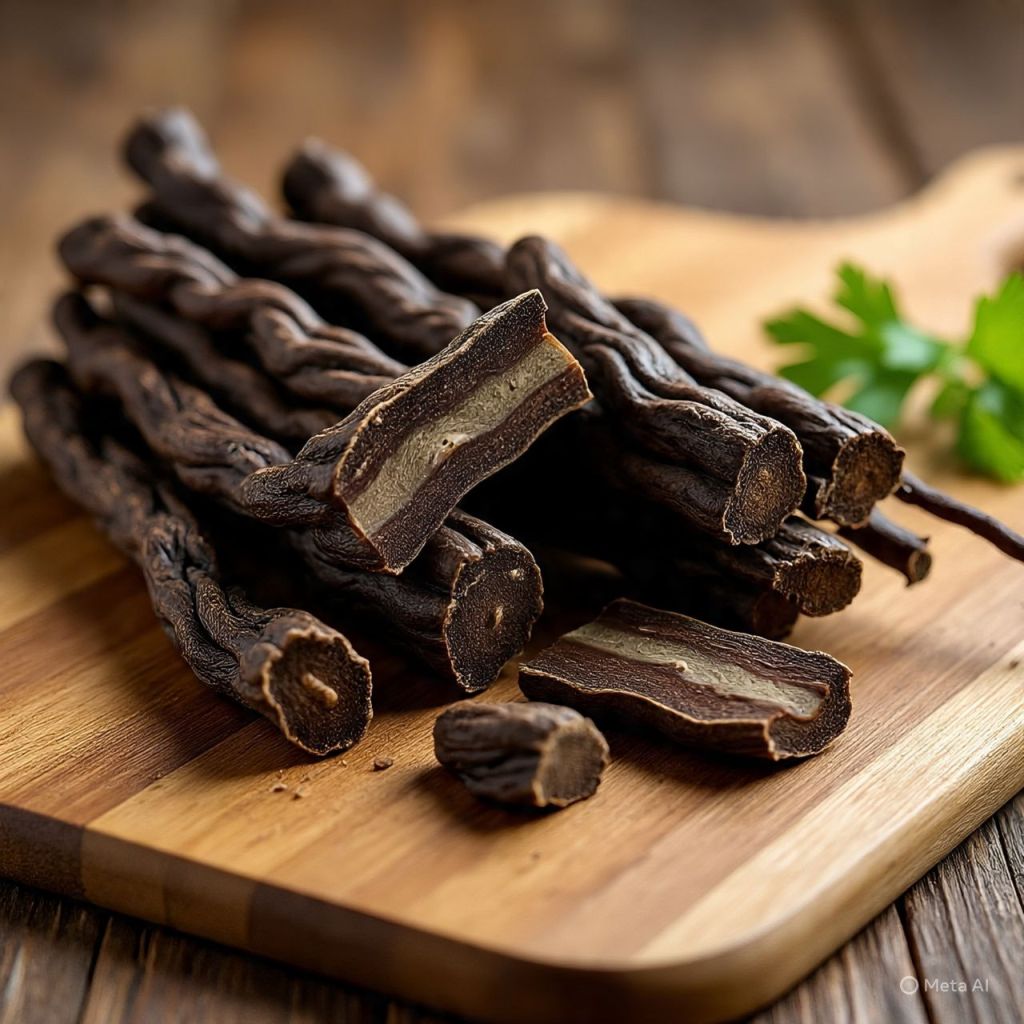
  • Liquorice and Peptic Ulcers: The Sweet Root That Shields the Stomach|When The Body Speaks Online 📖

    February 12th, 2026
    Peptic Ulcer Support

    Discover how liquorice—especially deglycyrrhizinated liquorice (DGL)—supports peptic ulcer healing, strengthens the stomach lining, and protects against acid damage naturally.

    Introduction

    For centuries, traditional healing systems across Asia, Europe, and the Middle East have relied on liquorice root as a soothing remedy for digestive discomfort. Today, modern research is helping explain why this naturally sweet plant has earned such a strong reputation for supporting stomach health — particularly in protecting against peptic ulcers.

    Unlike remedies that simply neutralize acid temporarily, liquorice works by strengthening the stomach’s protective systems. It supports the production of mucus, promotes regeneration of stomach lining cells, and helps form a stronger barrier between delicate tissue and corrosive digestive acid.

    One specific form — deglycyrrhizinated liquorice (DGL) — is especially valued for peptic ulcer support because it preserves stomach-protective compounds while reducing potential side effects associated with regular liquorice.

    Let’s explore how liquorice works as a natural ally for ulcer healing and long-term digestive resilience.

    Peptic Ulcers: When the Stomach’s Defense System Weakens

    Your stomach is designed to handle strong acid. It accomplishes this through a remarkable defense system that includes:

    • A thick protective mucus barrier
    • Rapid renewal of stomach lining cells
    • Controlled acid exposure
    • Protective blood flow to tissue

    When this protective system weakens, stomach acid begins to damage tissue. This leads to inflammation, irritation, and eventually the formation of ulcers.

    Common contributors to ulcer development include:

    • Excess acid exposure
    • Chronic inflammation
    • Infection by certain bacteria
    • Medication-related irritation
    • Stress and lifestyle factors

    Effective support requires strengthening protection — not just suppressing acid. This is where liquorice plays a unique role.

    Liquorice Root: More Than a Soothing Herb

    Liquorice root contains bioactive compounds that actively support the structural integrity of the stomach lining. Rather than masking symptoms, liquorice helps the body repair and protect itself from within.

    Key actions of liquorice include:

    • Stimulating mucus production
    • Supporting regeneration of stomach lining cells
    • Enhancing blood flow to stomach tissue
    • Promoting healing of damaged areas
    • Strengthening the barrier against acid

    These effects help create a protective environment that allows ulcers to heal more effectively.

    The Protective Power of Mucus Stimulation

    One of liquorice’s most important roles is encouraging the production of protective gastric mucus. This thick layer coats the stomach wall and shields it from acid and digestive enzymes.

    When mucus production increases:

    • Tissue exposure to acid decreases
    • Irritation is reduced
    • Healing conditions improve
    • The stomach becomes more resilient

    Liquorice helps reinforce this natural defense system, turning the stomach’s own protection into a stronger shield.

    Supporting Regeneration of Stomach Lining Cells

    The stomach lining constantly renews itself. Damage occurs when regeneration cannot keep pace with injury. Liquorice supports this renewal process by encouraging cell proliferation — the growth of new epithelial cells that form the stomach wall.

    This regenerative support helps:

    • Repair ulcerated tissue
    • Restore structural integrity
    • Reduce vulnerability to acid damage
    • Improve long-term digestive resilience

    By strengthening renewal capacity, liquorice helps the stomach rebuild itself.

    Deglycyrrhizinated Liquorice (DGL): A Specialized Form for Ulcer Support

    Traditional liquorice contains a compound called glycyrrhizin, which contributes to many of its biological effects. However, excessive intake of glycyrrhizin can influence fluid balance and blood pressure in some individuals.

    To preserve stomach-protective benefits while minimizing this concern, researchers developed deglycyrrhizinated liquorice (DGL).

    DGL retains key healing properties while removing most glycyrrhizin content. This makes it a widely used form for digestive support.

    Benefits Associated with DGL

    • Supports mucus production
    • Promotes healing of stomach lining
    • Enhances protective barrier strength
    • Helps soothe digestive irritation
    • Supports long-term stomach resilience

    Because of its focused action, DGL is commonly used in supportive care for peptic ulcers.

    How Liquorice Helps Strengthen the Gastric Barrier

    The stomach’s protective barrier is made of mucus, epithelial cells, and supporting tissue structures. Liquorice supports each of these components.

    1. Enhanced Mucus Secretion

    Liquorice stimulates mucus-producing cells, creating a thicker protective layer between acid and tissue.

    2. Improved Tissue Repair

    Compounds in liquorice support cellular regeneration and structural repair.

    3. Increased Protective Blood Flow

    Healthy circulation helps deliver nutrients needed for healing.

    4. Reduced Irritation

    Liquorice helps create a more stable digestive environment that supports recovery.

    Together, these effects help transform a vulnerable stomach lining into a more resilient protective surface.

    Natural Compounds in Liquorice That Support Digestive Health

    Liquorice contains a range of biologically active compounds that contribute to its protective effects.

    Flavonoids

    Support antioxidant protection and help reduce cellular damage.

    Saponins

    Contribute to protective and soothing effects on mucosal surfaces.

    Polysaccharides

    Help support tissue protection and hydration of the stomach lining.

    Plant Antioxidants

    Help protect cells from oxidative stress that can slow healing.

    These compounds work together to support the stomach’s natural repair processes.

    Traditional Healing Systems Recognized Liquorice’s Benefits

    Liquorice has been used for digestive support for thousands of years. Traditional systems recommended it for:

    • Stomach pain
    • Digestive inflammation
    • Ulcer-related discomfort
    • Irritation of the digestive tract
    • General stomach strengthening

    Its consistent use across cultures reflects its reputation as a gentle yet effective digestive ally.

    Liquorice as a Supportive Approach to Ulcer Care

    Liquorice does not function as a direct acid suppressant. Instead, it strengthens the stomach’s ability to withstand acid exposure. This supportive approach aligns with long-term digestive health strategies.

    Its role includes:

    • Reinforcing natural protective mechanisms
    • Supporting tissue repair
    • Encouraging structural resilience
    • Complementing medical treatment when appropriate

    By supporting the body’s own defenses, liquorice contributes to lasting stomach protection.

    Who May Benefit from Liquorice-Based Support

    Liquorice and DGL are often considered for individuals experiencing:

    • Peptic ulcers
    • Gastric irritation
    • Sensitive stomach lining
    • Digestive inflammation
    • Recurring acid-related discomfort
    • Need for supportive digestive care

    Because of its gentle nature, liquorice is widely used as a dietary supplement for stomach support.

    How Liquorice Supports a Holistic Digestive Strategy

    Stomach health depends on both protection and repair. Liquorice fits naturally into a broader approach to digestive wellness that includes:

    • Balanced nutrition
    • Stress management
    • Regular eating patterns
    • Protective dietary choices
    • Support for tissue regeneration

    Adding liquorice as a supportive element helps strengthen the foundation of digestive health.

    Gentle Action, Meaningful Impact

    One of liquorice’s most remarkable qualities is its gentle yet effective nature. It does not overwhelm the digestive system. Instead, it encourages the body’s natural protective processes to function more effectively.

    This makes liquorice especially valuable for ongoing support rather than short-term relief alone.

    Strength built gradually often lasts longer — and liquorice supports that gradual strengthening process.

    Food and Plant Remedies as Structural Support

    Many digestive remedies focus on suppressing symptoms. Liquorice works differently. It supports the physical structure of the stomach lining, reinforcing the barrier that keeps acid from causing harm.

    This structural support includes:

    • Strengthened mucus barrier
    • Healthier epithelial cell layer
    • Improved healing environment
    • Greater resilience against irritation

    Healing becomes possible when protection improves.

    The Sweet Root with Protective Strength

    Liquorice’s naturally sweet taste contrasts with its powerful protective role. Beneath its gentle flavor lies a plant that supports one of the body’s most important defense systems.

    Its value comes not from aggressive action, but from supportive nourishment that encourages natural healing processes.

    This makes liquorice a unique and respected plant in digestive wellness.

    Final Thoughts: Building Stronger Stomachs Naturally

    Peptic ulcers develop when the stomach’s protective barrier weakens. Supporting that barrier is essential for healing and long-term resilience. Liquorice — particularly in its deglycyrrhizinated form — offers a natural way to strengthen stomach protection from within.

    By stimulating mucus production, supporting regeneration of stomach lining cells, and promoting tissue repair, liquorice helps build a stronger, more resilient digestive system.

    Sometimes the most effective support is not forceful intervention, but gentle reinforcement of the body’s own protective wisdom. Liquorice stands as a powerful example of how natural compounds can help restore balance and strengthen health.

    A simple root, carefully used, can help the stomach defend, repair, and thrive.

    Read More Articles
    • From Awareness to Action: How to Turn What You Know Into Real Health, Freedom, and Results|When The Body Speaks Online 📖
      Writer: Alfred Okoko, Founder of the Natural Remission Protocol.“I help people reverse chronic conditions naturally and reclaim their health.” Discover how to turn awareness into action with simple daily habits that support real health, freedom, and clarity. Learn how to stop overthinking and start living intentionally. Introduction Awareness is powerful. It opens your eyes.It changes… Read more: From Awareness to Action: How to Turn What You Know Into Real Health, Freedom, and Results|When The Body Speaks Online 📖
    • Common Mistakes People Make When Trying to Heal Naturally (And How to Avoid Them)|When The Body Speaks Online 📖
      Writer: Alfred Okoko, Founder of the Natural Remission Protocols“I help people reverse chronic conditions naturally and reclaim their health.” Avoid the most common mistakes people make when trying to heal naturally—learn what slows progress and how to achieve real, lasting results. Introduction Natural healing is powerful. It’s helped countless people reduce symptoms, regain energy, and… Read more: Common Mistakes People Make When Trying to Heal Naturally (And How to Avoid Them)|When The Body Speaks Online 📖
    • Erectile Dysfunction Home Remedies: Supporting Circulation, Confidence, and Whole-Body Health|When The Body Speaks Online 📖
      Discover supportive home remedies for erectile dysfunction that focus on circulation, stress reduction, and whole-body health. Natural strategies inspired by When The Body Speaks. Introduction Erectile dysfunction (ED) is often discussed only in physical terms, yet it is closely connected to circulation, stress levels, emotional wellbeing, energy balance, and lifestyle patterns. For many men, changes… Read more: Erectile Dysfunction Home Remedies: Supporting Circulation, Confidence, and Whole-Body Health|When The Body Speaks Online 📖
    • Psychoneuroimmunology: How Thoughts and Emotions Influence the Immune System and Healing|When The Body Speaks Online 📖
      Writer: Alfred Okoko, Founder of the Natural Remission Protocols“I help people reverse chronic conditions naturally and reclaim their health.” Discover how psychoneuroimmunology reveals the powerful connection between the mind and immune system. Learn how thoughts, emotions, and stress hormones influence inflammation, healing, and recovery. Introduction For many years, medicine treated the mind and body as… Read more: Psychoneuroimmunology: How Thoughts and Emotions Influence the Immune System and Healing|When The Body Speaks Online 📖
    • Belief Does Not Cure Disease—But It Can Open the Door to Healing|When The Body Speaks Online 📖

      Writer: Alfred Okoko, Founder of the Natural Remission Protocols“I help people reverse chronic conditions naturally and reclaim their health.” Belief alone may not cure disease, but it can powerfully influence healing. Discover how mindset, hope, and emotional resilience support the body’s natural recovery process. Introduction In the world of health and wellness, there are two… Read more: Belief Does Not Cure Disease—But It Can Open the Door to Healing|When The Body Speaks Online 📖

  • The Milk Myth and Peptic Ulcers: Comforting Relief or Hidden Aggravator?|When The Body Speaks Online 📖

    February 12th, 2026
    Milk Myth

    Does milk help or worsen peptic ulcers? Discover the truth behind the milk myth, how it affects stomach acid, and what actually supports ulcer healing.

    Introduction

    For generations, milk has been viewed as a soothing remedy for stomach pain and peptic ulcers. Many people grew up hearing that a glass of milk could calm acid, coat the stomach, and bring relief from burning discomfort. It feels logical — milk is smooth, mild, and comforting. But modern understanding of digestive physiology tells a more complex story.

    While milk can provide temporary relief from acid irritation, it does not strengthen the stomach’s protective barrier. In fact, its effects may be short-lived and, in some cases, counterproductive. Understanding the difference between temporary soothing and true healing is essential for anyone seeking long-term digestive wellness.

    Let’s explore what really happens when milk meets stomach acid — and why the traditional belief about milk and ulcers deserves a closer look.

    Understanding Peptic Ulcers: A Problem of Protection, Not Just Acid

    Peptic ulcers develop when the stomach’s protective lining becomes weakened, allowing digestive acid to damage tissue. These sores can form in the stomach or the upper small intestine and are often associated with an imbalance between aggressive acid activity and protective defenses.

    The stomach normally protects itself through:

    • A thick mucus barrier
    • Rapid renewal of lining cells
    • Protective blood flow
    • Carefully regulated acid exposure

    When this protective system fails, acid begins to irritate and erode tissue, leading to inflammation and ulcer formation.

    True healing requires restoring protection — not simply neutralizing acid for a short period.

    Why Milk Became a Popular Ulcer Remedy

    The belief in milk as a stomach remedy dates back decades. Early medical approaches to ulcer care often included milk-based diets because milk can temporarily buffer stomach acid. When consumed, milk can dilute acid concentration and provide a brief soothing sensation.

    This immediate relief helped establish milk’s reputation as a healing food. For someone experiencing burning discomfort, the calming effect felt like evidence of recovery.

    However, temporary comfort does not always equal long-term benefit.

    What Actually Happens When You Drink Milk

    Milk’s interaction with the stomach unfolds in stages. Understanding this process helps explain why the relief it provides may not last.

    Stage 1: Temporary Acid Neutralization

    Milk initially buffers stomach acid, reducing irritation for a short time. This is the soothing effect people notice immediately.

    Stage 2: Stimulation of Acid Production

    Milk contains protein and calcium, both of which stimulate the stomach to produce more acid during digestion.

    Stage 3: Rebound Acid Activity

    As digestion continues, acid production may increase beyond baseline levels. This can potentially lead to renewed irritation.

    This sequence explains why relief from milk can be brief — and sometimes followed by increased discomfort later.

    Milk Does Not Strengthen the Stomach’s Protective Barrier

    The key factor in ulcer healing is strengthening the stomach’s defense system. Protective mucus, healthy epithelial cells, and tissue regeneration form the true foundation of recovery.

    Milk does not stimulate mucus production or significantly promote regeneration of the stomach lining. It provides comfort, but it does not rebuild protection.

    This distinction is crucial:

    • Soothing is temporary
    • Protection is structural
    • Healing requires reinforcement of defenses

    Without strengthening the protective barrier, the stomach remains vulnerable to acid damage.

    The Difference Between Symptom Relief and Healing

    Many remedies for digestive discomfort focus on reducing pain quickly. While symptom relief is important, it does not always address the underlying cause.

    Milk primarily offers:

    • Short-term soothing
    • Temporary buffering of acid
    • Comforting sensory relief

    But long-term ulcer support requires:

    • Strengthening the gastric barrier
    • Supporting cell regeneration
    • Promoting protective mucus production
    • Creating a stable healing environment

    Understanding this difference helps explain why modern digestive care emphasizes protective nutrition rather than simple neutralization.

    Why the Milk Myth Persisted for So Long

    The persistence of the milk myth reflects a natural human tendency to trust immediate relief. When discomfort fades after drinking milk, it feels like proof of healing.

    Several factors contributed to its long-standing reputation:

    • Immediate soothing sensation
    • Historical medical practices
    • Cultural traditions
    • Accessibility and affordability
    • Lack of early understanding of acid regulation

    As research into digestive physiology expanded, a clearer picture of milk’s limitations emerged.

    Modern Understanding of Ulcer Support

    Contemporary approaches to digestive health focus on supporting the body’s natural protective systems. Rather than relying on temporary buffers, effective strategies aim to reinforce structural defenses.

    Supportive nutritional approaches emphasize foods and compounds that:

    • Stimulate protective mucus
    • Promote regeneration of stomach lining cells
    • Reduce irritation
    • Strengthen the gastric barrier
    • Support tissue repair

    These mechanisms provide lasting resilience rather than momentary relief.

    The Comfort Factor: Why Milk Still Feels Helpful

    Milk’s smooth texture and mild flavor contribute to its comforting reputation. It can temporarily ease the sensation of burning or irritation, particularly when the stomach is empty.

    This soothing experience can be meaningful in moments of discomfort. However, comfort should not be mistaken for structural healing.

    Milk acts more like a cushion than a builder. It softens the experience without strengthening the underlying surface.

    Nutritional Value vs Therapeutic Function

    Milk is a nutrient-rich food that provides protein, calcium, and essential vitamins. Its nutritional benefits are well established. However, nutritional value does not automatically translate into therapeutic action for specific digestive conditions.

    A food can be nourishing without directly supporting ulcer healing. Distinguishing between general nutrition and targeted digestive support helps guide more effective dietary choices.

    The Role of Diet in Supporting Stomach Protection

    Diet plays a powerful role in maintaining stomach resilience. Protective nutrition focuses on supporting the structural components that defend against acid damage.

    Key dietary priorities include:

    • Supporting mucus production
    • Encouraging tissue repair
    • Providing antioxidant protection
    • Promoting healthy digestion
    • Reducing irritation

    Foods that actively strengthen these processes contribute to long-term digestive stability.

    When Milk May Still Have a Place

    While milk is not considered a healing remedy for ulcers, it can still be part of a balanced diet for many individuals. Tolerance varies from person to person.

    Some individuals may find that moderate intake does not worsen symptoms. Others may notice increased discomfort. Individual digestive response is an important guide.

    The key takeaway is not that milk is harmful in all cases — but that it should not be relied upon as a primary strategy for ulcer healing.

    Reframing the Narrative: From Comfort to Protection

    Understanding the milk myth invites a broader shift in perspective. Digestive health is best supported by strengthening the body’s natural defenses rather than relying on temporary soothing alone.

    This reframing emphasizes:

    • Structural protection over symptom masking
    • Regeneration over neutralization
    • Resilience over short-term comfort

    When protection improves, symptoms often decrease naturally.

    The Psychology of Gentle Remedies

    Milk’s long-standing reputation reflects something deeply human — the desire for simple, comforting solutions. Warm, familiar foods often carry emotional reassurance alongside physical sensation.

    Recognizing this psychological dimension helps explain why certain remedies endure even as scientific understanding evolves.

    Comfort has value. But lasting healing requires structural support.

    Supporting the Stomach for Long-Term Resilience

    A strong stomach lining depends on consistent support over time. Protective nutrition, balanced habits, and supportive lifestyle choices work together to maintain digestive health.

    Long-term resilience is built through:

    • Nourishment that strengthens defenses
    • Regular eating patterns
    • Stress management
    • Support for tissue repair
    • Gentle digestive care

    These elements create an environment where healing can occur naturally.

    Final Thoughts: Separating Tradition from Physiology

    Milk’s reputation as an ulcer remedy emerged from genuine observation of temporary relief. However, modern understanding of digestive physiology reveals that soothing and healing are not the same process.

    Milk may calm irritation briefly, but it does not strengthen the stomach’s protective barrier or support structural recovery from ulcers. True healing depends on reinforcing the defenses that keep acid from damaging tissue.

    Revisiting traditional beliefs with modern knowledge allows for more informed choices. When it comes to digestive wellness, the goal is not only comfort — but resilience, protection, and lasting strength.

    Sometimes the most important step toward healing is understanding how the body truly protects itself.

    Read More Articles
    • From Awareness to Action: How to Turn What You Know Into Real Health, Freedom, and Results|When The Body Speaks Online 📖
      Writer: Alfred Okoko, Founder of the Natural Remission Protocol.“I help people reverse chronic conditions naturally and reclaim their health.” Discover how to turn awareness into action with simple daily habits that support real health, freedom, and clarity. Learn how to stop overthinking and start living intentionally. Introduction Awareness is powerful. It opens your eyes.It changes… Read more: From Awareness to Action: How to Turn What You Know Into Real Health, Freedom, and Results|When The Body Speaks Online 📖
    • Common Mistakes People Make When Trying to Heal Naturally (And How to Avoid Them)|When The Body Speaks Online 📖
      Writer: Alfred Okoko, Founder of the Natural Remission Protocols“I help people reverse chronic conditions naturally and reclaim their health.” Avoid the most common mistakes people make when trying to heal naturally—learn what slows progress and how to achieve real, lasting results. Introduction Natural healing is powerful. It’s helped countless people reduce symptoms, regain energy, and… Read more: Common Mistakes People Make When Trying to Heal Naturally (And How to Avoid Them)|When The Body Speaks Online 📖
    • Erectile Dysfunction Home Remedies: Supporting Circulation, Confidence, and Whole-Body Health|When The Body Speaks Online 📖
      Discover supportive home remedies for erectile dysfunction that focus on circulation, stress reduction, and whole-body health. Natural strategies inspired by When The Body Speaks. Introduction Erectile dysfunction (ED) is often discussed only in physical terms, yet it is closely connected to circulation, stress levels, emotional wellbeing, energy balance, and lifestyle patterns. For many men, changes… Read more: Erectile Dysfunction Home Remedies: Supporting Circulation, Confidence, and Whole-Body Health|When The Body Speaks Online 📖
    • Psychoneuroimmunology: How Thoughts and Emotions Influence the Immune System and Healing|When The Body Speaks Online 📖
      Writer: Alfred Okoko, Founder of the Natural Remission Protocols“I help people reverse chronic conditions naturally and reclaim their health.” Discover how psychoneuroimmunology reveals the powerful connection between the mind and immune system. Learn how thoughts, emotions, and stress hormones influence inflammation, healing, and recovery. Introduction For many years, medicine treated the mind and body as… Read more: Psychoneuroimmunology: How Thoughts and Emotions Influence the Immune System and Healing|When The Body Speaks Online 📖
    • Belief Does Not Cure Disease—But It Can Open the Door to Healing|When The Body Speaks Online 📖

      Writer: Alfred Okoko, Founder of the Natural Remission Protocols“I help people reverse chronic conditions naturally and reclaim their health.” Belief alone may not cure disease, but it can powerfully influence healing. Discover how mindset, hope, and emotional resilience support the body’s natural recovery process. Introduction In the world of health and wellness, there are two… Read more: Belief Does Not Cure Disease—But It Can Open the Door to Healing|When The Body Speaks Online 📖

  • Cabbage and Cabbage Juice for Peptic Ulcers: The Natural Stomach Healer|When The Body Speaks Online 📖

    February 12th, 2026
    Peptic Ulcer Relief

    Learn how cabbage and fresh cabbage juice support peptic ulcer healing, strengthen the stomach lining, and help protect against acid damage naturally.

    Introduction

    Sometimes the most powerful healing foods are the ones people overlook every day. Cabbage is one of those quiet nutritional heroes. Often seen as just a side dish or salad ingredient, cabbage has earned a remarkable reputation for supporting digestive health — especially in protecting and healing the stomach from peptic ulcers.

    Fresh cabbage juice, in particular, has gained attention for its ability to help repair the stomach lining, reduce irritation, and strengthen the body’s natural defense against corrosive gastric acid. Long before modern medicine explored its benefits, traditional healing systems used cabbage as a natural remedy for stomach pain and ulcer-related discomfort.

    Today, science helps explain why this simple vegetable can play such a meaningful role in digestive wellness.

    Understanding Peptic Ulcers: When Protection Breaks Down

    Peptic ulcers develop when the stomach’s protective lining becomes damaged, allowing acid to irritate and erode tissue. These sores can occur in the stomach itself or in the upper part of the small intestine.

    The stomach normally defends itself through:

    • A thick mucus barrier
    • Rapid regeneration of lining cells
    • Controlled acid production
    • Protective blood flow to stomach tissue

    When this protective system weakens, acid begins to harm the stomach wall. Pain, inflammation, and tissue damage follow.

    This is where cabbage enters the story — not as a quick fix, but as a supporter of structural healing.

    Why Cabbage Is Unique for Stomach Healing

    Cabbage contains a combination of nutrients and bioactive compounds that work together to protect and repair the digestive tract. Rather than simply soothing symptoms, cabbage helps strengthen the stomach’s natural defense mechanisms.

    Its healing potential comes from several key actions:

    • Stimulating production of protective mucus
    • Supporting regeneration of stomach lining cells
    • Providing antioxidants that reduce tissue damage
    • Supplying compounds that help repair injured tissue
    • Supporting overall digestive resilience

    These benefits make cabbage particularly relevant for peptic ulcer support.

    The Role of Vitamin U: Cabbage’s Protective Compound

    One of cabbage’s most fascinating components is a compound historically referred to as “vitamin U.” Though not technically a vitamin, this sulfur-containing compound has been associated with protective effects on the stomach lining.

    Researchers observed that individuals who consumed fresh cabbage juice experienced faster healing of gastric ulcers compared to typical recovery timelines. The protective compounds in cabbage appear to:

    • Support regeneration of damaged stomach tissue
    • Promote production of protective mucus
    • Help maintain integrity of the gastric lining
    • Encourage a healthier environment for tissue repair

    This makes cabbage not just a soothing food, but a restorative one.

    Cabbage Juice: Concentrated Support for Ulcer Healing

    While cooked cabbage still provides nutritional benefits, fresh cabbage juice delivers a more concentrated form of stomach-supportive compounds. Juicing breaks down plant fibers and allows active components to be absorbed more readily.

    Fresh cabbage juice has been traditionally used to:

    • Support healing of peptic ulcers
    • Reduce stomach irritation
    • Promote regeneration of stomach lining
    • Strengthen the protective gastric barrier
    • Improve digestive resilience

    Because it is easily digested, cabbage juice offers a gentle option for individuals with sensitive stomachs.

    How Cabbage Juice Supports the Stomach Lining

    The stomach lining is constantly exposed to acid and digestive enzymes. Healing requires both protection and regeneration. Cabbage juice supports both processes simultaneously.

    1. Stimulating Mucus Production

    Protective mucus acts as a shield between acid and stomach tissue. Compounds in cabbage encourage increased mucus secretion, strengthening this barrier.

    2. Supporting Cell Regeneration

    The stomach lining renews itself rapidly. Nutrients in cabbage help stimulate the production of new epithelial cells, accelerating repair of damaged areas.

    3. Reducing Oxidative Stress

    Antioxidants in cabbage help neutralize free radicals that contribute to tissue damage and inflammation.

    4. Supporting Tissue Repair

    Sulfur compounds found in cabbage are important for connective tissue repair and cellular recovery.

    Together, these effects create a supportive environment for healing.

    Nutrients in Cabbage That Promote Digestive Health

    Cabbage is rich in nutrients that contribute to its protective properties.

    Vitamin C

    Supports tissue repair and helps protect cells from oxidative damage.

    Glucosinolates

    Plant compounds that break down into biologically active substances supporting cellular protection.

    Fiber

    Encourages digestive balance and supports gut health.

    Potassium

    Helps regulate fluid balance and supports digestive function.

    Sulfur Compounds

    Important for tissue repair and cellular regeneration.

    These nutrients work synergistically to support stomach health.

    Traditional Use of Cabbage for Digestive Disorders

    Across many cultures, cabbage has been valued as a healing food for digestive discomfort. Traditional practices recommended fresh cabbage or cabbage juice for:

    • Stomach pain
    • Digestive irritation
    • Ulcer discomfort
    • Inflammatory digestive conditions
    • General stomach strengthening

    The consistency of its use across cultures highlights its long-standing reputation as a stomach-protective food.

    Why Fresh Juice Matters More Than Processed Forms

    Processing, cooking, or prolonged storage can reduce the concentration of active compounds in cabbage. Fresh juice provides the most direct delivery of beneficial components.

    Fresh cabbage juice offers:

    • Higher concentration of protective compounds
    • Faster absorption
    • Gentle digestion
    • Minimal strain on sensitive stomachs

    For individuals seeking digestive support, freshness plays an important role.

    Cabbage as a Natural Supportive Strategy

    Cabbage and cabbage juice do not function like acid-suppressing medications. Instead, they support the body’s natural repair processes. This makes them especially valuable as part of a comprehensive digestive wellness strategy.

    Their role is supportive rather than suppressive:

    • They strengthen protective barriers
    • They promote healing of damaged tissue
    • They support natural stomach function
    • They help maintain long-term resilience

    This approach aligns with a preventive philosophy of digestive health.

    Who May Benefit from Cabbage-Based Support

    Cabbage and cabbage juice may be helpful for individuals experiencing:

    • Peptic ulcers
    • Gastric irritation
    • Sensitive stomach lining
    • Digestive inflammation
    • Frequent acid discomfort
    • Recovery from stomach injury

    Because cabbage is widely available and nutrient-dense, it provides an accessible dietary strategy for supporting stomach health.

    How to Incorporate Cabbage Juice Into Daily Routine

    Adding cabbage juice to a daily routine can be simple and practical. Common approaches include:

    • Drinking freshly prepared juice on an empty stomach
    • Combining cabbage juice with mild fruits for taste
    • Using small, consistent servings regularly
    • Pairing with a balanced, stomach-friendly diet

    Consistency supports gradual strengthening of the stomach lining.

    The Broader Benefits of Cabbage for Digestive Wellness

    Beyond ulcer support, cabbage contributes to overall digestive health in multiple ways.

    • Supports beneficial gut bacteria
    • Provides anti-inflammatory plant compounds
    • Encourages balanced digestion
    • Supplies essential micronutrients
    • Supports general immune function

    A healthy stomach is part of a healthy digestive ecosystem, and cabbage contributes to both.

    Food as Structural Support, Not Just Relief

    Many remedies focus on temporarily reducing discomfort. Cabbage works differently. It supports the physical structure of the stomach lining itself.

    By strengthening the barrier between stomach acid and tissue, cabbage helps reduce vulnerability to damage. This structural support is what makes it particularly meaningful for long-term digestive health.

    Healing is not only about removing irritation — it is about rebuilding protection.

    A Gentle Yet Powerful Natural Ally

    Cabbage may not appear dramatic, but its effects can be profound. It supports the stomach quietly, consistently, and naturally. Its gentle nature makes it suitable for ongoing dietary use, while its bioactive compounds provide meaningful support for healing and protection.

    This combination of simplicity and effectiveness is what makes cabbage a respected food in both traditional healing and nutritional science.

    Final Thoughts: Strengthening the Stomach from Within

    Peptic ulcers develop when the stomach’s protective system weakens. Supporting that system is essential for healing and long-term resilience. Cabbage and fresh cabbage juice offer a natural way to help rebuild that protection.

    By stimulating mucus production, supporting regeneration of stomach lining cells, and providing nutrients that encourage tissue repair, cabbage acts as a structural supporter of digestive health.

    In a world full of complex remedies, sometimes healing begins with something simple, nourishing, and natural. A humble vegetable — crisp, green, and unassuming — may offer powerful support for one of the body’s most important protective systems.

    When it comes to building a stronger stomach, cabbage proves that gentle nourishment can create lasting strength.

    Read More Articles
    • From Awareness to Action: How to Turn What You Know Into Real Health, Freedom, and Results|When The Body Speaks Online 📖
      Writer: Alfred Okoko, Founder of the Natural Remission Protocol.“I help people reverse chronic conditions naturally and reclaim their health.” Discover how to turn awareness into action with simple daily habits that support real health, freedom, and clarity. Learn how to stop overthinking and start living intentionally. Introduction Awareness is powerful. It opens your eyes.It changes… Read more: From Awareness to Action: How to Turn What You Know Into Real Health, Freedom, and Results|When The Body Speaks Online 📖
    • Common Mistakes People Make When Trying to Heal Naturally (And How to Avoid Them)|When The Body Speaks Online 📖
      Writer: Alfred Okoko, Founder of the Natural Remission Protocols“I help people reverse chronic conditions naturally and reclaim their health.” Avoid the most common mistakes people make when trying to heal naturally—learn what slows progress and how to achieve real, lasting results. Introduction Natural healing is powerful. It’s helped countless people reduce symptoms, regain energy, and… Read more: Common Mistakes People Make When Trying to Heal Naturally (And How to Avoid Them)|When The Body Speaks Online 📖
    • Erectile Dysfunction Home Remedies: Supporting Circulation, Confidence, and Whole-Body Health|When The Body Speaks Online 📖
      Discover supportive home remedies for erectile dysfunction that focus on circulation, stress reduction, and whole-body health. Natural strategies inspired by When The Body Speaks. Introduction Erectile dysfunction (ED) is often discussed only in physical terms, yet it is closely connected to circulation, stress levels, emotional wellbeing, energy balance, and lifestyle patterns. For many men, changes… Read more: Erectile Dysfunction Home Remedies: Supporting Circulation, Confidence, and Whole-Body Health|When The Body Speaks Online 📖
    • Psychoneuroimmunology: How Thoughts and Emotions Influence the Immune System and Healing|When The Body Speaks Online 📖
      Writer: Alfred Okoko, Founder of the Natural Remission Protocols“I help people reverse chronic conditions naturally and reclaim their health.” Discover how psychoneuroimmunology reveals the powerful connection between the mind and immune system. Learn how thoughts, emotions, and stress hormones influence inflammation, healing, and recovery. Introduction For many years, medicine treated the mind and body as… Read more: Psychoneuroimmunology: How Thoughts and Emotions Influence the Immune System and Healing|When The Body Speaks Online 📖
    • Belief Does Not Cure Disease—But It Can Open the Door to Healing|When The Body Speaks Online 📖

      Writer: Alfred Okoko, Founder of the Natural Remission Protocols“I help people reverse chronic conditions naturally and reclaim their health.” Belief alone may not cure disease, but it can powerfully influence healing. Discover how mindset, hope, and emotional resilience support the body’s natural recovery process. Introduction In the world of health and wellness, there are two… Read more: Belief Does Not Cure Disease—But It Can Open the Door to Healing|When The Body Speaks Online 📖

  • Bananas Build Strong Stomachs: Nature’s Gentle Shield Against Acid and Ulcers|When The Body Speaks Online 📖

    February 12th, 2026
    Banana Health

    Discover how bananas—especially green plantain powder—help protect the stomach, fight acid damage, and support ulcer healing by strengthening the stomach lining naturally.

    Introduction

    When people think of bananas, they usually picture a quick breakfast, a smoothie ingredient, or a post-workout snack. But behind that soft, sweet fruit lies a powerful digestive ally. Bananas do far more than provide energy — they help build stronger stomachs, defend against corrosive acid, and support healing from ulcers. Even more impressive, dried powder made from green plantain has been studied for its role in treating gastric ulcers by strengthening the stomach’s protective barrier.

    If your stomach could choose a daily bodyguard, bananas might be at the top of the list.

    Let’s explore how this humble fruit works its magic inside your digestive system — and why nutrition experts and traditional medicine alike have long celebrated its stomach-protective powers.

    Consultations & Bookings – Kenya

    The Stomach’s Hidden Battle: Acid vs Protection

    Your stomach performs a delicate balancing act every day. It produces strong hydrochloric acid to break down food and destroy harmful microbes. This acid is powerful enough to dissolve metal over time — yet your stomach doesn’t digest itself. Why? Because it produces a protective mucus barrier and rapidly regenerates its lining.

    Problems begin when this balance breaks down.

    Excess acid, infections, certain medications, stress, or poor diet can weaken the protective barrier. When acid reaches unprotected tissue, irritation occurs. Over time, this can develop into gastritis or ulcers — painful sores in the stomach lining.

    This is where bananas enter the scene — not as a temporary soother, but as a true structural supporter of stomach health.

    Bananas Stimulate Natural Protection in the Stomach

    Bananas help the stomach defend itself in several remarkable ways. Rather than simply neutralizing acid like an antacid tablet, bananas help the body build stronger defenses from within.

    Research and nutritional science suggest bananas:

    • Stimulate the production of protective mucus
    • Encourage growth of stomach lining cells
    • Help buffer stomach acid
    • Support healing of damaged tissue
    • Provide compounds that strengthen the gastric barrier

    This combination makes bananas unique among fruits. They don’t just calm irritation — they help rebuild resilience.

    Natural Healing Protocols

    The Power of Mucus: Your Stomach’s First Line of Defense

    It may not sound glamorous, but mucus is essential for survival. The stomach secretes a thick, gel-like mucus layer that coats the inner wall. This barrier prevents acid from directly contacting tissue.

    Bananas stimulate the secretion of this protective layer. Certain compounds in bananas encourage mucus-producing cells to work more efficiently, creating a thicker, stronger shield.

    Think of it like applying a natural lining to a surface that faces constant chemical exposure. With a reinforced barrier, acid remains where it belongs — digesting food, not damaging tissue.

    Bananas Support Regeneration of Stomach Cells

    Your stomach lining renews itself rapidly, replacing damaged cells with fresh ones. Bananas support this regenerative process by stimulating cell proliferation — the growth of new stomach lining cells.

    This is particularly important when the stomach has already experienced damage. Faster regeneration means:

    • Reduced exposure of vulnerable tissue
    • Quicker healing of micro-injuries
    • Improved resilience against future irritation

    In simple terms, bananas help the stomach repair itself more efficiently.

    Green Plantain: The Ulcer-Fighting Superstar

    While ripe bananas offer protective benefits, unripe green plantains take stomach protection to another level. When dried and ground into powder, green plantain becomes a concentrated natural remedy traditionally used to treat gastric ulcers.

    Unlike sweet yellow bananas, green plantains contain higher levels of resistant starch, bioactive compounds, and protective phytochemicals that directly support stomach healing.

    Why Green Plantain Powder Stands Out

    Studies have indicated that green plantain powder can:

    • Reduce ulcer formation
    • Accelerate healing of existing ulcers
    • Strengthen stomach lining thickness
    • Increase mucus secretion
    • Support healthy stomach cell growth

    These effects create a powerful defense system inside the digestive tract.

    How Green Plantain Powder Works Inside the Body

    The healing action of green plantain powder is multi-layered and deeply supportive.

    1. Strengthening the Gastric Barrier

    Green plantain stimulates the production of both mucus and protective cells, forming a thicker barrier between stomach tissue and acid.

    2. Supporting Tissue Repair

    Compounds in green plantain promote regeneration of epithelial cells — the cells that line the stomach wall.

    3. Reducing Acid Damage

    Rather than eliminating acid, plantain helps prevent acid from harming tissue by improving structural protection.

    4. Providing Prebiotic Support

    Resistant starch in green plantain feeds beneficial gut bacteria, contributing to a healthier digestive environment overall.

    This makes green plantain powder not just a soothing remedy, but a rebuilding agent.

    Bananas as a Natural Antacid Alternative

    Many people rely on quick-fix antacids to relieve heartburn. While these medications neutralize acid temporarily, they do not strengthen stomach defenses.

    Bananas, on the other hand, work with the body’s natural processes.

    They provide mild acid-buffering effects while also:

    • Enhancing mucus production
    • Supporting tissue regeneration
    • Reducing irritation
    • Promoting long-term digestive resilience

    This makes bananas a gentle, sustainable option for ongoing stomach care.

    Nutrients in Bananas That Support Digestive Health

    Bananas contain a variety of nutrients that contribute to their stomach-protective effects.

    Potassium

    Supports proper muscle function in the digestive tract and helps maintain fluid balance.

    Vitamin B6

    Plays a role in metabolic processes and supports cellular repair mechanisms.

    Fiber

    Encourages healthy digestion and helps regulate stomach emptying.

    Resistant Starch (especially in green bananas)

    Feeds beneficial gut bacteria and supports intestinal health.

    Bioactive Compounds

    Certain natural compounds found in bananas help stimulate protective stomach processes.

    Together, these elements create a comprehensive support system for digestive wellness.

    Traditional Medicine Has Long Known the Secret

    Long before modern research began exploring banana-based ulcer treatment, traditional healing systems across Asia, Africa, and Latin America used green plantain for digestive disorders.

    It was commonly recommended for:

    • Stomach pain
    • Acid irritation
    • Ulcers
    • Digestive inflammation
    • General gut strengthening

    Modern science is now catching up to what traditional practices recognized centuries ago.

    Who May Benefit Most from Banana-Based Stomach Support

    Bananas and green plantain powder may be especially helpful for people who experience:

    • Frequent acid discomfort
    • Sensitive stomach lining
    • Gastritis
    • Risk of ulcers
    • Digestive irritation from medications
    • Irregular eating patterns
    • Stress-related digestive issues

    Because bananas are gentle and widely tolerated, they provide a simple dietary strategy for supporting stomach resilience.

    How to Use Green Plantain Powder

    Green plantain powder can be incorporated into daily routines in simple ways:

    • Mixed with warm water
    • Blended into smoothies
    • Added to porridge
    • Combined with yogurt
    • Used in digestive-support drinks

    Consistency is key. Regular intake supports gradual strengthening of stomach defenses.

    Bananas vs Processed Remedies: A Natural Advantage

    Modern medicine offers effective treatments for ulcers and acid disorders, but nutrition plays a critical supporting role. Bananas provide benefits that pharmaceutical treatments alone cannot offer — structural support and regeneration.

    Advantages of banana-based support include:

    • Gentle action on the stomach
    • Nutritional value alongside therapeutic benefit
    • Support for long-term digestive resilience
    • Accessibility and affordability
    • Compatibility with daily diet

    Rather than replacing medical treatment, bananas complement digestive care by strengthening the body’s natural defenses.

    A Holistic View: Protecting the Stomach Daily

    Stomach health is not built in a single day. It develops through consistent nourishment, protection, and repair. Bananas fit seamlessly into a holistic digestive wellness strategy that includes:

    • Balanced meals
    • Stress management
    • Hydration
    • Fiber intake
    • Gentle, protective foods

    Adding bananas or green plantain powder is a small step with meaningful impact.

    The Science of Gentle Strength

    What makes bananas remarkable is their dual nature. They are soft, mild, and easy to digest — yet they help build one of the body’s toughest protective barriers.

    They don’t fight acid aggressively. Instead, they strengthen the environment that keeps acid in check. This is a powerful reminder that true resilience often comes from support, not suppression.

    Final Thoughts: A Simple Fruit with Extraordinary Power

    Bananas are more than a convenient snack — they are a natural ally in digestive protection. By stimulating mucus production, promoting growth of stomach lining cells, and strengthening the barrier against corrosive acid, bananas help build a stronger, more resilient stomach.

    Green plantain powder takes this protective effect even further, offering traditional and research-supported benefits for ulcer support and stomach healing.

    Sometimes the most powerful health solutions are also the simplest. A fruit that fits easily in your hand may quietly be reinforcing one of your body’s most important protective systems.

    Your stomach works tirelessly every day. Supporting it with foods that protect, repair, and strengthen is one of the most meaningful choices you can make for long-term digestive health.

    And sometimes, that choice is as simple as a banana.

    Read More Articles
    • From Awareness to Action: How to Turn What You Know Into Real Health, Freedom, and Results|When The Body Speaks Online 📖
      Writer: Alfred Okoko, Founder of the Natural Remission Protocol.“I help people reverse chronic conditions naturally and reclaim their health.” Discover how to turn awareness into action with simple daily habits that support real health, freedom, and clarity. Learn how to stop overthinking and start living intentionally. Introduction Awareness is powerful. It opens your eyes.It changes… Read more: From Awareness to Action: How to Turn What You Know Into Real Health, Freedom, and Results|When The Body Speaks Online 📖
    • Common Mistakes People Make When Trying to Heal Naturally (And How to Avoid Them)|When The Body Speaks Online 📖
      Writer: Alfred Okoko, Founder of the Natural Remission Protocols“I help people reverse chronic conditions naturally and reclaim their health.” Avoid the most common mistakes people make when trying to heal naturally—learn what slows progress and how to achieve real, lasting results. Introduction Natural healing is powerful. It’s helped countless people reduce symptoms, regain energy, and… Read more: Common Mistakes People Make When Trying to Heal Naturally (And How to Avoid Them)|When The Body Speaks Online 📖
    • Erectile Dysfunction Home Remedies: Supporting Circulation, Confidence, and Whole-Body Health|When The Body Speaks Online 📖
      Discover supportive home remedies for erectile dysfunction that focus on circulation, stress reduction, and whole-body health. Natural strategies inspired by When The Body Speaks. Introduction Erectile dysfunction (ED) is often discussed only in physical terms, yet it is closely connected to circulation, stress levels, emotional wellbeing, energy balance, and lifestyle patterns. For many men, changes… Read more: Erectile Dysfunction Home Remedies: Supporting Circulation, Confidence, and Whole-Body Health|When The Body Speaks Online 📖
    • Psychoneuroimmunology: How Thoughts and Emotions Influence the Immune System and Healing|When The Body Speaks Online 📖
      Writer: Alfred Okoko, Founder of the Natural Remission Protocols“I help people reverse chronic conditions naturally and reclaim their health.” Discover how psychoneuroimmunology reveals the powerful connection between the mind and immune system. Learn how thoughts, emotions, and stress hormones influence inflammation, healing, and recovery. Introduction For many years, medicine treated the mind and body as… Read more: Psychoneuroimmunology: How Thoughts and Emotions Influence the Immune System and Healing|When The Body Speaks Online 📖
    • Belief Does Not Cure Disease—But It Can Open the Door to Healing|When The Body Speaks Online 📖

      Writer: Alfred Okoko, Founder of the Natural Remission Protocols“I help people reverse chronic conditions naturally and reclaim their health.” Belief alone may not cure disease, but it can powerfully influence healing. Discover how mindset, hope, and emotional resilience support the body’s natural recovery process. Introduction In the world of health and wellness, there are two… Read more: Belief Does Not Cure Disease—But It Can Open the Door to Healing|When The Body Speaks Online 📖
  • When the Body Speaks Through Pain: Crafting a Castor Oil & Frankincense Remedy for Arthritic Relief|When The Body Speaks Online 📖

    February 11th, 2026
    Pain Relief Naturally

    Discover how to create a soothing topical remedy with organic castor oil and frankincense to support comfort and mobility in arthritic joints—an intuitive, body-aware approach inspired by When the Body Speaks.

    Introduction

    There are moments when the body whispers, and moments when it speaks with unmistakable clarity. For many people living with arthritis, the message arrives as stiffness in the morning, a dull ache during movement, or a flare of inflammation that interrupts daily rhythms. Rather than viewing discomfort as an enemy alone, some healing traditions invite us to interpret pain as communication—an invitation to respond with care, nourishment, and presence.

    Inspired by the philosophy that the body expresses what the spirit cannot easily say, this guide explores a simple, natural topical remedy made from organic castor oil and frankincense. The intention is not to silence the body’s voice, but to support it gently—offering warmth, circulation, and a sense of calm to joints that have carried too much strain for too long.

    This article walks you through the reasoning, preparation, and mindful application of this remedy while honoring a holistic perspective on healing arthritis pain.

    Understanding Arthritis as a Message, Not Just a Condition

    Arthritis is commonly defined as inflammation of the joints, often resulting in pain, stiffness, and reduced mobility. From a biomedical perspective, this inflammation may arise from autoimmune activity, cartilage degeneration, or systemic imbalance. Yet many integrative wellness traditions view arthritis through an additional lens: stored tension, unresolved emotional patterns, and chronic stress may amplify the body’s inflammatory response.

    When the body feels unsupported, overwhelmed, or overburdened, it often communicates through areas of movement—hips, knees, hands, and spine. These are the structures that enable action, flexibility, and direction. When they become rigid or painful, the message may reflect not only physical strain but also emotional or energetic congestion.

    A topical remedy cannot resolve every root cause of arthritis, but it can offer tangible support: increased circulation, tissue nourishment, relaxation of surrounding muscles, and a ritual of self-care that acknowledges the body’s intelligence.

    Why Choose Organic Castor Oil?

    Castor oil has been used for centuries in traditional wellness practices. Extracted from the seeds of the Ricinus communis plant, this thick, nutrient-dense oil possesses unique properties that make it especially valuable for topical application on joints.

    Key Supportive Qualities

    1. Deep Penetration
    Castor oil has a molecular structure that allows it to penetrate deeply into tissues. When massaged into the skin, it helps carry nutrients and moisture to underlying areas.

    2. Circulatory Support
    Topical use may encourage localized circulation, which can support the body’s natural processes of repair and detoxification.

    3. Skin Nourishment
    Rich in ricinoleic acid, castor oil supports skin elasticity and hydration, beneficial for areas that feel tight or inflamed.

    4. Comforting Warmth
    Its naturally thick consistency creates a warming effect that many people find soothing on stiff joints.

    Choosing organic, cold-pressed castor oil ensures the product is free from pesticides and chemical residues, preserving its natural potency.

    The Healing Resonance of Frankincense

    Frankincense essential oil, distilled from the resin of Boswellia trees, has been revered for thousands of years in spiritual and therapeutic traditions. Its aroma is grounding and expansive at once—calming the mind while encouraging deep, slow breathing.

    Why Frankincense Supports Joint Comfort

    Anti-Inflammatory Potential
    Boswellic compounds in frankincense have been studied for their ability to support the body’s inflammatory balance.

    Muscle Relaxation
    Its soothing aroma can encourage nervous system relaxation, which may help reduce tension surrounding painful joints.

    Emotional Integration
    Frankincense is often associated with release and resilience—qualities that complement a body working through chronic discomfort.

    Enhanced Absorption
    When combined with carrier oils, frankincense disperses evenly and enhances the sensory experience of application.

    The synergy between castor oil and frankincense creates both physical and sensory support—a remedy that addresses body and awareness simultaneously.

    Ingredients for the Remedy

    Creating this topical blend is simple and requires only a few high-quality ingredients.

    You Will Need

    • 2 tablespoons organic cold-pressed castor oil
    • 6–8 drops pure frankincense essential oil
    • 1 teaspoon jojoba oil or sweet almond oil (optional, for easier absorption)
    • Small glass jar or dropper bottle
    • Clean mixing utensil

    Using glass rather than plastic preserves the integrity of essential oils and prevents unwanted chemical interactions.

    Step-by-Step Preparation

    1. Create a Calm Space

    Before blending, pause. Take a few slow breaths. Preparing a remedy is not only mechanical—it is relational. Your attention becomes part of the medicine.

    2. Combine Carrier Oils

    Pour castor oil into a clean glass container. If desired, add jojoba or almond oil to thin the texture.

    3. Add Frankincense

    Drop the essential oil slowly into the mixture. Stir gently with intention rather than haste.

    4. Seal and Store

    Keep the blend in a cool, dark place. Shake lightly before each use.

    This preparation remains potent for several months when stored properly.

    How to Apply for Arthritic Support

    Application is where remedy becomes ritual. The method of use influences effectiveness just as much as the ingredients themselves.

    Gentle Application Method

    Step 1: Warm the Oil
    Place the container in warm water for a few minutes. Warmth enhances absorption and comfort.

    Step 2: Apply to Affected Joint
    Use fingertips to massage a small amount into the skin using slow circular motions.

    Step 3: Encourage Circulation
    Massage for 3–5 minutes, allowing tissues to soften gradually.

    Step 4: Optional Warm Compress
    Place a warm cloth over the area for 10 minutes to deepen penetration.

    Step 5: Rest and Observe
    Notice sensations without judgment. The goal is awareness as much as relief.

    This can be done once or twice daily, especially in the morning or before sleep.

    The Mind-Body Dimension of Topical Healing

    A remedy becomes more powerful when paired with mindful attention. Arthritis often intensifies under emotional stress; therefore, soothing the nervous system can indirectly support physical comfort.

    During application, consider these supportive practices:

    • Breathe slowly through the nose
    • Relax the jaw and shoulders
    • Acknowledge areas of tension without resistance
    • Offer gratitude to the body for its resilience

    Touch communicates safety to the nervous system. Safety reduces stress responses. Reduced stress may support the body’s capacity to regulate inflammation.

    In this way, the remedy becomes a dialogue rather than a treatment.

    Why Topical Support Matters for Arthritis

    Many people focus exclusively on internal solutions—diet, supplements, medication. While these approaches can be important, topical care provides localized support that is immediate and tangible.

    Benefits of External Application

    • Direct nourishment to affected area
    • Increased local circulation
    • Muscle relaxation around joints
    • Enhanced body awareness
    • Ritualized self-care

    External remedies remind us that healing is not only biochemical but experiential.

    Integrating the Remedy Into a Holistic Routine

    A single remedy rarely works in isolation. Arthritis support is most effective when multiple gentle strategies align.

    Consider pairing topical application with:

    Warm Movement
    Gentle stretching, tai chi, or slow walking encourages fluid motion.

    Anti-Inflammatory Nutrition
    Foods rich in omega-3 fatty acids, antioxidants, and minerals support systemic balance.

    Stress Regulation
    Meditation, breathwork, and adequate rest help calm inflammatory pathways.

    Hydration
    Joint tissues rely on fluid balance for cushioning and mobility.

    The body responds best to consistent, compassionate care rather than forceful intervention.

    Safety Considerations

    Natural remedies should be used responsibly.

    • Perform a patch test before regular use
    • Avoid broken or irritated skin
    • Use essential oils sparingly
    • Consult a healthcare professional if pregnant or managing medical conditions
    • This remedy supports comfort but does not replace medical treatment

    Listening to the body includes respecting its boundaries.

    When Pain Softens, What Changes?

    Sometimes relief arrives subtly. Movement becomes easier. Sleep deepens. Tension loosens not only in joints but in mood and outlook.

    When the body experiences care, the message it sends often changes tone. Pain that once demanded attention may gradually shift into sensation, then into memory.

    The purpose of this remedy is not to conquer the body but to collaborate with it.

    The Symbolism of Oil and Resin

    Castor oil originates from a seed—dense with stored potential. Frankincense begins as resin, released when a tree is wounded. Together they represent transformation through pressure, healing through response.

    Applying this blend can be viewed as an act of reconciliation with the body: acknowledging what hurts while offering presence rather than resistance.

    This perspective does not deny pathology; it expands the meaning of healing beyond symptom control.

    A Gentle Closing Reflection

    Arthritis often teaches patience, pacing, and humility. It asks us to move differently, to listen more closely, to rest when the mind insists on pushing forward.

    A simple blend of organic castor oil and frankincense cannot erase every ache, yet it can create a space where care replaces struggle. Through warmth, touch, and intention, we participate in the body’s conversation rather than attempting to silence it.

    When the body speaks through discomfort, responding with presence may be the most profound remedy of all.

    Frequently Asked Questions

    How long before results are noticeable?
    Some people feel warmth and relaxation immediately. Structural changes require consistency over weeks.

    Can other essential oils be added?
    Lavender or ginger may complement the blend, but simplicity preserves sensitivity for many users.

    Is daily use safe?
    Yes, when used in moderate amounts and with proper dilution.

    Does this cure arthritis?
    No natural remedy replaces medical care. This blend supports comfort and mobility.

    Final Thoughts on Listening to the Body

    Healing is rarely linear. It is cyclical, responsive, and deeply personal. The practice of applying a soothing oil blend becomes more than a wellness technique—it becomes a moment of listening.

    And often, when the body feels heard, it begins to soften its message.

    Read More Articles
    • From Awareness to Action: How to Turn What You Know Into Real Health, Freedom, and Results|When The Body Speaks Online 📖
      Writer: Alfred Okoko, Founder of the Natural Remission Protocol.“I help people reverse chronic conditions naturally and reclaim their health.” Discover how to turn awareness into action with simple daily habits that support real health, freedom, and clarity. Learn how to stop overthinking and start living intentionally. Introduction Awareness is powerful. It opens your eyes.It changes… Read more: From Awareness to Action: How to Turn What You Know Into Real Health, Freedom, and Results|When The Body Speaks Online 📖
    • Common Mistakes People Make When Trying to Heal Naturally (And How to Avoid Them)|When The Body Speaks Online 📖
      Writer: Alfred Okoko, Founder of the Natural Remission Protocols“I help people reverse chronic conditions naturally and reclaim their health.” Avoid the most common mistakes people make when trying to heal naturally—learn what slows progress and how to achieve real, lasting results. Introduction Natural healing is powerful. It’s helped countless people reduce symptoms, regain energy, and… Read more: Common Mistakes People Make When Trying to Heal Naturally (And How to Avoid Them)|When The Body Speaks Online 📖
    • Erectile Dysfunction Home Remedies: Supporting Circulation, Confidence, and Whole-Body Health|When The Body Speaks Online 📖
      Discover supportive home remedies for erectile dysfunction that focus on circulation, stress reduction, and whole-body health. Natural strategies inspired by When The Body Speaks. Introduction Erectile dysfunction (ED) is often discussed only in physical terms, yet it is closely connected to circulation, stress levels, emotional wellbeing, energy balance, and lifestyle patterns. For many men, changes… Read more: Erectile Dysfunction Home Remedies: Supporting Circulation, Confidence, and Whole-Body Health|When The Body Speaks Online 📖
    • Psychoneuroimmunology: How Thoughts and Emotions Influence the Immune System and Healing|When The Body Speaks Online 📖
      Writer: Alfred Okoko, Founder of the Natural Remission Protocols“I help people reverse chronic conditions naturally and reclaim their health.” Discover how psychoneuroimmunology reveals the powerful connection between the mind and immune system. Learn how thoughts, emotions, and stress hormones influence inflammation, healing, and recovery. Introduction For many years, medicine treated the mind and body as… Read more: Psychoneuroimmunology: How Thoughts and Emotions Influence the Immune System and Healing|When The Body Speaks Online 📖
    • Belief Does Not Cure Disease—But It Can Open the Door to Healing|When The Body Speaks Online 📖
      Writer: Alfred Okoko, Founder of the Natural Remission Protocols“I help people reverse chronic conditions naturally and reclaim their health.” Belief alone may not cure disease, but it can powerfully influence healing. Discover how mindset, hope, and emotional resilience support the body’s natural recovery process. Introduction In the world of health and wellness, there are two… Read more: Belief Does Not Cure Disease—But It Can Open the Door to Healing|When The Body Speaks Online 📖
  • Peptic Ulcers: Natural Ways to Soothe Your Stomach and Support Healing|When The Body Speaks Online 📖

    February 11th, 2026
    Peptic Ulcer Relief

    Discover home remedies for peptic ulcers that reduce inflammation, soothe the stomach lining, and restore digestive balance naturally. Practical tips inspired by When The Body Speaks.

    Introduction

    Peptic ulcers, painful sores in the stomach or upper small intestine, can cause burning, bloating, nausea, and discomfort after meals. While medical care is essential, natural home remedies can complement treatment, reduce symptoms, and promote digestive health.

    Ulcers often reflect a combination of lifestyle factors, stress, and digestive imbalance. By adopting gentle, consistent practices, you can create an environment that allows the stomach to heal and reduces recurrence risk.

    This article explores natural, practical home remedies for peptic ulcers that focus on comfort, digestion, and long-term wellness.

    Understanding Peptic Ulcers

    Peptic ulcers occur when the stomach or intestinal lining is weakened, allowing acid to cause irritation. Common contributors include:

    • Excess stomach acid
    • H. pylori bacterial infection
    • Chronic stress
    • Use of NSAIDs (pain medications)
    • Poor dietary habits

    Seeing ulcers as messages from the body helps guide supportive actions rather than simply masking symptoms.

    Home Remedy 1: Eat Anti-Inflammatory Foods

    Certain foods can reduce inflammation and protect the stomach lining:

    • Cooked vegetables like zucchini, carrots, and spinach
    • Oats and whole grains for gentle digestion
    • Bananas and apples for natural mucilage
    • Lean proteins like fish, eggs, or chicken

    Including soothing foods helps minimize irritation and supports tissue repair.

    Home Remedy 2: Herbal and Natural Soothing Agents

    Some herbs can calm inflammation and protect the stomach lining:

    • Slippery elm and marshmallow root to coat the stomach
    • Chamomile tea to relax and reduce inflammation
    • Aloe vera juice in small amounts to soothe irritation
    • Licorice root (DGL) to support mucus protection

    These remedies complement medical treatment and promote comfort.

    Home Remedy 3: Hydration for Digestive Health

    Adequate water intake supports the mucosal lining and overall digestion.

    • Drink water consistently throughout the day
    • Avoid carbonated and sugary drinks
    • Sip warm herbal teas like ginger or chamomile
    • Drink slowly to prevent stomach overload

    Proper hydration supports healing and digestive balance.

    Home Remedy 4: Reduce Stress to Support Digestion

    Stress increases stomach acid and slows healing. Supporting relaxation helps your digestive system function efficiently.

    • Deep breathing exercises
    • Meditation or mindfulness practice
    • Gentle walks or stretching
    • Journaling or quiet reflection

    Reducing stress improves healing and prevents flare-ups.

    Home Remedy 5: Avoid Stomach Irritants

    Certain lifestyle habits worsen ulcers:

    • Limit NSAIDs like ibuprofen
    • Avoid alcohol and smoking
    • Reduce spicy, fried, or highly processed foods
    • Limit caffeine and acidic drinks

    Protecting the stomach lining is essential for long-term comfort.

    Home Remedy 6: Practice Mindful Eating

    How you eat matters as much as what you eat.

    • Eat slowly and chew food thoroughly
    • Avoid lying down immediately after meals
    • Eat smaller, frequent meals rather than large meals
    • Observe which foods trigger or relieve symptoms

    Mindful eating reduces irritation and promotes digestion.

    Home Remedy 7: Track Symptoms and Identify Patterns

    Observing when and why symptoms occur helps manage ulcers effectively.

    • Identify food triggers and soothing foods
    • Notice the effect of stress or fatigue
    • Track timing and frequency of flare-ups
    • Adjust daily habits based on observations

    This approach allows proactive management of symptoms.

    Supporting Digestive Health Holistically

    Healing peptic ulcers is enhanced when the body is supported as a whole system:

    • Gentle, anti-inflammatory nutrition
    • Adequate hydration
    • Stress reduction and relaxation
    • Avoiding irritants and harmful habits
    • Observing and responding to body signals

    Holistic care accelerates healing and reduces the risk of recurrence.

    Peptic Ulcers as Communication from the Body

    Ulcers are not just a problem to fix — they are messages about stress, diet, and digestive health. Responding with gentle, consistent care allows the body to restore balance.

    If you want to learn how to interpret your body’s messages and apply practical home remedies, my book provides a comprehensive guide.

    👉 Get When The Body Speaks on Payhip:

    https://payhip.com/b/6hDiH

    The book offers insights into digestive health, home remedies, and strategies to restore comfort naturally.

    Final Thoughts

    Home remedies for peptic ulcers focus on gentle support, awareness, and consistency. Mindful eating, stress reduction, hydration, soothing foods, and herbal support create a healing-friendly environment.

    Listening to your body and responding with care promotes long-term digestive wellness and comfort.

    Read More Articles
    • From Awareness to Action: How to Turn What You Know Into Real Health, Freedom, and Results|When The Body Speaks Online 📖
      Writer: Alfred Okoko, Founder of the Natural Remission Protocol.“I help people reverse chronic conditions naturally and reclaim their health.” Discover how to turn awareness into action with simple daily habits that support real health, freedom, and clarity. Learn how to stop overthinking and start living intentionally. Introduction Awareness is powerful. It opens your eyes.It changes… Read more: From Awareness to Action: How to Turn What You Know Into Real Health, Freedom, and Results|When The Body Speaks Online 📖
    • Common Mistakes People Make When Trying to Heal Naturally (And How to Avoid Them)|When The Body Speaks Online 📖
      Writer: Alfred Okoko, Founder of the Natural Remission Protocols“I help people reverse chronic conditions naturally and reclaim their health.” Avoid the most common mistakes people make when trying to heal naturally—learn what slows progress and how to achieve real, lasting results. Introduction Natural healing is powerful. It’s helped countless people reduce symptoms, regain energy, and… Read more: Common Mistakes People Make When Trying to Heal Naturally (And How to Avoid Them)|When The Body Speaks Online 📖
    • Erectile Dysfunction Home Remedies: Supporting Circulation, Confidence, and Whole-Body Health|When The Body Speaks Online 📖
      Discover supportive home remedies for erectile dysfunction that focus on circulation, stress reduction, and whole-body health. Natural strategies inspired by When The Body Speaks. Introduction Erectile dysfunction (ED) is often discussed only in physical terms, yet it is closely connected to circulation, stress levels, emotional wellbeing, energy balance, and lifestyle patterns. For many men, changes… Read more: Erectile Dysfunction Home Remedies: Supporting Circulation, Confidence, and Whole-Body Health|When The Body Speaks Online 📖
    • Psychoneuroimmunology: How Thoughts and Emotions Influence the Immune System and Healing|When The Body Speaks Online 📖
      Writer: Alfred Okoko, Founder of the Natural Remission Protocols“I help people reverse chronic conditions naturally and reclaim their health.” Discover how psychoneuroimmunology reveals the powerful connection between the mind and immune system. Learn how thoughts, emotions, and stress hormones influence inflammation, healing, and recovery. Introduction For many years, medicine treated the mind and body as… Read more: Psychoneuroimmunology: How Thoughts and Emotions Influence the Immune System and Healing|When The Body Speaks Online 📖
    • Belief Does Not Cure Disease—But It Can Open the Door to Healing|When The Body Speaks Online 📖
      Writer: Alfred Okoko, Founder of the Natural Remission Protocols“I help people reverse chronic conditions naturally and reclaim their health.” Belief alone may not cure disease, but it can powerfully influence healing. Discover how mindset, hope, and emotional resilience support the body’s natural recovery process. Introduction In the world of health and wellness, there are two… Read more: Belief Does Not Cure Disease—But It Can Open the Door to Healing|When The Body Speaks Online 📖

←Previous Page
1 … 3 4 5 6 7 … 9
Next Page→

Blog at WordPress.com.


Loading Comments...
 

    • Subscribe Subscribed
      • When The Body Speaks Online
      • Already have a WordPress.com account? Log in now.
      • When The Body Speaks Online
      • Subscribe Subscribed
      • Sign up
      • Log in
      • Report this content
      • View site in Reader
      • Manage subscriptions
      • Collapse this bar