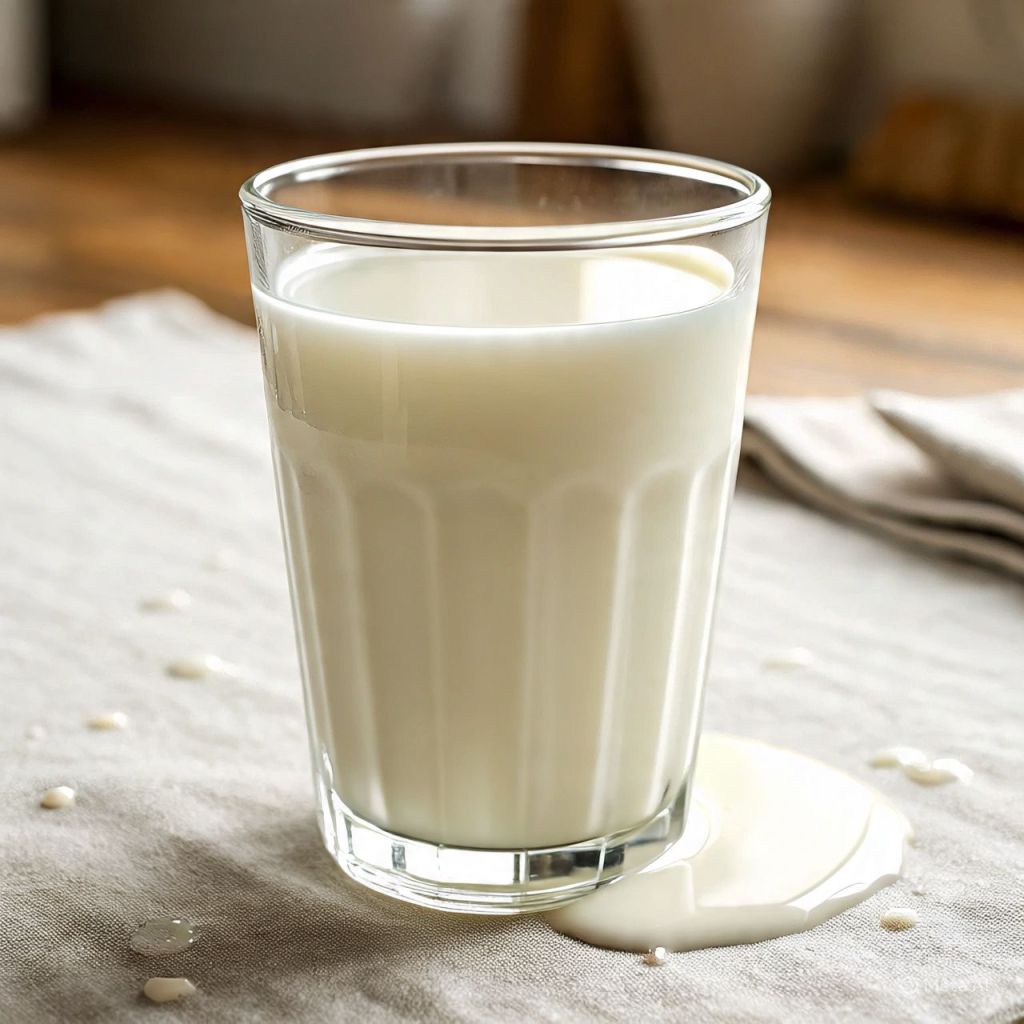
Does milk help or worsen peptic ulcers? Discover the truth behind the milk myth, how it affects stomach acid, and what actually supports ulcer healing.
Introduction
For generations, milk has been viewed as a soothing remedy for stomach pain and peptic ulcers. Many people grew up hearing that a glass of milk could calm acid, coat the stomach, and bring relief from burning discomfort. It feels logical — milk is smooth, mild, and comforting. But modern understanding of digestive physiology tells a more complex story.
While milk can provide temporary relief from acid irritation, it does not strengthen the stomach’s protective barrier. In fact, its effects may be short-lived and, in some cases, counterproductive. Understanding the difference between temporary soothing and true healing is essential for anyone seeking long-term digestive wellness.
Let’s explore what really happens when milk meets stomach acid — and why the traditional belief about milk and ulcers deserves a closer look.
Understanding Peptic Ulcers: A Problem of Protection, Not Just Acid
Peptic ulcers develop when the stomach’s protective lining becomes weakened, allowing digestive acid to damage tissue. These sores can form in the stomach or the upper small intestine and are often associated with an imbalance between aggressive acid activity and protective defenses.
The stomach normally protects itself through:
- A thick mucus barrier
- Rapid renewal of lining cells
- Protective blood flow
- Carefully regulated acid exposure
When this protective system fails, acid begins to irritate and erode tissue, leading to inflammation and ulcer formation.
True healing requires restoring protection — not simply neutralizing acid for a short period.
Why Milk Became a Popular Ulcer Remedy
The belief in milk as a stomach remedy dates back decades. Early medical approaches to ulcer care often included milk-based diets because milk can temporarily buffer stomach acid. When consumed, milk can dilute acid concentration and provide a brief soothing sensation.
This immediate relief helped establish milk’s reputation as a healing food. For someone experiencing burning discomfort, the calming effect felt like evidence of recovery.
However, temporary comfort does not always equal long-term benefit.
What Actually Happens When You Drink Milk
Milk’s interaction with the stomach unfolds in stages. Understanding this process helps explain why the relief it provides may not last.
Stage 1: Temporary Acid Neutralization
Milk initially buffers stomach acid, reducing irritation for a short time. This is the soothing effect people notice immediately.
Stage 2: Stimulation of Acid Production
Milk contains protein and calcium, both of which stimulate the stomach to produce more acid during digestion.
Stage 3: Rebound Acid Activity
As digestion continues, acid production may increase beyond baseline levels. This can potentially lead to renewed irritation.
This sequence explains why relief from milk can be brief — and sometimes followed by increased discomfort later.
Milk Does Not Strengthen the Stomach’s Protective Barrier
The key factor in ulcer healing is strengthening the stomach’s defense system. Protective mucus, healthy epithelial cells, and tissue regeneration form the true foundation of recovery.
Milk does not stimulate mucus production or significantly promote regeneration of the stomach lining. It provides comfort, but it does not rebuild protection.
This distinction is crucial:
- Soothing is temporary
- Protection is structural
- Healing requires reinforcement of defenses
Without strengthening the protective barrier, the stomach remains vulnerable to acid damage.
The Difference Between Symptom Relief and Healing
Many remedies for digestive discomfort focus on reducing pain quickly. While symptom relief is important, it does not always address the underlying cause.
Milk primarily offers:
- Short-term soothing
- Temporary buffering of acid
- Comforting sensory relief
But long-term ulcer support requires:
- Strengthening the gastric barrier
- Supporting cell regeneration
- Promoting protective mucus production
- Creating a stable healing environment
Understanding this difference helps explain why modern digestive care emphasizes protective nutrition rather than simple neutralization.
Why the Milk Myth Persisted for So Long
The persistence of the milk myth reflects a natural human tendency to trust immediate relief. When discomfort fades after drinking milk, it feels like proof of healing.
Several factors contributed to its long-standing reputation:
- Immediate soothing sensation
- Historical medical practices
- Cultural traditions
- Accessibility and affordability
- Lack of early understanding of acid regulation
As research into digestive physiology expanded, a clearer picture of milk’s limitations emerged.
Modern Understanding of Ulcer Support
Contemporary approaches to digestive health focus on supporting the body’s natural protective systems. Rather than relying on temporary buffers, effective strategies aim to reinforce structural defenses.
Supportive nutritional approaches emphasize foods and compounds that:
- Stimulate protective mucus
- Promote regeneration of stomach lining cells
- Reduce irritation
- Strengthen the gastric barrier
- Support tissue repair
These mechanisms provide lasting resilience rather than momentary relief.
The Comfort Factor: Why Milk Still Feels Helpful
Milk’s smooth texture and mild flavor contribute to its comforting reputation. It can temporarily ease the sensation of burning or irritation, particularly when the stomach is empty.
This soothing experience can be meaningful in moments of discomfort. However, comfort should not be mistaken for structural healing.
Milk acts more like a cushion than a builder. It softens the experience without strengthening the underlying surface.
Nutritional Value vs Therapeutic Function
Milk is a nutrient-rich food that provides protein, calcium, and essential vitamins. Its nutritional benefits are well established. However, nutritional value does not automatically translate into therapeutic action for specific digestive conditions.
A food can be nourishing without directly supporting ulcer healing. Distinguishing between general nutrition and targeted digestive support helps guide more effective dietary choices.
The Role of Diet in Supporting Stomach Protection
Diet plays a powerful role in maintaining stomach resilience. Protective nutrition focuses on supporting the structural components that defend against acid damage.
Key dietary priorities include:
- Supporting mucus production
- Encouraging tissue repair
- Providing antioxidant protection
- Promoting healthy digestion
- Reducing irritation
Foods that actively strengthen these processes contribute to long-term digestive stability.
When Milk May Still Have a Place
While milk is not considered a healing remedy for ulcers, it can still be part of a balanced diet for many individuals. Tolerance varies from person to person.
Some individuals may find that moderate intake does not worsen symptoms. Others may notice increased discomfort. Individual digestive response is an important guide.
The key takeaway is not that milk is harmful in all cases — but that it should not be relied upon as a primary strategy for ulcer healing.
Reframing the Narrative: From Comfort to Protection
Understanding the milk myth invites a broader shift in perspective. Digestive health is best supported by strengthening the body’s natural defenses rather than relying on temporary soothing alone.
This reframing emphasizes:
- Structural protection over symptom masking
- Regeneration over neutralization
- Resilience over short-term comfort
When protection improves, symptoms often decrease naturally.
The Psychology of Gentle Remedies
Milk’s long-standing reputation reflects something deeply human — the desire for simple, comforting solutions. Warm, familiar foods often carry emotional reassurance alongside physical sensation.
Recognizing this psychological dimension helps explain why certain remedies endure even as scientific understanding evolves.
Comfort has value. But lasting healing requires structural support.
Supporting the Stomach for Long-Term Resilience
A strong stomach lining depends on consistent support over time. Protective nutrition, balanced habits, and supportive lifestyle choices work together to maintain digestive health.
Long-term resilience is built through:
- Nourishment that strengthens defenses
- Regular eating patterns
- Stress management
- Support for tissue repair
- Gentle digestive care
These elements create an environment where healing can occur naturally.
Final Thoughts: Separating Tradition from Physiology
Milk’s reputation as an ulcer remedy emerged from genuine observation of temporary relief. However, modern understanding of digestive physiology reveals that soothing and healing are not the same process.
Milk may calm irritation briefly, but it does not strengthen the stomach’s protective barrier or support structural recovery from ulcers. True healing depends on reinforcing the defenses that keep acid from damaging tissue.
Revisiting traditional beliefs with modern knowledge allows for more informed choices. When it comes to digestive wellness, the goal is not only comfort — but resilience, protection, and lasting strength.
Sometimes the most important step toward healing is understanding how the body truly protects itself.
- From Awareness to Action: How to Turn What You Know Into Real Health, Freedom, and Results|When The Body Speaks Online 📖Writer: Alfred Okoko, Founder of the Natural Remission Protocol.“I help people reverse chronic conditions naturally and reclaim their health.” Discover how to turn awareness into action with simple daily habits that support real health, freedom, and clarity. Learn how to stop overthinking and start living intentionally. Introduction Awareness is powerful. It opens your eyes.It changes… Read more: From Awareness to Action: How to Turn What You Know Into Real Health, Freedom, and Results|When The Body Speaks Online 📖
- Common Mistakes People Make When Trying to Heal Naturally (And How to Avoid Them)|When The Body Speaks Online 📖Writer: Alfred Okoko, Founder of the Natural Remission Protocols“I help people reverse chronic conditions naturally and reclaim their health.” Avoid the most common mistakes people make when trying to heal naturally—learn what slows progress and how to achieve real, lasting results. Introduction Natural healing is powerful. It’s helped countless people reduce symptoms, regain energy, and… Read more: Common Mistakes People Make When Trying to Heal Naturally (And How to Avoid Them)|When The Body Speaks Online 📖
- Erectile Dysfunction Home Remedies: Supporting Circulation, Confidence, and Whole-Body Health|When The Body Speaks Online 📖Discover supportive home remedies for erectile dysfunction that focus on circulation, stress reduction, and whole-body health. Natural strategies inspired by When The Body Speaks. Introduction Erectile dysfunction (ED) is often discussed only in physical terms, yet it is closely connected to circulation, stress levels, emotional wellbeing, energy balance, and lifestyle patterns. For many men, changes… Read more: Erectile Dysfunction Home Remedies: Supporting Circulation, Confidence, and Whole-Body Health|When The Body Speaks Online 📖
- Psychoneuroimmunology: How Thoughts and Emotions Influence the Immune System and Healing|When The Body Speaks Online 📖Writer: Alfred Okoko, Founder of the Natural Remission Protocols“I help people reverse chronic conditions naturally and reclaim their health.” Discover how psychoneuroimmunology reveals the powerful connection between the mind and immune system. Learn how thoughts, emotions, and stress hormones influence inflammation, healing, and recovery. Introduction For many years, medicine treated the mind and body as… Read more: Psychoneuroimmunology: How Thoughts and Emotions Influence the Immune System and Healing|When The Body Speaks Online 📖
- Belief Does Not Cure Disease—But It Can Open the Door to Healing|When The Body Speaks Online 📖Writer: Alfred Okoko, Founder of the Natural Remission Protocols“I help people reverse chronic conditions naturally and reclaim their health.” Belief alone may not cure disease, but it can powerfully influence healing. Discover how mindset, hope, and emotional resilience support the body’s natural recovery process. Introduction In the world of health and wellness, there are two… Read more: Belief Does Not Cure Disease—But It Can Open the Door to Healing|When The Body Speaks Online 📖

 When The Body Speaks Online