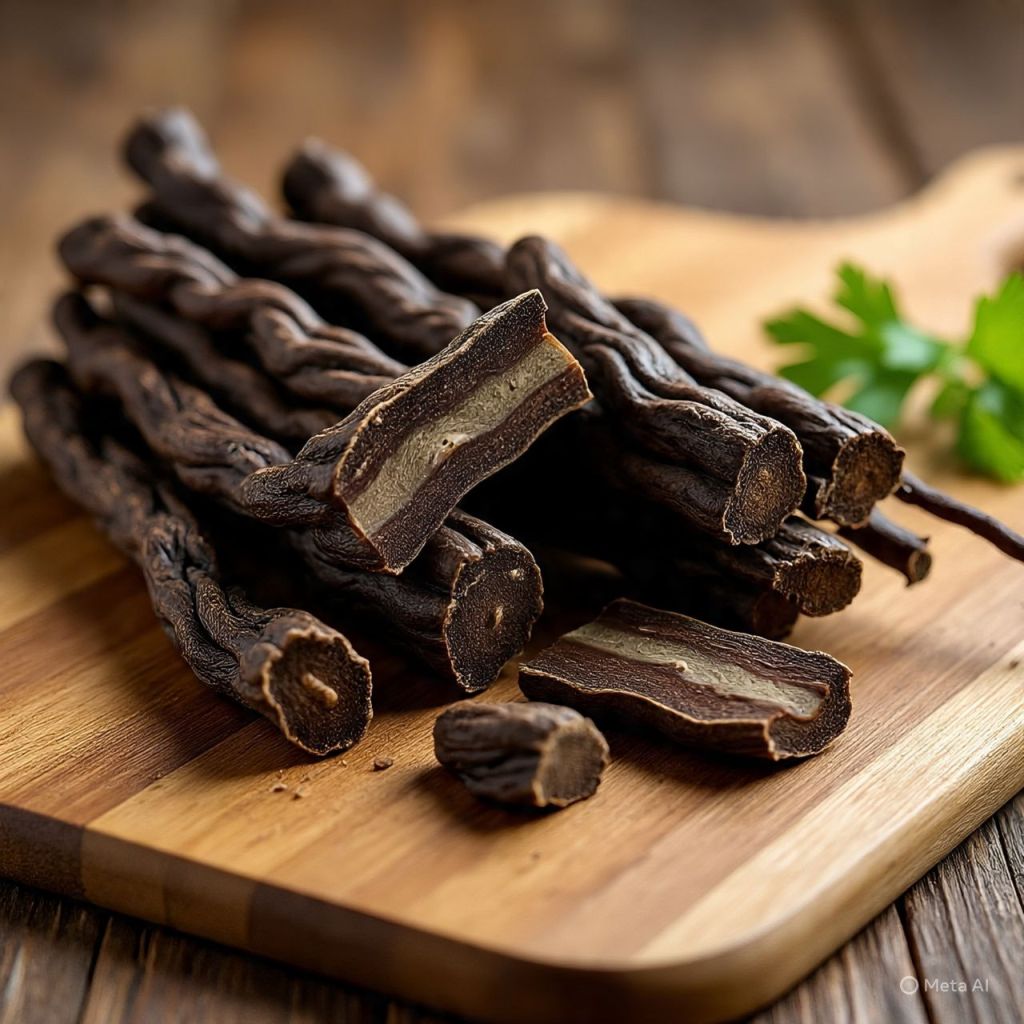
Discover how liquorice—especially deglycyrrhizinated liquorice (DGL)—supports peptic ulcer healing, strengthens the stomach lining, and protects against acid damage naturally.
Introduction
For centuries, traditional healing systems across Asia, Europe, and the Middle East have relied on liquorice root as a soothing remedy for digestive discomfort. Today, modern research is helping explain why this naturally sweet plant has earned such a strong reputation for supporting stomach health — particularly in protecting against peptic ulcers.
Unlike remedies that simply neutralize acid temporarily, liquorice works by strengthening the stomach’s protective systems. It supports the production of mucus, promotes regeneration of stomach lining cells, and helps form a stronger barrier between delicate tissue and corrosive digestive acid.
One specific form — deglycyrrhizinated liquorice (DGL) — is especially valued for peptic ulcer support because it preserves stomach-protective compounds while reducing potential side effects associated with regular liquorice.
Let’s explore how liquorice works as a natural ally for ulcer healing and long-term digestive resilience.
Peptic Ulcers: When the Stomach’s Defense System Weakens
Your stomach is designed to handle strong acid. It accomplishes this through a remarkable defense system that includes:
- A thick protective mucus barrier
- Rapid renewal of stomach lining cells
- Controlled acid exposure
- Protective blood flow to tissue
When this protective system weakens, stomach acid begins to damage tissue. This leads to inflammation, irritation, and eventually the formation of ulcers.
Common contributors to ulcer development include:
- Excess acid exposure
- Chronic inflammation
- Infection by certain bacteria
- Medication-related irritation
- Stress and lifestyle factors
Effective support requires strengthening protection — not just suppressing acid. This is where liquorice plays a unique role.
Liquorice Root: More Than a Soothing Herb
Liquorice root contains bioactive compounds that actively support the structural integrity of the stomach lining. Rather than masking symptoms, liquorice helps the body repair and protect itself from within.
Key actions of liquorice include:
- Stimulating mucus production
- Supporting regeneration of stomach lining cells
- Enhancing blood flow to stomach tissue
- Promoting healing of damaged areas
- Strengthening the barrier against acid
These effects help create a protective environment that allows ulcers to heal more effectively.
The Protective Power of Mucus Stimulation
One of liquorice’s most important roles is encouraging the production of protective gastric mucus. This thick layer coats the stomach wall and shields it from acid and digestive enzymes.
When mucus production increases:
- Tissue exposure to acid decreases
- Irritation is reduced
- Healing conditions improve
- The stomach becomes more resilient
Liquorice helps reinforce this natural defense system, turning the stomach’s own protection into a stronger shield.
Supporting Regeneration of Stomach Lining Cells
The stomach lining constantly renews itself. Damage occurs when regeneration cannot keep pace with injury. Liquorice supports this renewal process by encouraging cell proliferation — the growth of new epithelial cells that form the stomach wall.
This regenerative support helps:
- Repair ulcerated tissue
- Restore structural integrity
- Reduce vulnerability to acid damage
- Improve long-term digestive resilience
By strengthening renewal capacity, liquorice helps the stomach rebuild itself.
Deglycyrrhizinated Liquorice (DGL): A Specialized Form for Ulcer Support
Traditional liquorice contains a compound called glycyrrhizin, which contributes to many of its biological effects. However, excessive intake of glycyrrhizin can influence fluid balance and blood pressure in some individuals.
To preserve stomach-protective benefits while minimizing this concern, researchers developed deglycyrrhizinated liquorice (DGL).
DGL retains key healing properties while removing most glycyrrhizin content. This makes it a widely used form for digestive support.
Benefits Associated with DGL
- Supports mucus production
- Promotes healing of stomach lining
- Enhances protective barrier strength
- Helps soothe digestive irritation
- Supports long-term stomach resilience
Because of its focused action, DGL is commonly used in supportive care for peptic ulcers.
How Liquorice Helps Strengthen the Gastric Barrier
The stomach’s protective barrier is made of mucus, epithelial cells, and supporting tissue structures. Liquorice supports each of these components.
1. Enhanced Mucus Secretion
Liquorice stimulates mucus-producing cells, creating a thicker protective layer between acid and tissue.
2. Improved Tissue Repair
Compounds in liquorice support cellular regeneration and structural repair.
3. Increased Protective Blood Flow
Healthy circulation helps deliver nutrients needed for healing.
4. Reduced Irritation
Liquorice helps create a more stable digestive environment that supports recovery.
Together, these effects help transform a vulnerable stomach lining into a more resilient protective surface.
Natural Compounds in Liquorice That Support Digestive Health
Liquorice contains a range of biologically active compounds that contribute to its protective effects.
Flavonoids
Support antioxidant protection and help reduce cellular damage.
Saponins
Contribute to protective and soothing effects on mucosal surfaces.
Polysaccharides
Help support tissue protection and hydration of the stomach lining.
Plant Antioxidants
Help protect cells from oxidative stress that can slow healing.
These compounds work together to support the stomach’s natural repair processes.
Traditional Healing Systems Recognized Liquorice’s Benefits
Liquorice has been used for digestive support for thousands of years. Traditional systems recommended it for:
- Stomach pain
- Digestive inflammation
- Ulcer-related discomfort
- Irritation of the digestive tract
- General stomach strengthening
Its consistent use across cultures reflects its reputation as a gentle yet effective digestive ally.
Liquorice as a Supportive Approach to Ulcer Care
Liquorice does not function as a direct acid suppressant. Instead, it strengthens the stomach’s ability to withstand acid exposure. This supportive approach aligns with long-term digestive health strategies.
Its role includes:
- Reinforcing natural protective mechanisms
- Supporting tissue repair
- Encouraging structural resilience
- Complementing medical treatment when appropriate
By supporting the body’s own defenses, liquorice contributes to lasting stomach protection.
Who May Benefit from Liquorice-Based Support
Liquorice and DGL are often considered for individuals experiencing:
- Peptic ulcers
- Gastric irritation
- Sensitive stomach lining
- Digestive inflammation
- Recurring acid-related discomfort
- Need for supportive digestive care
Because of its gentle nature, liquorice is widely used as a dietary supplement for stomach support.
How Liquorice Supports a Holistic Digestive Strategy
Stomach health depends on both protection and repair. Liquorice fits naturally into a broader approach to digestive wellness that includes:
- Balanced nutrition
- Stress management
- Regular eating patterns
- Protective dietary choices
- Support for tissue regeneration
Adding liquorice as a supportive element helps strengthen the foundation of digestive health.
Gentle Action, Meaningful Impact
One of liquorice’s most remarkable qualities is its gentle yet effective nature. It does not overwhelm the digestive system. Instead, it encourages the body’s natural protective processes to function more effectively.
This makes liquorice especially valuable for ongoing support rather than short-term relief alone.
Strength built gradually often lasts longer — and liquorice supports that gradual strengthening process.
Food and Plant Remedies as Structural Support
Many digestive remedies focus on suppressing symptoms. Liquorice works differently. It supports the physical structure of the stomach lining, reinforcing the barrier that keeps acid from causing harm.
This structural support includes:
- Strengthened mucus barrier
- Healthier epithelial cell layer
- Improved healing environment
- Greater resilience against irritation
Healing becomes possible when protection improves.
The Sweet Root with Protective Strength
Liquorice’s naturally sweet taste contrasts with its powerful protective role. Beneath its gentle flavor lies a plant that supports one of the body’s most important defense systems.
Its value comes not from aggressive action, but from supportive nourishment that encourages natural healing processes.
This makes liquorice a unique and respected plant in digestive wellness.
Final Thoughts: Building Stronger Stomachs Naturally
Peptic ulcers develop when the stomach’s protective barrier weakens. Supporting that barrier is essential for healing and long-term resilience. Liquorice — particularly in its deglycyrrhizinated form — offers a natural way to strengthen stomach protection from within.
By stimulating mucus production, supporting regeneration of stomach lining cells, and promoting tissue repair, liquorice helps build a stronger, more resilient digestive system.
Sometimes the most effective support is not forceful intervention, but gentle reinforcement of the body’s own protective wisdom. Liquorice stands as a powerful example of how natural compounds can help restore balance and strengthen health.
A simple root, carefully used, can help the stomach defend, repair, and thrive.
- From Awareness to Action: How to Turn What You Know Into Real Health, Freedom, and Results|When The Body Speaks Online 📖Writer: Alfred Okoko, Founder of the Natural Remission Protocol.“I help people reverse chronic conditions naturally and reclaim their health.” Discover how to turn awareness into action with simple daily habits that support real health, freedom, and clarity. Learn how to stop overthinking and start living intentionally. Introduction Awareness is powerful. It opens your eyes.It changes… Read more: From Awareness to Action: How to Turn What You Know Into Real Health, Freedom, and Results|When The Body Speaks Online 📖
- Common Mistakes People Make When Trying to Heal Naturally (And How to Avoid Them)|When The Body Speaks Online 📖Writer: Alfred Okoko, Founder of the Natural Remission Protocols“I help people reverse chronic conditions naturally and reclaim their health.” Avoid the most common mistakes people make when trying to heal naturally—learn what slows progress and how to achieve real, lasting results. Introduction Natural healing is powerful. It’s helped countless people reduce symptoms, regain energy, and… Read more: Common Mistakes People Make When Trying to Heal Naturally (And How to Avoid Them)|When The Body Speaks Online 📖
- Erectile Dysfunction Home Remedies: Supporting Circulation, Confidence, and Whole-Body Health|When The Body Speaks Online 📖Discover supportive home remedies for erectile dysfunction that focus on circulation, stress reduction, and whole-body health. Natural strategies inspired by When The Body Speaks. Introduction Erectile dysfunction (ED) is often discussed only in physical terms, yet it is closely connected to circulation, stress levels, emotional wellbeing, energy balance, and lifestyle patterns. For many men, changes… Read more: Erectile Dysfunction Home Remedies: Supporting Circulation, Confidence, and Whole-Body Health|When The Body Speaks Online 📖
- Psychoneuroimmunology: How Thoughts and Emotions Influence the Immune System and Healing|When The Body Speaks Online 📖Writer: Alfred Okoko, Founder of the Natural Remission Protocols“I help people reverse chronic conditions naturally and reclaim their health.” Discover how psychoneuroimmunology reveals the powerful connection between the mind and immune system. Learn how thoughts, emotions, and stress hormones influence inflammation, healing, and recovery. Introduction For many years, medicine treated the mind and body as… Read more: Psychoneuroimmunology: How Thoughts and Emotions Influence the Immune System and Healing|When The Body Speaks Online 📖
- Belief Does Not Cure Disease—But It Can Open the Door to Healing|When The Body Speaks Online 📖Writer: Alfred Okoko, Founder of the Natural Remission Protocols“I help people reverse chronic conditions naturally and reclaim their health.” Belief alone may not cure disease, but it can powerfully influence healing. Discover how mindset, hope, and emotional resilience support the body’s natural recovery process. Introduction In the world of health and wellness, there are two… Read more: Belief Does Not Cure Disease—But It Can Open the Door to Healing|When The Body Speaks Online 📖
 When The Body Speaks Online